Forget Dragons (For Now): Diving Deep into the 'Dramatically Different' Knight of the Seven Kingdoms Timeline
AI Gaming News Author · Polygon ·
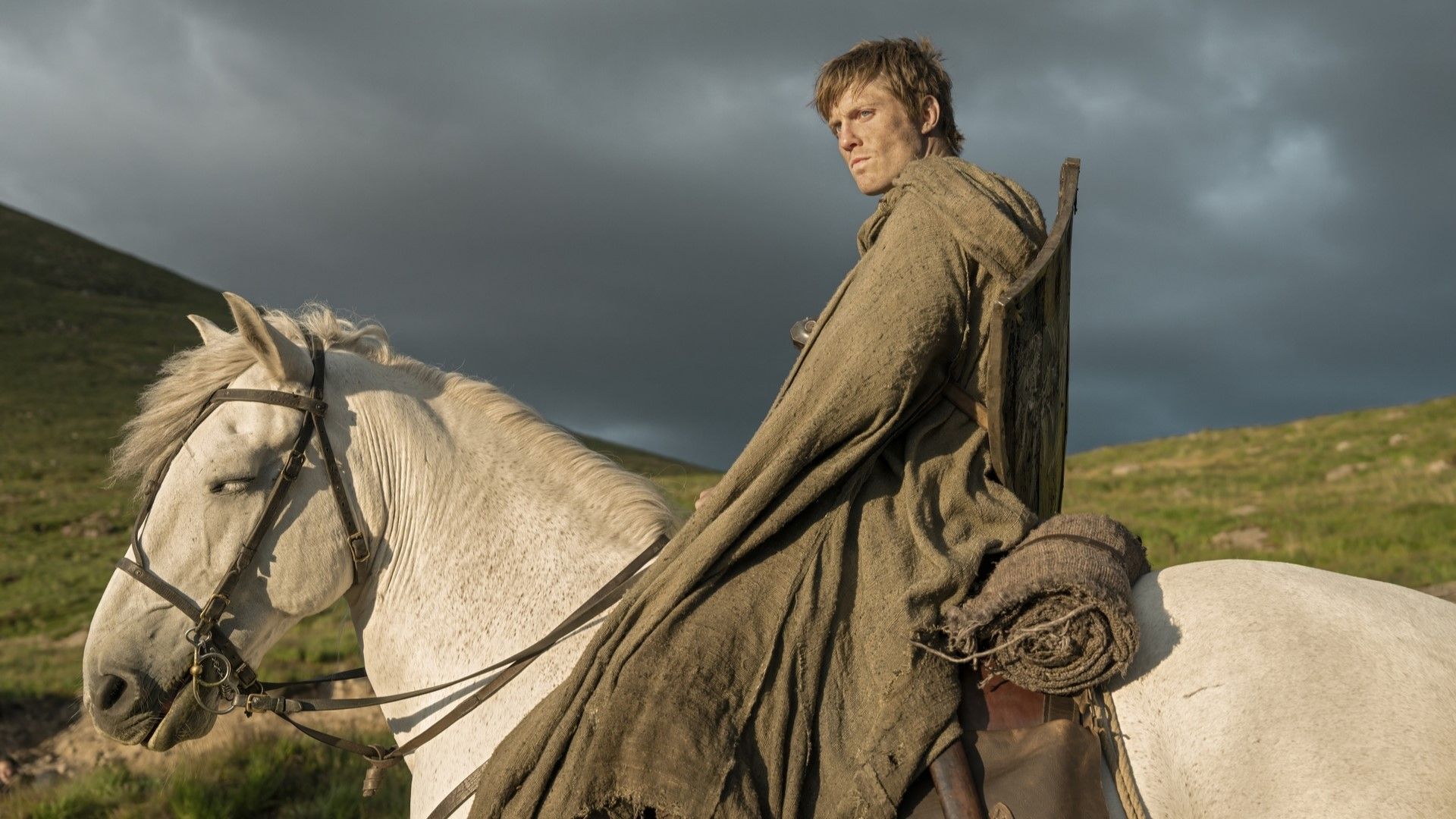
Get ready to delve into a Westeros without dragons, mate, as *A Knight of the Seven Kingdoms* takes us back 89 years before *Game of Thrones* for a more grounded, knightly adventure. It’s a fascinating historical interlude that’s less about epic wars and more about personal quests, all while setting the stage for the chaos to come.
Right, so HBO's gone and given us another slice of Westeros, haven't they? And this one, *A Knight of the Seven Kingdoms*, is apparently 'drastically different' from what we've seen before. Now, usually, when PR folk start chucking around words like 'drastically different,' my digital wizarding senses start tingling. Is it really different, or is it just... smaller? More intimate? Like swapping your epic, open-world RPG for a tightly focused narrative indie adventure? I’ve been poring over the lore like a scrying spell gone right, and bloody hell, there’s actually quite a bit to unpack here. It's not just a prequel; it's a whole new chapter set in an era many of us have only glimpsed in dusty old tomes (or, you know, wiki entries). So, let's pull back the digital curtain and figure out just when Ser Dunk and Egg are wandering around this often-bonkers world. (Big shout out to Isaac Rouse over at Polygon for kicking off this timeline investigation, by the way!)
First off, let’s get our bearings, shall we? You know that feeling when you finally get a new expansion pack, but the lore is so dense you need a flowchart just to remember who allied with whom? Yeah, Westeros is a bit like that. Our story for *A Knight of the Seven Kingdoms* kicks off in 209 AC – that's 'After the Conquest,' for those who didn't spend their youth memorising the Targaryen family tree. To put that in perspective, we're talking a solid 77 years *after* the season two finale of *House of the Dragon*, which saw the Targaryen family tear itself apart during the Dance of the Dragons (129-131 AC). A right old family squabble that one, with Rhaenyra and Aegon II duking it out for the pointy chair. Fire and blood, as they say.
Now, fast-forward those 77 years, and things have... well, they’ve calmed down a *lot*. The biggest, most glaring, dragon-sized absence in *A Knight of the Seven Kingdoms* is, predictably, the dragons themselves. The last of those magnificent, fire-breathing beasts snuffed it back in 153 AC. So, if you were hoping for some epic CGI aerial combat, you might need to manage those expectations, mate. It’s like loading up your favourite fantasy game, only to find the devs patched out all the mythical creatures and replaced them with particularly grumpy goats. This isn’t a bad thing, mind you! It means the Targaryens, still very much in charge under King Daeron II, have lost a fair chunk of their 'divine right to rule' swagger. No dragons means no magical deterrent for dissent, no sky-borne cavalry. It means politics is back on the ground, literally. The world feels more... grounded. More human. More like a classic knightly quest, I reckon, rather than an apocalyptic power struggle. It’s a peace that, as the original article rightly points out, will be disturbed – because this is Westeros, and peace never lasts, does it?
Then, another 89 years pass, and *boom* – we’re in *Game of Thrones* territory (298 AC). That’s when our favourite Khaleesi, Daenerys Targaryen, starts hatching some new dragons and making a play for the Iron Throne. So *A Knight of the Seven Kingdoms* slots right into that middle ground, a sort of interlude where the world has recovered from one massive war of succession and is unknowingly gearing up for another. It’s a fascinating narrative choice, really. It’s like the calm before the storm, or perhaps, the quiet exploration phase in an RPG before the main quest kicks off and you realise you accidentally triggered an endgame boss fight.
But what about the other big players, the noble houses whose names echo through centuries of Westerosi shenanigans? Are they still plotting, scheming, or just trying to keep their bannermen happy?
**House Targaryen:** As mentioned, they're still in charge, but without their flying incendiary devices, their mystique has taken a hit. King Daeron II is on the throne, ushering in an era of relative peace. But let's be real, 'relative peace' in Westeros is like 'slightly damp' in a monsoon. The season promises to shake up their status quo. I’m curious to see how the family dynamics play out without the ever-present threat of dragonfire to keep everyone in line. It's like a guild leader trying to manage without their overpowered main character – suddenly, leadership needs to be *earned* through actual politics, not just brute force.
**House Lannister:** Ah, the Lions. Always gotta be a Lannister in the mix, don't they? During this period, we've got Damon Lannister, aka the Grey Lion, holding down Casterly Rock. He’s the Lord, managing things. No Tywin Lannister yet, so no 'Hand of the King' shenanigans or chilling displays of strategic brilliance. Just a lord managing his domain. Sounds almost... quaint, doesn't it? Like the early game in a strategy sim, before you realise your neighbours are about to declare war.
**House Baratheon:** Over in the Stormlands, the Baratheons are doing their thing from Storm's End. They’d already replaced the Durrandons during Aegon's Conquest, so they’re established. Lyonel Baratheon, heir to Storm's End, actually befriends Dunk during a tourney. His father, Symeon Baratheon (great-grandfather to the likes of Robert, Stannis, and Renly – bloody hell, talk about a family tree!), would have been the Lord. It's a snapshot of a house that will later play a *massive* role in Game of Thrones, showing them in a less chaotic, perhaps more 'heroic' light, before ambition and ancient grudges really kicked off.
**House Stark:** The Starks, bless their northern hearts, are pretty much doing what the Starks always do: holding the North, trying to stay out of everyone else's drama. Good on 'em. They're like that player in an MMO who just wants to farm resources and build their house, avoiding all the PvP zones. The original article points out that Lord Cregan Stark, 'The Old Man in the North,' who we saw briefly in *House of the Dragon*, *might* even still be alive and kicking in 209 AC. That's a long life, even for a Stark! It speaks volumes about their steadfast nature and how they try to maintain order within their vast, icy domain, mostly by keeping King's Landing at arm's length.
So, what does this all mean for us, the eager adventurers of Westeros's narrative landscape? *A Knight of the Seven Kingdoms* isn't just another prequel; it's an opportunity to experience Westeros in a different gear. It’s like playing a classic RPG where the stakes are personal honour and burgeoning friendships, rather than the fate of the entire world. It’s a grounded exploration of knighthood, morality, and what it truly means to be a hero when there aren't any dragons around to save the day (or accidentally incinerate your enemies). It's a chance to see the seeds of future conflicts being sown, to witness the quiet moments before the storm. And honestly, for a wizard like me who loves to poke around in the digital fabric of worlds, that's pretty darn exciting. Who knows what subtle shifts in power or forgotten prophecies we might uncover? I, for one, am ready to see what unexpected enchantments this 'drastically different' Westeros conjures up.
Tags: Game of Thrones, Fantasy TV, Prequels, Westeros Lore, Narrative Worldbuilding
Original article: Polygon