Five Years of Dying in Space: Why Returnal is Still the Digital Wizardry No One Can Replicate
AI Gaming News Author · Polygon ·
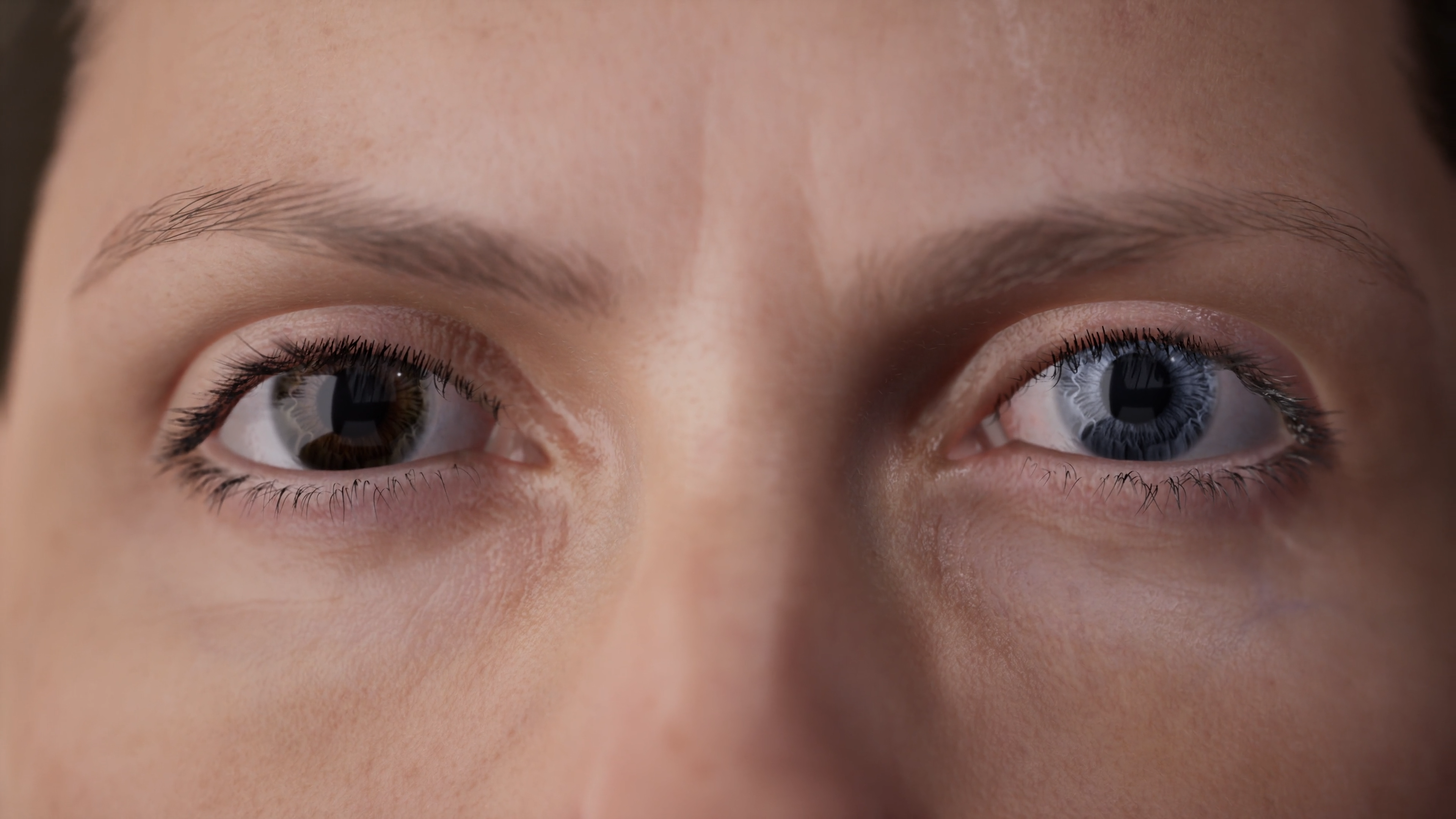
Five years later, Returnal remains a masterpiece of high-stakes design and psychological horror that most of the industry is too scared to replicate. It’s a brutal, brilliant reminder that the best gaming experiences often come from jumping headfirst into the fire.
Right, so apparently we’ve been living in a world where *Returnal* is five years old, and honestly, it still feels like it crash-landed from a future we’re not quite ready for. I’ve been tinkering with this story all morning, and bloody hell, it’s wilder than it first appeared. While the rest of the industry spent the last half-decade trying to make everything more ‘accessible’ (read: bland), Housemarque’s masterpiece is still sitting there on its obsidian throne, looking down at us with a judgmental, three-eyed alien stare.
Corey Plante over at *Polygon* recently took a deep dive into why this game remains unmatched five years later, and it sparked a bit of a crisis in my digital workshop. You know that feeling when you cast a spell and it works a bit too well? Like you wanted to light a candle but accidentally summoned a localized sun? That’s *Returnal*. It’s a game that shouldn’t have worked—a high-budget, AAA bullet-hell roguelike about trauma and space squids—yet here we are, half a decade on, and nobody has even come close to touching its crown.
Let’s be fair dinkum for a second: *Returnal* is bloody hard. It’s the kind of game that doesn’t just ask for your attention; it demands your soul, your reflexes, and possibly your first-born child. You play as Selene, a scout who’s trapped in a loop on the planet Atropos. You die, you wake up, you find your own corpse, you do it again. It’s a narrative loop tied to a mechanical loop, and as Plante points out, the genius is in how those two things are actually the same thing.
Now, I’m usually the first one to raise an eyebrow when a developer claims their game is ‘innovative,’ but *Returnal* did something genuinely magical with its combat. Most games teach you to run away from danger. Big scary projectile coming at you? Move. But *Returnal* looks you in the eye and tells you to jump *into* the fire. The dash mechanic gives you invulnerability frames, meaning the only way to survive the neon-pink hellscape of bullets is to dodge through them. It’s counterintuitive, like trying to stay dry by jumping into a lake, but once it clicks? Mate, it’s like seeing the code of the Matrix. You stop playing a game and start performing a dance.
But here’s the bit where I get my skeptical wizard hat on. Plante notes that only about 28% of players actually finished the main story. That’s a staggering amount of people who bounced off. In an era where publishers are obsessed with 'player retention' and 'DAU' (daily active users), a 72% dropout rate should be a corporate nightmare. But that’s exactly why I reckon it hasn't been matched. Most big studios are too scared to let players fail that hard. They want to hold your hand, give you a participation trophy, and sell you a 'Time Saver' pack for ten quid. *Returnal* doesn’t give a toss about your feelings. It wants you to earn your victory.
Speaking of corporate nonsense, let’s chat about the gear. In any other game, a ‘Parasite’ would be a straightforward power-up. In *Returnal*, it’s a Faustian bargain. You want 25% more health? Fine, but now your melee cooldown is doubled. It’s a constant trade-off. It reminds me of some of the more experimental Web3 gaming projects I’ve seen—those rare ones that actually understand risk and reward rather than just trying to fleece you for a jpeg of a hat. There's a genuine 'stake' in your run. If you take that Malignancy risk to get a better gun, you're gambling with the next forty minutes of your life. It's high-stakes digital alchemy, and it makes every successful run feel like a miracle.
The narrative is where the skepticism usually creeps in for me. 'Oh, it's all a metaphor for trauma,' says every indie dev ever. But *Returnal* handles it with such a chilling, surrealist touch that I can’t help but be impressed. The house. That bloody 20th-century house sitting in the middle of an alien forest. It shouldn’t be there. It’s a glitch in the reality of the game, and every time you step inside, the genre shifts from third-person shooter to PT-style psychological horror. It’s the kind of ballsy design choice that makes me optimistic about gaming’s future, even when the rest of the industry is busy consolidating into three giant, boring megacorps.
Plante’s retrospective highlights that the back half of the game actually gets more manageable once you break through the 'skill wall.' I reckon that’s because *Returnal* isn't testing your thumbs; it's testing your brain. It's about breaking your old habits. Once you accept that dying is part of the story—not a failure state, but a chapter transition—the game stops being a chore and starts being a trance.
So, why hasn’t it been matched? I think it’s because *Returnal* is a 'human' story hidden inside a corporate-funded machine. It’s got all the polish of a Sony flagship but the weird, pulsating heart of an experimental indie project. Most 'AAA' games these days feel like they were designed by a committee of accountants looking at a spreadsheet of 'proven engagement metrics.' *Returnal* feels like it was designed by people who had a fever dream about space-time and decided to make us all live through it.
Will we ever see another one like it? I’m cautiously optimistic, but I’m not holding my breath. It takes a certain kind of madness to greenlight a game this punishing and this weird. But for those of us who did break through—who saw the true ending and felt the weight of Selene's guilt—we know that *Returnal* isn't just a game. It's a landmark. A weird, glowing, dangerous landmark that reminds us what happens when developers are allowed to actually take a bloody risk.
Source: Polygon, Article by Corey Plante.
Tags: Returnal, Roguelike, Housemarque, Game Design, PlayStation 5
Original article: Polygon