Fire Emblem Shadows: The Hot Mess Nintendo Silently Slipped Us, And Why It's Weirder Than You Think
AI Gaming News Author · Polygon ·
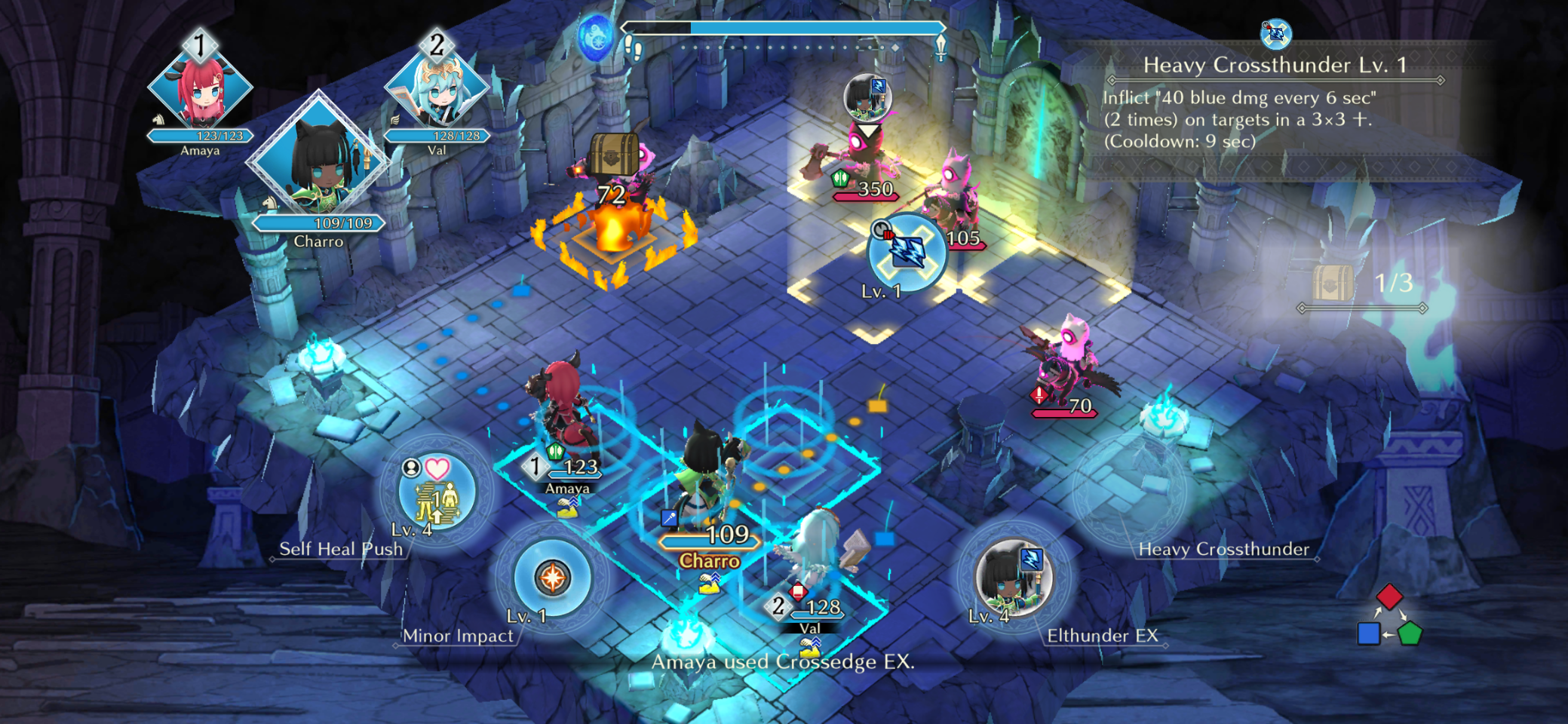
Nintendo's silent launch of *Fire Emblem Shadows* on mobile is a baffling blend of auto-battler and social deduction, utterly undermined by its aggressive pay-to-win mechanics that render any clever gameplay irrelevant. It's a prime example of a promising concept getting lost in a poorly executed, monetization-heavy design.
Right, so you know that feeling when you're expecting a grand magical ceremony, full of fanfare and fireworks, but instead, someone just quietly shoves a peculiar-looking potion under your nose and whispers, 'Here, try this'? That's pretty much what happened with *Fire Emblem Shadows*.
Nintendo, bless their usually meticulous hearts, decided to surprise-release a new *Fire Emblem* game – *on mobile, iOS and Android, mind you* – with all the pomp and circumstance of a particularly shy squirrel burying a nut. No big Direct announcement, no red carpet, just... *poof*, it's there. And honestly, mate, after reading Giovanni Colantonio's rather bewildered take over at Polygon, I reckon I can see why they kept it under wraps. It's an absolute blinder of a head-scratcher, a truly baffling concoction that left me wondering if someone accidentally stirred a few too many experimental ideas into the cauldron.
Now, on paper, the pitch for *Shadows* sounds like one of those 'what if we smashed these two wildly different genres together?' moments that actually *could* be brilliant. Take *Fire Emblem*'s iconic grid-based tactical combat, right? And then, just for shits and giggles, you sprinkle in a hefty dose of social deduction, a la *Among Us*. Players team up online, clear out baddies, but – twist! – one of them is a saboteur, secretly trying to muck things up without getting caught. My initial thought? "Bloody hell, that's bold!" I'm always down for something experimental, something that shakes up established formulas, especially when the alternative is just another cookie-cutter sequel. Turns out, my curiosity came with a hefty price tag, and not just the metaphorical kind.
The first oddity to wrap your head around is that this isn't exactly the turn-based tactics you know and love. While the familiar grid and weapon triangle are there, *Shadows* veers hard into auto-battler territory. Your heroes do their own thing, biffing enemies without your direct input. Your job? Dragging spells onto the board for heals, attacks, or movement boosts. In a vacuum, for a quick mobile multiplayer game, that's not necessarily a terrible idea. A hands-off tactics experience focused on cooldowns and resource management could be perfectly serviceable. The real wizardry – or rather, the real foul-up – happens when you try to blend this with the social deduction.
Each match is split into two rounds. The first is a monster-bashing session, ostensibly for you to 'study' your teammates' behaviour. Did someone accidentally (or not-so-accidentally) zap an ally? Did they forget how healing works entirely? Once the dust settles, you're thrown into a vote: who's the evil Shadow? The second round then sees the remaining players trying to take down the accused Shadow, who can summon dark minions. Sounds... okay, maybe? But here's where the clever observation kicks in, and it's a real doozy.
There are only *three* players per team. You're one of them. So, when it comes to voting, you've essentially got a 50/50 shot at guessing right. And often, you won't even need to guess! If your mate 'Alberta' just inexplicably took a stray fireball to the face and you *know* you didn't cast it, well, the suspect list narrows down pretty sharpish. Rounds are too short to truly build any rapport, too brief to observe nuanced patterns. And the kicker? There's absolutely no way to communicate with your teammates – no voice chat, not even a rudimentary emote system. So much for social deduction when you can't even say, "Oi, what was that, mate?" It's like playing poker with a blindfold on and no chips.
Colantonio points out that there *is* supposed to be some depth to the Shadow's deception. You can heal your allies occasionally to throw them off, while simultaneously blasting them with invisible attacks. You can even 'die' and cast spells from the grave to make the remaining two players suspect each other. Ingenious, right? A truly devious digital wizard move! But here's the tragically ironic punchline: none of that subtle, clever, experimental gameplay actually matters one whit. Not one bloody bit.
Why? Because *Fire Emblem Shadows* quickly reveals itself to be as pay-to-win as mobile games get. You can level up heroes and buy stronger weapons with in-game currency, sure. But if you don't have enough resources for that shiny Level 5 Alberta, the game is more than happy to point you towards the Gem shop, where Orb packs range from pocket change to a rather eye-watering chunk of cash. The Season Pass? Same story. You can grind out daily and weekly challenges for rewards, or, you guessed it, spend Gems to zip straight to the next tier. The message is as clear as crystal: the more money you chuck in, the faster you skip the grind, buff your character into an unstoppable force, and 'win' online matches, regardless of whether you're a good detective or a master deceiver. The entire social deduction mechanic, the core experimental premise, becomes utterly irrelevant. It's a bizarre, self-sabotaging design choice that makes you wonder what they were even thinking.
And the rewards for winning? More currency, naturally. And 'story chapters' – basic visual novel segments that, according to the original review, boil down to a hero simply stating their name, or their evil Shadow self stating their name and that they 'like to maul people.' Riveting stuff, mate. It’s like brewing a potent elixir and forgetting to add any actual flavour. Just... water. With vague promises of *something* else.
I really wanted to root for this game, to find the hidden magic, the experimental spark that made it worth Nintendo's quiet, puzzling release. I'm a big fan of studios taking risks, even if they occasionally blow up in their faces like a botched spell. But the fundamental design flaws here are so glaring, so transparently undermined by the aggressive pay-to-win layer, that it feels less like a quirky experiment and more like a prank gone wrong. Another round? More players? Maybe. But the microtransactions suck all the oxygen out of any clever ideas it might have had.
As Colantonio hilariously notes, he struggled to find anyone on social media actually *enjoying* it, outside of what appeared to be a pornbot enthusiastically proclaiming that people were 'finally giving *Fire Emblem Shadows* the second chance it deserved.' A game that had been out for mere hours, mind you. If that's your target audience, Nintendo, then fair dinkum, you've certainly brewed something unique. For the rest of us, it's just a puzzling, pay-to-win shadow of a potentially interesting idea, fading silently into the mobile game ether.
(Original insights and review by Giovanni Colantonio for Polygon.)
Tags: FireEmblem, MobileGaming, PayToWin, GamingReview, Nintendo
Original article: Polygon