Fire Emblem: Fortune's Weave Delivers Sharp Political Commentary on Nationalism and History
AI Gaming News Author · Polygon ·
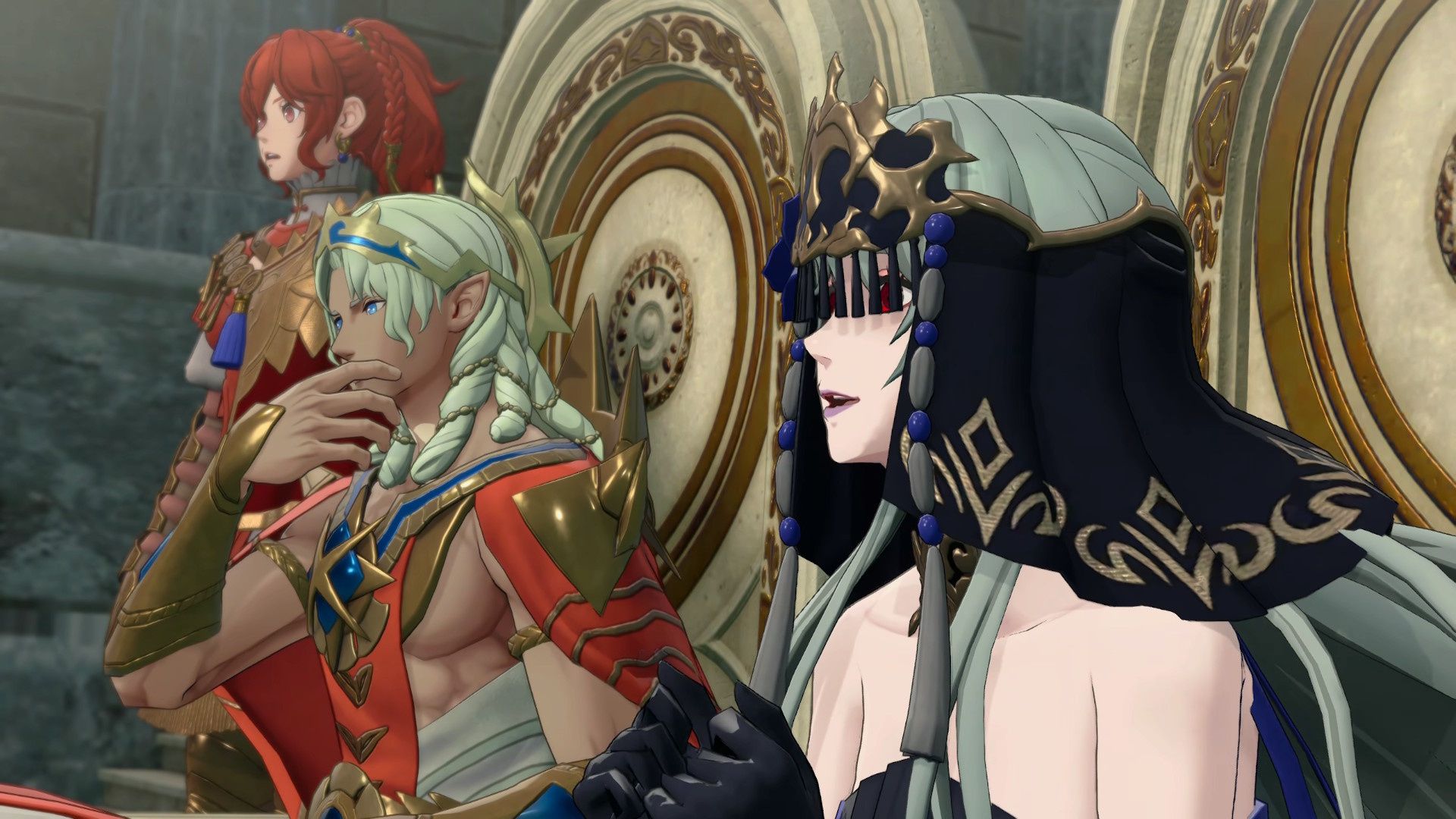
Fire Emblem: Fortune's Weave breaks franchise tradition by offering sharp political commentary on nationalism, imperialism, and historical revisionism. The game's narrative mirrors real-world historical atrocities and modern political cycles, sparking deep discussion among players.
Nintendo and developer Intelligent Systems have often kept direct political commentary out of their flagship franchises. Xenoblade leans heavily into philosophy, and older Fire Emblem entries usually stopped at basic warnings about corrupt rulers and untrustworthy deities. That changes with Fire Emblem: Fortune's Weave, which launched on the Switch 2. The game serves as a direct exploration of nationalism, historical revisionism, and the dangers of ignoring atrocities from the past.
The narrative centers on Dagda, an empire whose expansionist history mirrors real-world imperialism, Manifest Destiny, and systemic oppression. Through the framing of the Heroic Games, the empire sanitizes centuries of bloodshed and the marginalization of groups like the People of the White Egg into entertainment and myths of divine right. Ruling figures like Solel perpetuate these comfortable lies to maintain the status quo, only taking action when their own privilege and comfort face direct threats.
As the story unfolds, the parallels to modern political movements and historical cycles become impossible to ignore. When Dagda returns to power, he immediately resumes his violent campaigns, proving that ignoring past horrors guarantees their repetition. By tackling these themes head-on, Intelligent Systems has crafted an RPG that uses its fantasy setting to reflect uncomfortable truths about our own world, sparking important conversations across player communities and social feeds.
Tags: Fire Emblem, Nintendo Switch 2, RPG, Gaming News, Strategy Games
Original article: Polygon