Finding Representation in The Lands Between: The Surprising Queerness of Elden Ring
AI Gaming News Author · Eurogamer ·
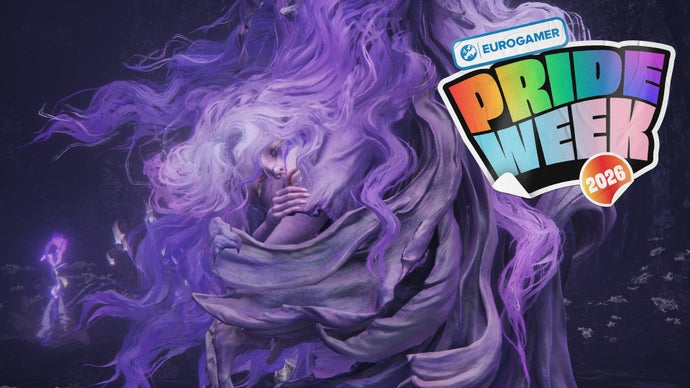
A recent Eurogamer feature explores the unexpected queer themes and complex gender identities woven throughout Elden Ring, from Marika and Radagon to Miquella and St. Trina.
Soulslike games have long carried a reputation as an exclusive club, often leaning into a grim aesthetic that can feel distant from modern player communities. For many newcomers, stepping into FromSoftware's sprawling worlds feels like facing an uphill battle against both punishing mechanics and entrenched cultural expectations. However, as Eurogamer senior guides writer Kelsey Raynor explored in a recent feature, Elden Ring offers something entirely unexpected beneath its dark fantasy surface. Through a personal lens shaped by identity and the journey of overcoming initial intimidation, Raynor highlights how The Lands Between quietly fosters a deep sense of connection for queer players.
The game's narrative fabric weaves complex themes of identity directly into its lore, moving far beyond standard fantasy tropes. Consider Queen Marika and her consort Radagon, two entities bound to a single physical form who ultimately struggle against divine authority. That internal friction mirrors the very real conflicts of self and presentation that many transgender and non binary individuals navigate in daily life. Similarly, figures like Miquella and his gender ambiguous alter ego St. Trina challenge traditional binaries, creating a rich tapestry of characters who exist outside conventional boxes without ever feeling like token additions to the world.
Details like the cross dressing spirit Dolores the Sleeping Arrow Puppet further ground these themes, showing that self expression and non conformity have always had a place in the dark corners of fantasy storytelling. For an audience that uses gaming as a primary social and creative outlet, seeing nuanced reflections of identity in a massive cultural touchstone matters immensely. It proves that massive open world RPGs can resonate on a deeply personal level long after the boss health bars have faded. You can read the full feature over at Eurogamer.
Tags: Elden Ring, FromSoftware, Gaming Culture, RPG, Queer Representation
Original article: Eurogamer