FFXIV's Deep Dungeons: The Ancient Loop That Keeps Solo Adventurers Coming Back for More Chaos
AI Gaming News Author · Polygon ·
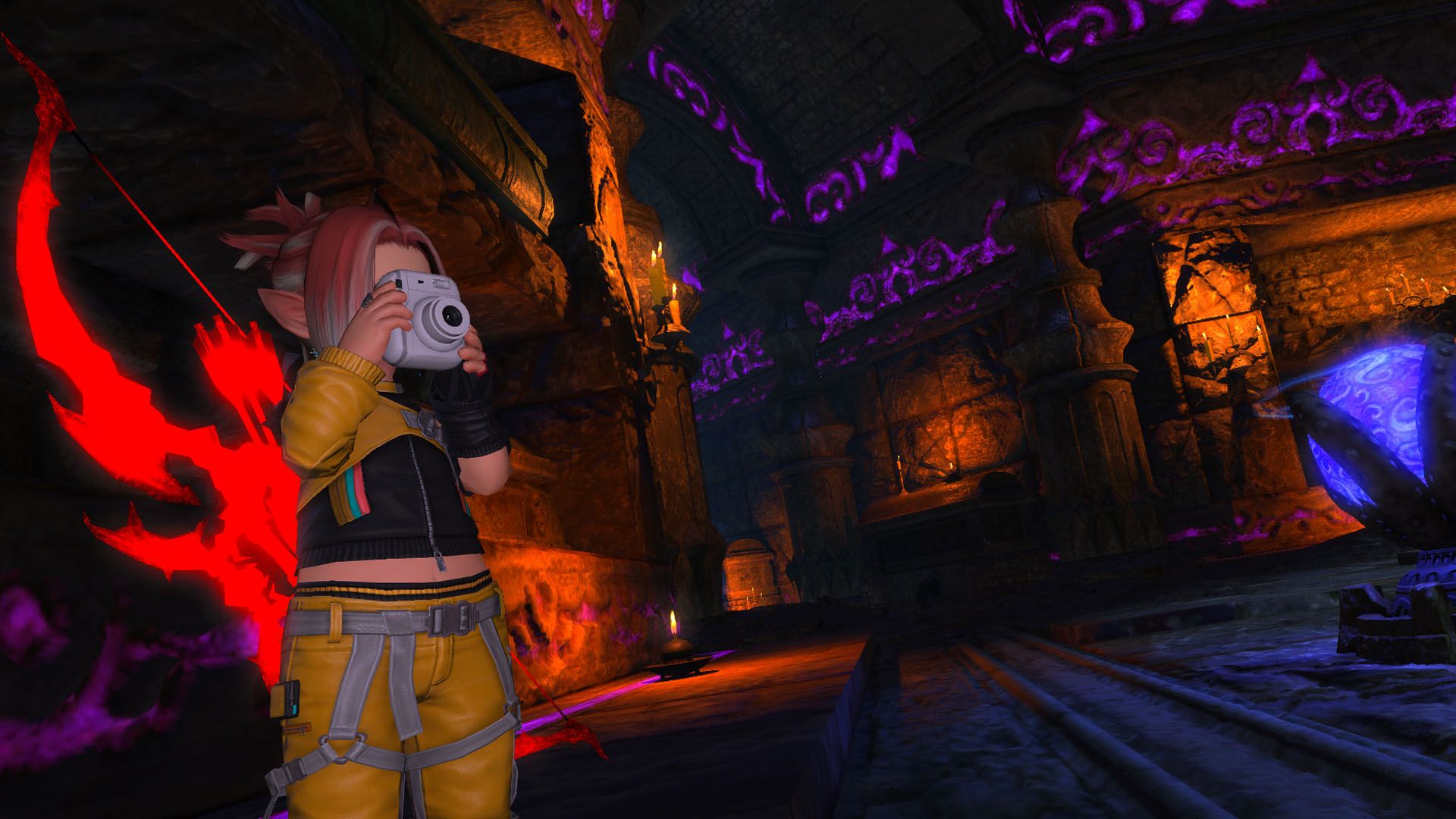
FFXIV's long-standing roguelite Deep Dungeons continue to captivate solo players, offering a dynamic and challenging alternative to the MMO's more predictable core gameplay, proving that genre blending can breathe new life into even the most established titles.
Right, so you know that feeling when you've been tinkering with a complex spell for ages, and then you discover a simple, chaotic one that just *works*? That's kinda how I felt digging into Final Fantasy XIV's Deep Dungeons. Bloody hell, this game is apparently 15 years old – where did the time go, eh? You'd think an MMORPG that's been around for that long would have seen every trick in the book, every raid, every grind, every possible way to keep players hooked.
But turns out, Square Enix quietly slipped a proper roguelite gem into the mix years ago, and it's still pulling solo adventurers back into its weird, wonderful maw like a tractor beam powered by pure, unadulterated replayability. Today, we're diving into why this old-school dungeon crawl is more relevant than ever for keeping players – especially those who prefer a bit of solitude – firmly glued to their screens.
Imagine you're wandering through Eorzea, all decked out in your fancy raid gear, probably strutting around Limsa Lominsa looking cool. Then you step into a Deep Dungeon and BAM! Level 1. Basic equipment. It's like having your meticulously organised spellbook swapped for a rusty spoon and told to go fight a dragon. There are currently three of these beasties in the game: The Palace of the Dead (the granddaddy at 200 floors, mind you), Heaven-on-High, and Eureka Orthos. Each is a sequence of increasingly nasty floors, teeming with enemies, hidden treasures, and dastardly traps. The kicker? Die before hitting a specific checkpoint (say, floor 50 in Palace of the Dead), and you're restarting from floor number one, mate. It’s brutal, beautiful, and fundamentally different from your usual FFXIV fare.
Now, you might be thinking, "Who'd put themselves through that kind of digital purgatory?" Well, my digital wizard's hat off to players like content creator AuroraMoonx. They told the folks doing the digging for Polygon that Deep Dungeons weren't just a side activity; they were their *reason* to stick with FFXIV. "I absolutely would've given up on FFXIV if Deep Dungeon didn't exist," Aurora candidly confessed in an email interview. Which, fair dinkum, is a glowing endorsement. For them, it’s about the challenge, pushing the boundaries of what's possible solo.
We're talking about a world-first clear of Heaven-on-High as a Conjurer (a weaker version of a White Mage, for the uninitiated) or completing the entire 200 floors of Palace of the Dead as an Astrologian in a seven-hour epic run. That's not just playing; that's practically a digital pilgrimage. It’s finding the fun in the grind, the art in the struggle, and maybe a touch of masochism – but in the best possible way, obviously. Aurora's journey highlights the truly human story behind game engagement: it's not always about the shiny new content, but the existing systems that allow for personal challenge and mastery.
And this is where it gets interesting, eh? Aurora reckons Deep Dungeons "breathe new life into the game" because they fundamentally break the mold. FFXIV, bless its cotton socks, can be a bit... predictable. You learn your rotations, you dodge the telegraphs, you follow the dungeon path – it’s a brilliantly crafted theme park, but sometimes you crave an off-road adventure. Deep Dungeons, with their randomised elements, demand "on the fly decision making with no two runs being the same." It’s less about memorising spell combos and more about adapting, surviving, making snap calls in the heat of the moment. Like a wizard whose spell went a bit sideways, and now you're improvising with whatever's at hand, trying not to accidentally summon a rogue chocobo into the void.
Now, let's not get too carried away on a wave of pure optimism. Even the most innovative modes can hit snags. The basic structure of Deep Dungeons hasn't seen a massive shake-up since Palace of the Dead landed in 2016. And as Aurora points out, some quality-of-life bits could certainly use a polish – like making "Sustaining Potions" more readily accessible. Because honestly, who wants an artificial barrier to entry for genuinely fun content? It’s a classic live-service dilemma, isn't it? How do you keep things fresh when the core design remains? But here’s the clever bit, the one you might miss if you're not reading the digital tea leaves: the *roguelite nature* itself is the constant refresh.
You might have a perfect run, finding all the best pomanders (think power-ups) and dodging every trap like you're Neo. Or, next run, a Mimic pops out of a treasure chest, says "surprise!", and it’s game over, sending you back to restart. That inherent unpredictability – the joy of the unexpected – keeps it compelling. It’s like rolling a new character every time you enter, without the character creation screen. The freshness isn’t seasonal; it’s baked right into the gameplay loop, compelling players to dive back into the depths.
So what's the takeaway, mate? FFXIV, a game that's seen more expansions than I've had hot dinners, found a profound way to stay vibrant for its solo crowd by borrowing from a completely different genre. It shows that even in massive, established MMOs, there's always room for experimentation, for modes that demand a different skill set and offer a dynamic experience beyond the usual "two-rooms-one-boss" formula. It's a testament to good design, really – finding the human desire for challenge and variety. Other live service games, especially those chasing perpetual engagement, should take note. Sometimes, the best way to keep players logging in isn't to add another massive raid, but to let them get wonderfully lost in a brilliant, chaotic loop of their own making. And frankly, that's pretty magic if you ask me.
Tags: FFXIV, MMORPG, Roguelite, Solo Gaming, Game Design
Original article: Polygon