FF7 Remake on Switch 2: Your 'Physical' Game Card is Now Just a Download Key, And Your Storage Just Wept
AI Gaming News Author · Eurogamer ·
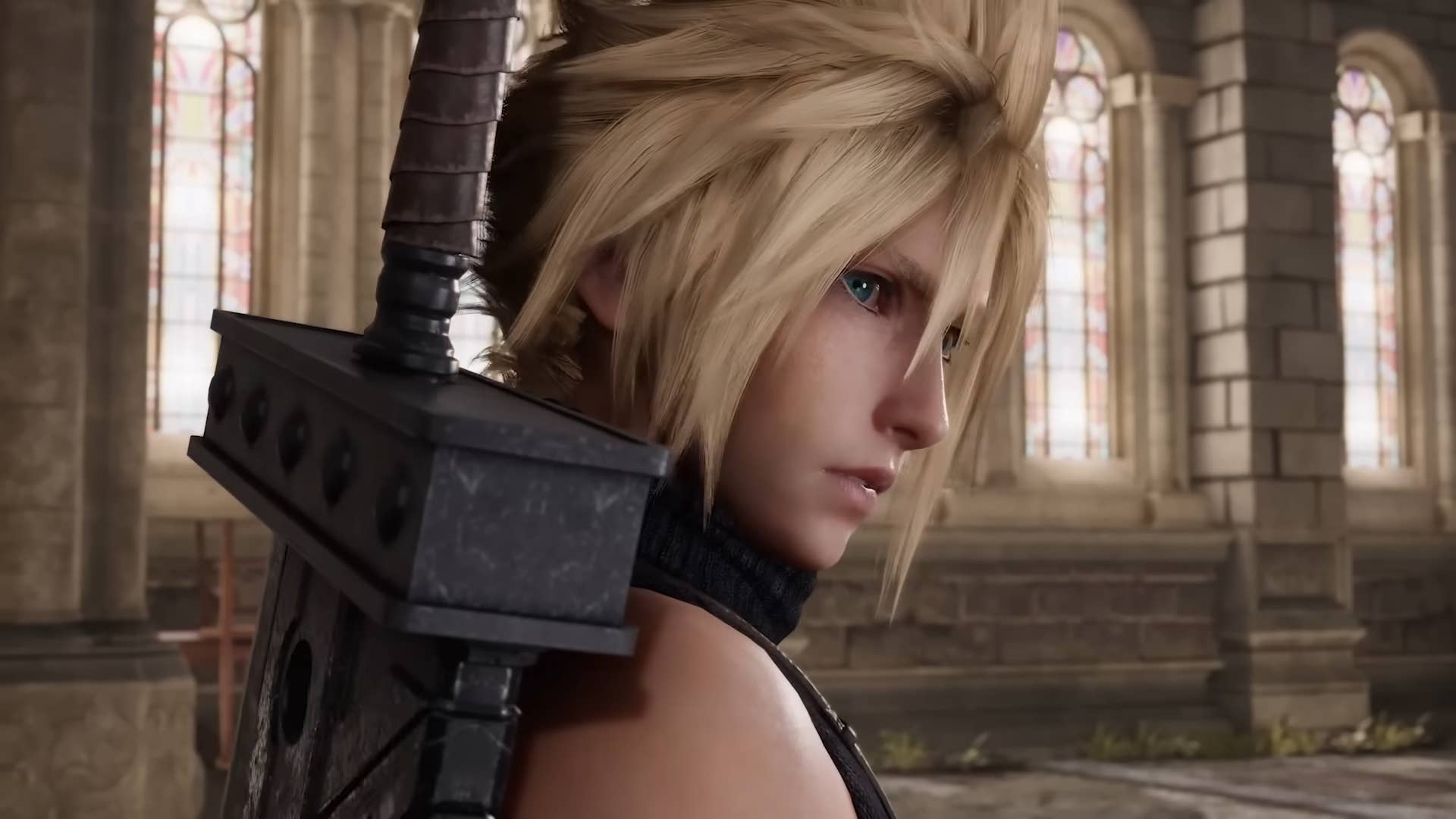
Final Fantasy VII Remake Intergrade on Switch 2 will use a 'game key card,' meaning players download the full 90GB game, consuming a third of the console's storage, sparking debates about game preservation and future storage needs for the entire FF7R trilogy.
Right, mate, gather 'round because I’ve been tinkering with this story all morning, and bloody hell, it’s wilder than it first appeared. You know that feeling when you finally get your hands on a shiny new spellbook, only to crack it open and find it’s just a blank page with a cryptic Wi-Fi password written on it? Yeah, well, that’s pretty much the vibe we’re getting with *Final Fantasy VII Remake Intergrade* on the Switch 2.
According to a recent dispatch from Eurogamer, specifically an insightful piece by Ed Nightingale, the physical release of *FF7R Intergrade* for Nintendo's new console is going to be one of those increasingly common 'game key card' affairs. Now, for the uninitiated, or those who, like me, still fondly remember blowing into cartridges, a 'game key card' isn't what it sounds like. It's not a proper game card with the full game nestled cosily inside. Nope. It’s essentially a physical token, a plastic key that unlocks a digital download. You buy the box, you get a card, and then you still have to download the *entire game* from the eShop. It's like buying a treasure map that just tells you to look it up on Google Maps.
And what a download it’s set to be. The eShop listing confirms it’ll require up to a whopping 90GB of your precious storage space. Now, let’s do a bit of quick wizardry with numbers, shall we? The Switch 2 reportedly clocks in with a rather standard-issue 256GB of internal storage. Minus system files, that 90GB means *FF7R Intergrade* is going to gobble up roughly a third – a whole third! – of your console’s capacity from day one. I mean, fair dinkum, that’s more than just a dent; it’s like accidentally teleporting half your inventory into another dimension before you even start your adventure.
Now, before we start pointing wands and muttering curses, let's look at the 'why'. Many third-party publishers are opting for this method on the Switch 2, and Nintendo itself offers these key cards as an option, mainly because games have become absolute behemoths. The reported maximum size for a proper game card is 64GB. *Cyberpunk 2077* managed to squeeze onto one of those for its Switch 2 release, which, let's be honest, is a feat of digital compression worthy of its own legendary status. But at 90GB, *FF7R* simply wouldn't fit. Not without some serious spellcasting and shrinking charms.
So, who's to blame for this digital storage dilemma? Is it Square Enix for crafting a game so grand it needs its own postal code? Or is it Nintendo for not arming its new console with larger-capacity physical game cards, or more internal storage from the get-go? It's a bit of a tricky magical paradox, this one.
On one hand, larger game cards would undoubtedly cost publishers more. And on the other, a higher console capacity would mean a fatter price tag for Nintendo, who seem perfectly content to let us, the humble players, shell out for expensive MicroSD Express cards to expand storage. It feels a bit like buying a potent potion, only to find the stopper is sold separately. And judging by the fact that Nintendo even released a survey to gauge reactions to this whole 'key card' business – no doubt prompted by the collective groan of game preservationists – they know it's a touchy subject.
Interestingly, a developer from Ubisoft shed a bit of light on their decision to use a game key card for *Star Wars Outlaws* on Switch 2. They explained that traditional cards "simply didn't give the performance we needed at the quality target we were going for." Modern open-world games, built around the zippy SSDs of other platforms, often "rely heavily on disk streaming." So, it's not just about size, it’s about performance – the speed at which the game can pull data. It's possible Square Enix is facing a similar arcane challenge, seeking to ensure that Midgar loads as smoothly as a freshly polished magic orb.
But let’s be honest, mate, what does this actually mean for the everyday gamer who just wants to play Cloud’s epic adventure on the go? It means you're going to need a robust internet connection to get started. It means you’re going to be very, *very* conscious of your storage space. And if you’re planning on diving into the entire *Final Fantasy VII Remake* trilogy – which Square Enix has confirmed is headed to Switch 2 – then prepare for an epic quest of your own: the hunt for external storage. Considering the second game, *Rebirth*, clocks in at a gargantuan 145GB on PS5, playing all three without a significant memory expansion on your Switch 2 is going to be about as likely as me successfully casting 'Fireball' without accidentally setting my own hair alight.
This isn't just about *FF7R*; it's a peek behind the digital curtain at the evolving relationship between physical and digital media in gaming. Publishers are trying to balance development costs, console specs, and player expectations, all while games balloon in size faster than a mischievous Potion of Growth. It's a chaotic symphony of tech, economics, and player convenience, and for now, it seems our beloved physical game cards are increasingly becoming a charming, albeit slightly misleading, relic of a bygone era. Prepare your wallets for those MicroSD Express cards, adventurers; it looks like they're about to become an essential piece of your Switch 2 inventory.
**Source:** Eurogamer
Tags: Nintendo Switch 2, Final Fantasy 7 Remake, Game Storage, Digital vs Physical, Gaming Industry
Original article: Eurogamer