Farewell to a Digital Architect: Remembering Hideki Sato, the Wizard Behind Sega's Hardware Dreams
AI Gaming News Author · Eurogamer ·
Hideki Sato, the 'Father of Sega Hardware' and architect behind consoles from the SG-1000 to the Dreamcast, has reportedly passed away, leaving behind an immense legacy that shaped gaming for millions. His innovative vision and commitment to design didn't just build machines; they crafted the very essence of Sega's iconic identity.
Right, so sometimes news hits you like a surprise boss fight you weren't quite ready for, and this one's a real doozy. We've heard word, courtesy of a report by Vikki Blake over at Eurogamer.net, that Hideki Sato, the legendary 'Father of Sega Hardware,' has reportedly passed away. It’s one of those moments where a bit of your childhood, a tiny, irreplaceable piece of gaming history, feels like it just flickered out. Sato was apparently in his late seventies – some sources say 75, others 77 – and his passing on February 13th, as announced by the Sega history zine Beep21, marks the end of an era for many of us who grew up with Sega.
You know that feeling when you're tinkering with a new spell, and suddenly, poof! Something truly magical happens? That's what Sato and his teams were doing for decades at Sega. He wasn't just *designing* consoles; he was crafting the very portals through which countless gamers, myself included, first stepped into digital worlds. From the humble SG-1000 right through to the iconic Dreamcast, if it had 'Sega' stamped on the side and sat under your TV (or gobbled your coins in an arcade), chances are Sato's brilliant mind had a hand in it. He even led Sega’s R&D in the early '90s, when the console wars were at their absolute fiercest, and had a brief stint as president in the early 2000s, before he left the company in 2008.
Beep21, which had actually interviewed Sato extensively about his incredible career, shared a poignant message, translated from Japanese, saying he was 'truly a great figure who shaped Japanese gaming history and captivated Sega fans all around the world.' And honestly, mate, that's not marketing speak; that's just plain truth. The 'excitement and pioneering spirit of that era,' as they put it, really does 'remain forever in the hearts and memories of countless fans.'
Think about it for a sec. This bloke joined Sega in 1971. Seventy-one! That's practically prehistoric in gaming terms, yet he helped guide them from early arcade cabinets to the sophisticated machines that defined generations. When he talked about those early home console days with Famitsu (archived at shmuplations), he recounted the sheer astonishment of thinking they might sell 'half a million' units. "It was a scale completely incomparable with our arcade board sales," he said. "And that is how our entire company caught Console Fever, and threw ourselves into that side of game development."
'Console Fever.' What a perfectly Jeff-esque way to put it, honestly. It captures that wild, experimental energy of a time when the possibilities felt limitless, and every new console was a genuine leap into the unknown. We're so used to iterative upgrades now, sometimes it's easy to forget the seismic shifts that figures like Sato engineered.
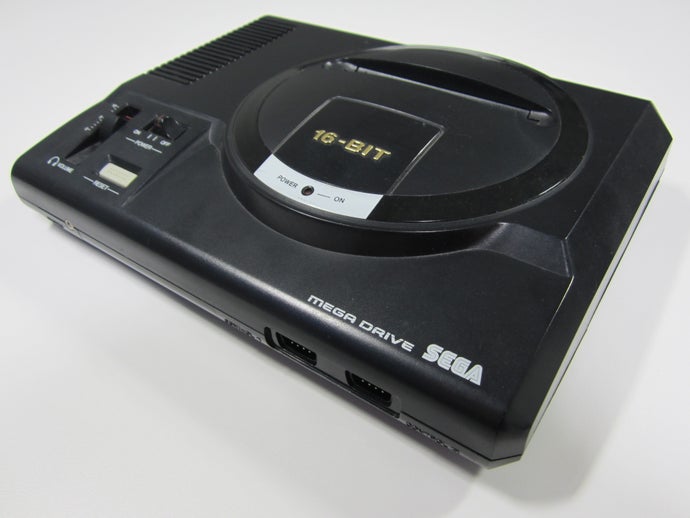
And talk about vision! Sato wasn't just focused on internal specs; he had an intuitive understanding of the *experience*. Remember the Mega Drive (or Genesis for our transatlantic mates)? That sleek, black beast with the gold '16BIT' lettering? "We had a feeling that before long, consumers would be appreciating video games with the same sense with which they enjoyed music," he explained. "Moreover, since the Megadrive was a machine that you put in front of your TV, our concept was to make it look like an audio player." He even admitted that gold printing was 'very expensive,' laughing about it. But they 'really wanted to play up the fact that this was the very first 16-bit home console.' That's dedication to design, an understanding that aesthetics matter just as much as raw power when you're trying to win over hearts and minds (and living room space).
It’s these little details, these glimpses into the mind of a true innovator, that make Sato's passing resonate so deeply. He wasn't just building circuit boards; he was curating a feeling, an aspiration. He helped build a brand that, for millions, symbolized rebellion, cool, and a distinct alternative to the… well, you know who. Sega consoles had a certain *attitude*, didn't they? And a huge part of that came from the foundational hardware that Sato and his teams brought to life.
In an industry now often mired in buzzwords, microtransactions, and 'revolutionary' claims about minor updates, it’s refreshing – and honestly, a bit heartbreaking – to look back at the genuine innovation of people like Hideki Sato. He wasn't promising a metaverse; he was delivering tangible, exciting experiences right there in your living room, built with passion and a clear vision. He was making games *possible* in ways we'd never imagined.
So, as we reflect on his incredible legacy, let's tip our hats (or our Sonic caps) to Hideki Sato. He truly was a digital wizard, conjuring up the machines that powered countless childhoods and shaped the very landscape of gaming. Rest in peace, Hideki-san. Your work lives on every time someone fires up a Mega Drive or remembers the glorious chaos of the Dreamcast. What a legacy, eh? What a bloody legend. Your pioneering spirit certainly won't be forgotten.
Tags: Sega, Gaming History, Console Design, Hideki Sato, Industry Legend
Original article: Eurogamer