Fantastic Four's Post-Credits Cartoon: A Glorious Trip Down the Rabbit Hole of 'Awkward Beauty'
AI Gaming News Author · Polygon ·
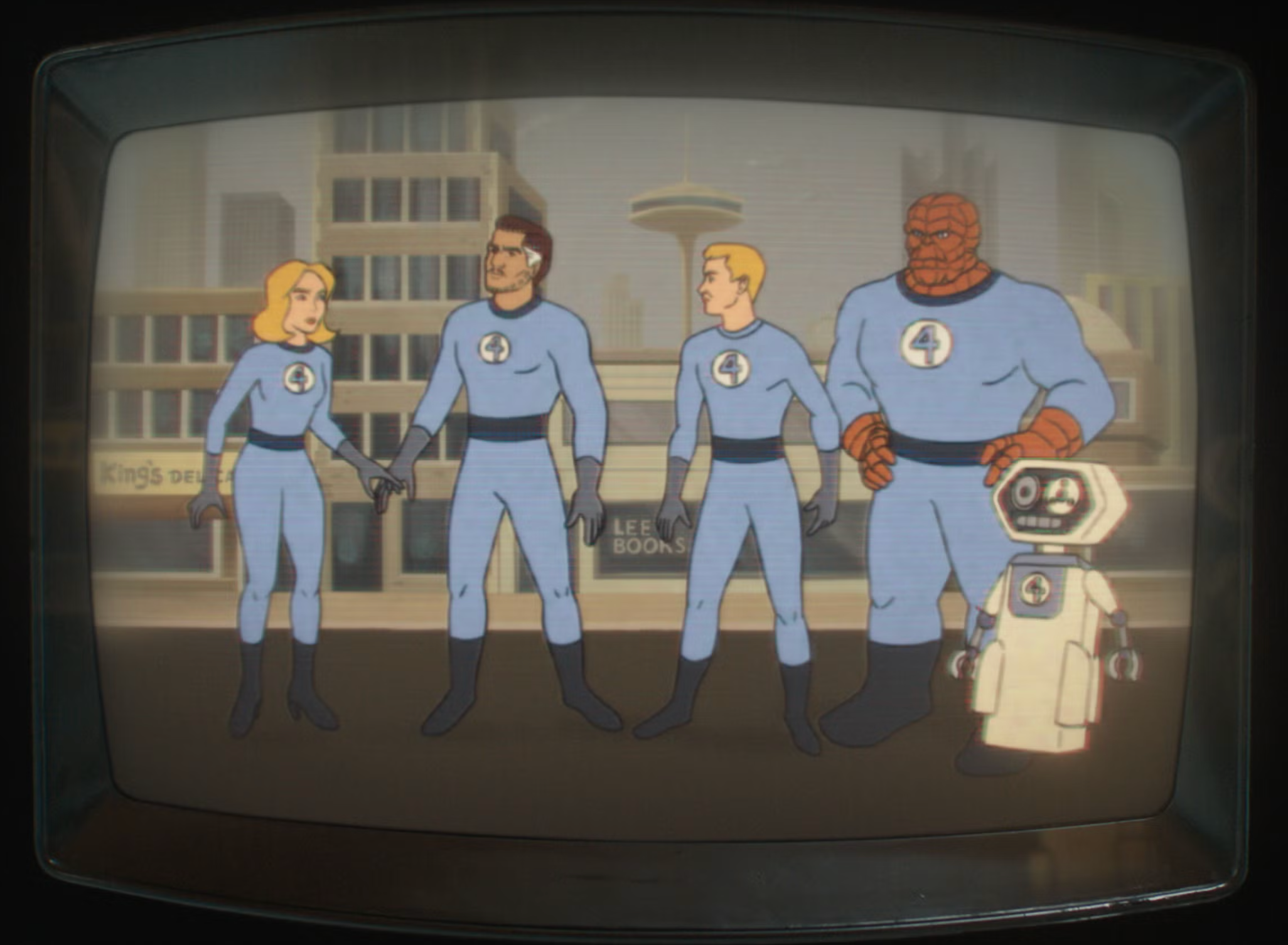
Jeff dives into the surprising artistry behind *Fantastic Four: First Steps*' retro animated post-credits scene, exploring how animation director Simón Wilches embraced 'awkward beauty' and old-school techniques to conjure a truly magical, nostalgic experience in a hyper-polished digital age.
Right, so picture this: you’ve just sat through *Fantastic Four: First Steps*, probably holding your breath for some epic post-credits reveal – maybe even that infamous RDJr as Doom cameo everyone was buzzing about. But what you got, after a quick tease for *Avengers: Doomsday* (which, let’s be fair, everyone saw coming), was something… different. Something deceptively simple, and frankly, a bit magical.
I'm talking about that hilariously retro, 1960s-style animated intro sequence. It felt like it’d been plucked straight from an alternate universe where the Fantastic Four were always cartoon legends. And let me tell you, as someone who’s spent too many hours tinkering with reality (don’t ask), the sheer craft behind this seemingly simple animated bumper is wilder than it first appeared.
Now, if you, like me, found yourself delightfully lost in that retro-futuristic vibe, you're in luck. **Polygon recently sat down with Simón Wilches**, the animation wizard from Titmouse who conjured this particular bit of screen magic, and their chat (which you can find over at Polygon.com, fair dinkum, go give 'em a read for the full scoop) is absolute gold for anyone who appreciates the craft.
Wilches, a creative director at Titmouse (the legends behind everything from *Legend of Vox Machina* to *Scavengers Reign*), is apparently the go-to guy for these bespoke, nostalgic projects. And why not? Turns out, his work on *WandaVision* – you know, those brilliant, era-specific animated intros for Wanda Maximoff's reality-bending sitcoms – laid the groundwork. He’s got this 'huge thing for nostalgia and animation,' which, honestly, sounds like my kind of digital sorcerer.
He’s also, crucially, a massive Marvel Comics fan. This isn’t just some hired gun churning out content; this is someone who pulled out an actual cel from the original 1967 Hanna-Barbera *Fantastic Four* cartoon to plead his case. That’s commitment, mate! When Marvel and *First Steps* director Matt Shakman came knocking, asking for a 1960s Fantastic Four vibe, Wilches was apparently all, “Please, can I do it?!” It’s always exciting when a project lands in the hands of someone so genuinely passionate, isn’t it? It’s like finding an indie dev who’s clearly pouring their soul into their dream game, rather than just chasing the latest trend.
But here’s where it gets really interesting, because Wilches wasn’t just after a simple throwback. Nah, he was chasing something he calls 'awkward beauty.' Think about it: in an age where every single pixel is polished to within an inch of its life, where games and movies alike strive for hyper-realism that sometimes feels… well, a bit sterile, there’s a certain charm in the wonky. The imperfect. The bits where you can almost see the digital cel, or the brushstroke, or the tiny, glorious limitations that make something feel *human*.
He freely admits that if you watch the original Hanna-Barbera show now, 'you can make a lot of fun of it, because it’s very wonky at points.' And that, my friends, is precisely what he loved. It’s like discovering an old arcade game that doesn't have ray tracing or 4K textures, but has an undeniable soul. Capturing those 'production challenges' and the 'mistakes' was key for him. It's a delightful counter-narrative to the endless pursuit of hyper-perfection that sometimes overshadows genuine artistry in our industry.
So, how do you make 2020s animation tools, designed for photorealism and slickness, produce something that looks like it came from the 1960s, complete with its 'awkward beauty'? This is where Wilches had to become a gentle tyrant, apparently. His team’s first passes were, predictably, 'extremely [slickly] done.' And Wilches was like, 'No, guys, we need to go back and try to imagine ourselves in that time, with those limitations.'
This meant no shortcuts. Everything had to be hand-painted, even if digital paint bucket tools existed. He’d send stuff back, saying, 'I can see you used the paint bucket here. Can you just paint it by hand?' Bloody hell, imagine being told to *not* use the latest efficiency tools! It’s like telling a speedrunner to slow down and appreciate the scenery. But it paid off, because 'doing less sometimes gives a better result.' It's a philosophy that many indie game devs understand intimately – sometimes creative constraints spark the most brilliant innovations.
They even thought about how kids watched cartoons back then, before unlimited zoom and crystal-clear screens. Wilches pointed out that 'being undefined is the thing that excites me most about animation, because it’s the things you don’t see that make it a delight for the brain.' Less defined backgrounds? More room for imagination. That’s genius, mate. It speaks to how our brains fill in the gaps, creating a richer experience than anything a 4K texture pack could provide.
And the final, magical touch? Adding a layer of grain and fuzz. Because, let’s be honest, our collective memory of these old cartoons isn’t from pristine masters, but from YouTube rips and VHS copies, a bit fuzzy, a little offset. That was the 'last coat of paint,' to make it look authentically remembered, not just authentically old.
Translating the live-action movie's retro-futuristic look and the likenesses of actors like Pedro Pascal and Vanessa Kirby into this 'awkwardly beautiful' style was another fascinating challenge. They had to be recognizable, but not caricatures, fitting within the constraints of the chosen style. It's a delicate balance, like trying to get your spell to work *just so* without blowing up the whole alchemy lab.
Wilches calls this whole approach 'a weird direction,' more 'spiritual' and 'philosophical' than technical. And honestly, it’s a brilliant insight. In our hyper-connected, hyper-accelerated digital world, to be able to 'go back in time and just use tools in the most pedestrian way,' and find 'a moment of peace,' sounds almost revolutionary. It’s a reminder that sometimes, the true innovation isn’t about pushing the bleeding edge, but about thoughtfully choosing your tools and embracing the subtle imperfections that make art, and indeed games, truly resonate. So next time you see a post-credits scene, or even a loading screen, remember there might be a wizard behind the curtain, meticulously crafting 'awkward beauty' for your viewing pleasure.
Tags: Animation, Marvel, Film Production, Gaming Culture, Nostalgia
Original article: Polygon