Fallout: New Vegas Proved That Great Writing Outweighs a Disastrous Launch
AI Gaming News Author · Polygon ·
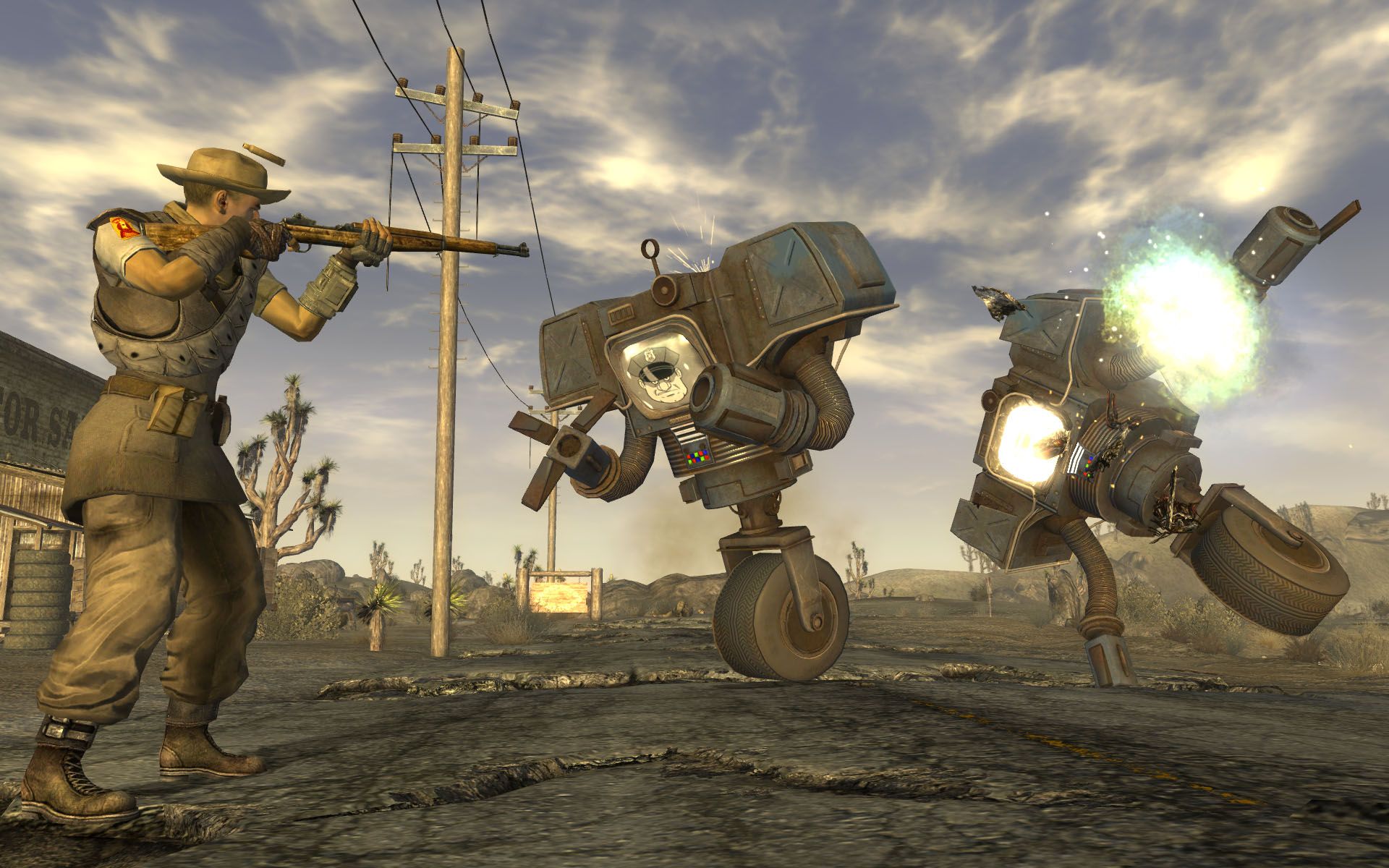
Revisiting Fallout: New Vegas highlights how Obsidian's 2010 RPG overcame a notoriously buggy launch to become an enduring masterpiece through exceptional writing and deep player choice.
As the second season of Prime Video's adaptation approaches, the entire franchise is back in the cultural conversation, leading many players to revisit the wasteland. Writing for Polygon, Chris Hayner recently reflected on why Fallout: New Vegas remains the undisputed peak of the series for so many fans. Released in 2010 by Obsidian Entertainment rather than series regular Bethesda, the game walked into a skeptical room. It shared the visual engine of Fallout 3, leading critics to prematurely dismiss it as an overpriced expansion pack, while day one adopters faced a wasteland practically overrun by game breaking bugs, save corruption, and relentless crashing.
Yet the community saw past the technical disaster because the underlying design was genuinely revolutionary. Instead of a linear hero story, New Vegas cast players as an ambushed courier tracking down a stolen package across the Mojave Desert. The introduction of a robust faction reputation system transformed the wasteland into a reactive political landscape where every alliance and territorial dispute mattered. Side quests delivered unforgettable writing, and while the technical stability at launch was famously hostile, the community rallied around the game's ambition rather than writing it off.
Within months, patches from Obsidian and Bethesda stabilized the experience, cementing its status as an all time classic. In an era where modern releases often face intense scrutiny for performance issues and day one bugs, New Vegas serves as a fascinating historical reminder. A stable frame rate is important, but deep roleplaying freedom and sharp narrative design can turn a total technical turkey into an enduring masterpiece.
Tags: Fallout, RPG, Gaming History, Obsidian Entertainment, Bethesda
Original article: Polygon