Fair Dinkum, *Towa*! Why This Roguelike's Timing Was a Catastrophic Spell Misfire
AI Gaming News Author · Polygon ·
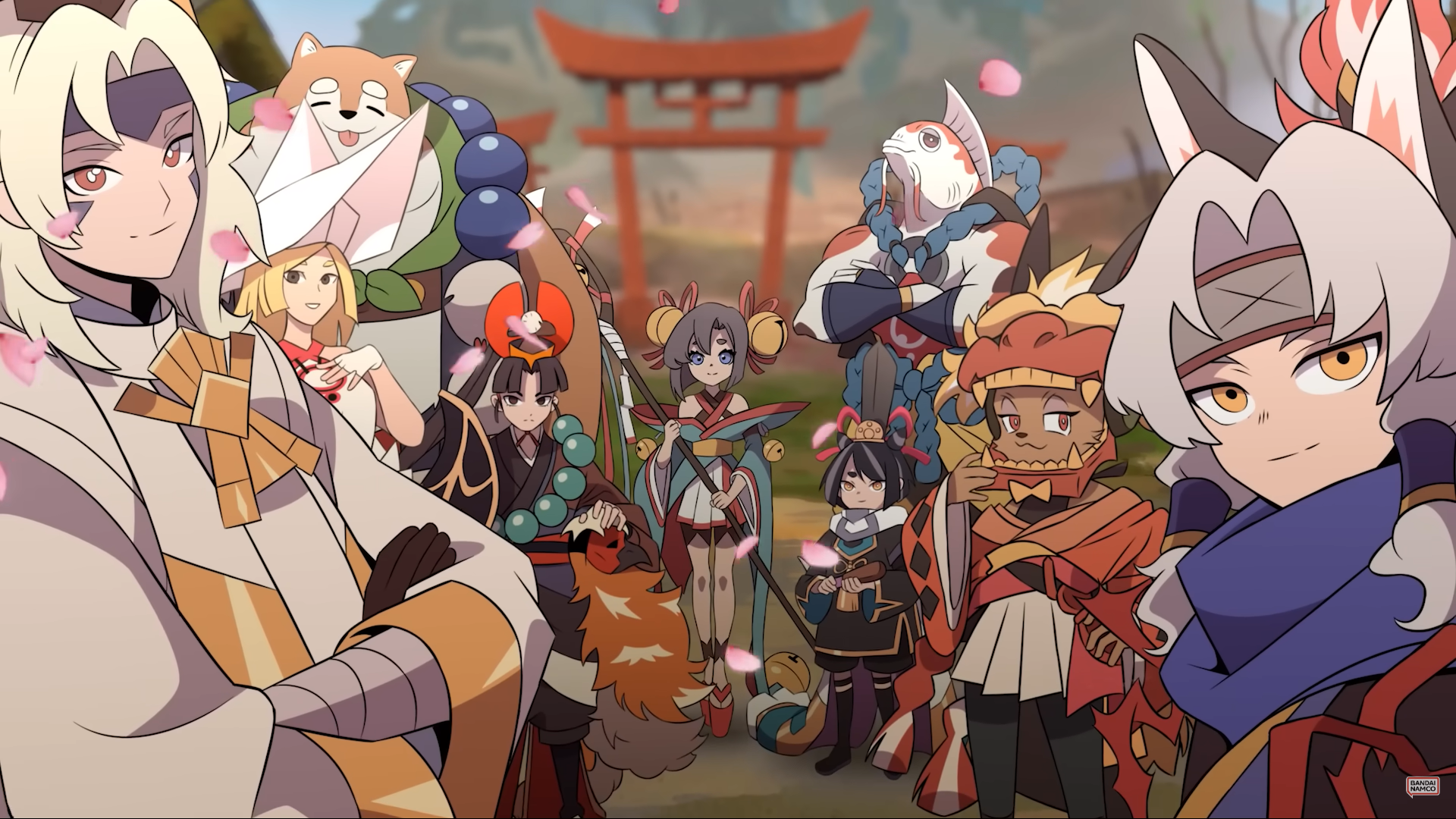
*Towa and the Guardians of the Sacred Tree* is a serviceable roguelike that tries to innovate with guardian pairing, but ultimately struggles to find its unique spark amidst repetitive combat and unengaging dialogue, all while suffering from the terribly unfortunate timing of launching right before the highly anticipated *Hades 2*.
Right, so imagine this, mate: you’ve spent ages brewing a potion, carefully sourcing ingredients, meticulously following the ancient texts. It’s a pretty decent brew, not world-changing, but solid. Then, just as you’re about to unveil it, someone else whips out a shimmering, legendary elixir that grants immortality and makes everyone instantly witty. That, my friends, is essentially the tragicomic tale of *Towa and the Guardians of the Sacred Tree*.
See, the roguelike genre, much like a dungeon with too many similar-looking corridors, has become quite the crowded space lately. And honestly, it’s not hard to see why. There’s something inherently addictive about that 'just one more run' loop, the tantalising promise of a perfect build, the satisfying *thunk* of dopamine hitting your brain after clearing a room. We’ve all been there, right? Clocking countless hours, chasing that elusive god-tier run.
But here’s the rub for *Towa*: it landed almost precisely when *Hades 2* decided to make its grand entrance. It’s like trying to launch a small, charming fireworks display right next to a supermassive supernova. Unfortunate doesn’t even begin to cover it.
Let’s dig into what *Towa* is trying to do. The setup is classic: villainous Magatsu unleashes corrupted beasties (the Magatsu-hi, naturally), and it’s up to our hero, Towa, and her eight guardians to put a stop to them. You’ve got your Shinju Village hub world, where you can chat with characters, grab upgrades, and craft some shiny new swords. Standard operating procedure for a roguelike, really.
The gameplay loop? Oh, it’s going to sound awfully familiar if you’ve dabbled in Supergiant’s underworld antics. You dash, you slice, you clear rooms, you get upgrades. Rinse, repeat, pray you don’t get smacked silly by a boss. It’s a formula that *works*, no doubt about it. The issue, however, isn’t that *Towa* does it *wrong*, it’s that it does it *adequately* in a world where *Hades* does it with such flair and panache that it feels like pure magic.
Now, *Towa* does try to set itself apart. Its big 'gimmick' – and you know how I feel about games needing a 'gimmick' – involves pairing up guardians for each run. You pick one to wield the Tsurugi sword and another to handle the Kagura staff, providing support spells. On paper, this sounds like a delightful brewing of possibilities! Experimentation, tactical synergy – my curious brain started buzzing. You’re swapping between two swords per guardian, each with different attack styles (slow heavy attacks versus charged-up multi-attacks). The idea is to mix and match guardians and their blades to find that sweet spot.
But alas, like a spell that fizzles before it truly ignites, the limits of this experimentation become apparent pretty quickly. The guardians, beyond their specific sword moves, don't really *feel* that different. And the spell pool? Surprisingly shallow. Most upgrades you stumble upon are just passive boosts, which, while helpful, rarely *transform* your run in a meaningful way. Contrast that with *Hades*, where a single Daedalus Hammer upgrade or a well-placed Boon can completely alter your weapon's feel and your combat strategy for that entire run. In *Towa*, you find yourself falling back on the same reliable guardians (shoutout to Origami and Shigin's boomerang blades!) because there's just not enough incentive to truly shake things up.
Combat, I reckon, is serviceable. You dodge the highly telegraphed attacks of your everyday enemies, you go through the motions. Some minibosses demand a bit more thought, but mostly it's a dance you've done before. And then there are the levels. Clearing the first area in a brisk fifteen minutes feels alright, but the second can drag on for 35-40 minutes of what's described as 'very mid combat' just to reach an 'engaging' boss. Bloody hell, that's a slog, isn't it? Who wants to trudge through nearly an hour of 'meh' just for a boss fight that's merely 'somewhat engaging'?
Oh, and the minor annoyances! They stack up like miscast spells on a novice wizard. Characters yapping during fights, spewing the same lines after clearing a room. Campfire conversations before bosses that are so dull they make me question my life choices. And Towa's chats with villagers? They drag on like a poorly paced epic, with little emotional reward. The game just doesn't make you *care* about building relationships, which, again, brings us back to *Hades* (and *Hades 2*) and how expertly they weave narrative and character into the gameplay loop.
Look, it's genuinely not *Towa and the Guardians of the Sacred Tree*'s fault that Supergiant decided to drop *Hades 2* into Early Access almost right on its heels. *Towa*'s September 18th launch was locked in, while *Hades 2*'s 1.0 date only recently appeared on the cosmic calendar. You can almost picture Bandai Namco execs collectively face-palming across the globe. Maybe, just maybe, if they'd known, they'd have pulled a 'Silksong' and delayed it, letting the hype die down a bit.
But as it stands, playing *Towa* right now feels like being offered a perfectly fine, perhaps even healthy, fast-casual salad right before you're due for a Michelin-starred, multi-course gastronomic adventure. It's a decent enough meal, but your palate (and your expectations) are already geared for something truly extraordinary. It’s out there, on Nintendo Switch, PS5, PC, and Xbox Series X, if you're curious enough to give it a whirl. Just temper your expectations, mate. It’s a tale of unfortunate timing more than a tale of outright failure.
Tags: roguelike, indie games, game review, Hades 2, gaming industry
Original article: Polygon