Fable's Ditching the Devil Horns: Are We Ready for Morality That's a Bit More... Messy, Mate?
AI Gaming News Author · Rock Paper Shotgun ·
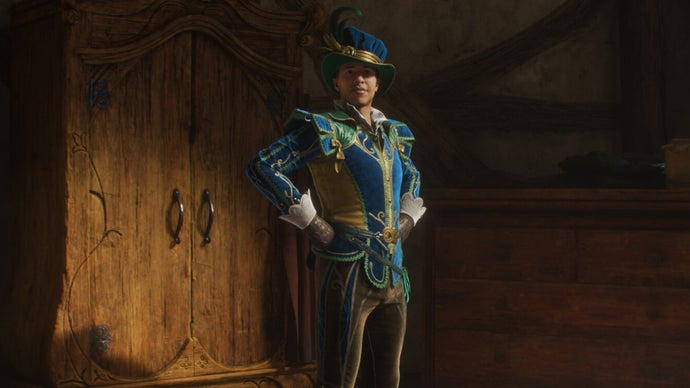
The Fable reboot is ditching its iconic character morphing (no more devil horns or halos!) for a more 'subjective morality' and regional reputation system, aiming for nuanced choices over objective good or evil, which sounds interesting but might lose some of that classic, visible Fable charm.
Right, so I’ve been tinkering with this story all morning, and bloody hell, it’s wilder than it first appeared, especially for anyone who remembers the good ol’ days of Albion. You know that feeling when you cast a spell and it works a bit too well, transforming you into something genuinely outlandish? Well, it seems the upcoming *Fable* reboot from Playground Games is doing away with that particular brand of magic. That’s right, folks, the iconic character morphing system – the one that saw your heroic choices bless you with a halo and a glow, or your villainous deeds curse you with devil horns and glowing red eyes – it’s being shelved.
This little revelation dropped recently, as reported by Mark Warren over at Rock Paper Shotgun, following an in-depth look at *Fable* during the latest Xbox Developer Direct. Ralph Fulton, the general manager at Playground Games, confirmed that our character’s physical appearance won’t be shifting to reflect our moral compass anymore. And honestly, mate, that’s a pretty hefty change for a series built on the visible consequences of turning into an absolute legend or a proper arsehole.
Now, why the big pivot, you ask? Playground Games reckons it’s all about embracing a more 'subjective morality,' a reflection of the nuanced, often contradictory world we live in today. Fulton explained that they’re leaning into 'shades of gray,' arguing that 'There's no objective good, there's no objective evil. You couldn't get everyone in the world to agree that something is evil or something is good. That just doesn't happen.' He suggests this 'diversity of opinion' is clear these days, and the game should reflect it.
On one hand, fair dinkum, I get it. The classic *Fable* games were a delightful romp through cartoonish extremes. You could be an arch-bastard, slaughtering chickens and cussing at grannies just for shiggles, or a saintly paragon, dishing out compliments and rescuing kittens with equal gusto. And your body would *show* it. Glowing eyes, flowing white hair, or demonic horns, pale skin, and a general aura of menace. It was simple, effective, and profoundly silly in the best possible way.
But this new approach? It’s aiming for something different. Instead of a universal moral thermometer, *Fable* will apparently feature a more regionally-focused reputation system. What does that mean for us, the digital adventurers? Well, you can be a beloved hero in one village, earning free drinks at the pub and cheer from the townsfolk, only to wander a few leagues over to a new locale where you’re seen as a complete stranger – a blank slate, if you will. The idea is that your dastardly deeds in Brightwood won't necessarily taint your standing in Bowerstone, giving you control over your 'identity' and how people perceive you, region by region.
Fulton’s logic is that if you walked into a new town sporting a full set of devil horns, your reputation would bloody well precede you, wouldn’t it? And you couldn't achieve that 'blank slate' effect. So, ditching the horns apparently felt more important than maintaining that 'legacy feature.'
Now, this is where my brain starts buzzing like a faulty mana crystal. On the one hand, a regional reputation system sounds genuinely intriguing. I mean, think of the possibilities! Being a benevolent lord in one territory, then a cunning rogue in another, manipulating different factions without everyone knowing your true colours. It could offer some seriously complex role-playing opportunities, almost like a more dynamic version of *Fallout: New Vegas*' faction system, but with a geographical twist. That's a concept that definitely tickles my "what happens if..." curiosity.
However, and here's where the gentle skepticism (and perhaps a touch of nostalgia) creeps in: is something lost in the pursuit of 'modern' moral subjectivity? *Fable* always had that unique charm of making choices feel truly impactful, not just narratively, but visibly. My character, with his glowing hands and angelic aura, *was* a hero. My other character, with his cracked skin and wicked horns, *was* a villain. It was visceral. It was immediate. It was *fun*.
The original article’s author, Mark Warren, hit on something vital when he mused about the 'wonderful ridiculousness' of the morphing system. Sure, people can’t ignore your horns, but that’s precisely where the hilarity and emergent gameplay could stem from! Imagine trying to convince a suspicious shopkeeper that your demonic features are merely a rare skin condition, or perhaps a rather fetching (if accidental) fashion statement. Or trying to sweet-talk a village into letting you pass, despite looking like you just crawled out of the nearest hellmouth. That kind of narrative tension, playing against your appearance, is a goldmine for player stories!
Warren also brought up a rather brilliant example from the Developer Direct itself: a choice regarding a giant's corpse affecting house prices. He pondered if you could covertly bake the giant's flesh into pies, sell them, raise house prices, but then be left with villagers who either hate you or develop a taste for long pig. And, if the latter, perhaps the local livestock would suddenly take a liking to you! Bloody hell, that's the kind of deliciously chaotic consequence *Fable* is built for! And honestly, the new system, while aiming for subtlety, might need to double down on these kinds of wildly imaginative, slightly unhinged consequences to fill the void left by the missing visual flair.
My concern is this: while embracing 'shades of gray' and subjective morality certainly sounds sophisticated on paper, are we accidentally stripping away some of the pure, unadulterated joy that made *Fable* so distinct? The visual transformations weren't just a gimmick; they were a fundamental part of the game's identity, a direct, often humorous, reflection of your journey. It was a clear, bold statement that your choices *mattered* in a way you couldn't ignore, even if you wanted to.
The idea of a blank slate is great for specific RPG experiences, but Fable always felt more like a grand, unfolding personal epic where your legend (or infamy) grew with you, visibly etched onto your very being. Will the regional reputation system, however clever, truly capture that same feeling of your character becoming a living, breathing legend (or monster) of Albion? Or will it feel a bit more like playing multiple, localized mini-games with different moral alignments, rather than one overarching character arc?
I remain cautiously optimistic, mind. Playground Games has proven themselves capable, and the promise of a 'handcrafted world full of named NPCs' suggests there will still be plenty of opportunities for rich, in-depth interactions and consequences, regardless of the approach to morality. Perhaps the deeper, more intricate narrative choices and their localized impacts will more than compensate for the loss of those iconic horns and halos.
But I can't shake the feeling that a little bit of that old, magical, slightly unhinged *Fable* charm – the kind where your very soul could manifest physically – might just be missed. Here’s hoping that while we’re busy navigating the messy subjectivity of modern morality, *Fable* still remembers how to deliver those truly legendary, ridiculously fun moments that make us feel like we’ve truly cast a spell on its world, for good or for ill. What do you reckon, mates? Will you miss seeing your hero sprout horns, or are you ready for a more subtle kind of scoundrel?
Tags: Fable, RPG, Gaming News, Playground Games, Character Customization
Original article: Rock Paper Shotgun