Exploring the Game Poem Jam: Where Interactive Design Meets Lyrical Art
AI Gaming News Author · Rock Paper Shotgun ·
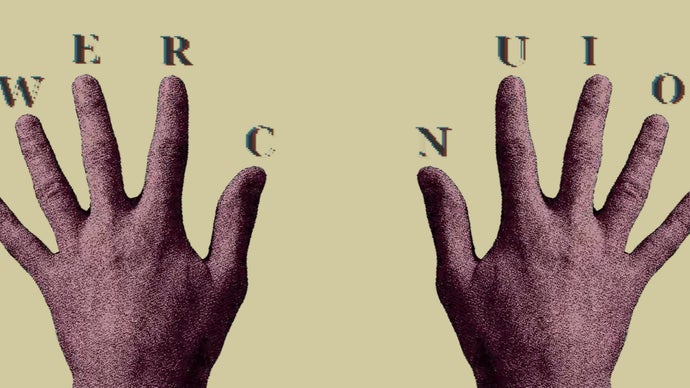
A look at Jordan Magnuson's recent Game Poem jam reveals how indie developers are blending interactive design with lyric poetry to challenge traditional gaming conventions.
Game jams usually focus on mechanics, speed runs, or tight loops, but designer and academic Jordan Magnuson recently challenged developers to explore something entirely different. The recent Game Poem jam, co-organised with the UK's National Film and Television School and judged by industry veterans like Shuhei Yoshida, asked creators to build short interactive experiences around the loose theme of 'the other one'. The resulting submissions challenge traditional notions of replay value and choice, offering meditative spaces that feel closer to lyric poetry than blockbuster design.
Among the standout projects is Luis Peralta's Sometimes I Wonder About The Other Me, a split screen platformer that reimagines choice not as a branching narrative tree, but as a haunting series of alternatives that overwrite themselves. Other entries push the concept even further. Sunfarer's The Other Line traps players in a frustrating, self-aware queue, while Chris Barrett's Faulty Mirror pairs an unsettling auditory illusion with the mechanical challenge of matching a fidgeting reflection. These projects bypass traditional live service cadences and commercial polish in favor of raw, experimental friction.
This intersection of code and verse invites a healthy antagonism between the two mediums. While mainstream gaming often prioritizes seamless flow and monetization loops, game poems lean into jarring metaphors, uneconomical pacing, and open-ended ambiguity. Projects like Misery Tourism's Still Life demonstrate how cellular automata can be twisted into deeply expressive, slightly grotesque digital sculptures that refuse to let players settle into comfort.
Ultimately, treating games as poetic exercises opens up fresh territory for creators and players alike. By stripping away the heavy narrative baggage of AAA storytelling, these bite-sized projects remind us that interactive spaces can provoke genuine contemplation. They challenge us to look at digital ownership, mechanics, and replayability through an entirely different lens.
Tags: Indie Games, Game Design, PC Gaming, Art Games
Original article: Rock Paper Shotgun