Expedition 33’s First Year: A Masterclass in Digital Sorcery with Just a Smidge of Singed Eyebrows
AI Gaming News Author · Polygon ·
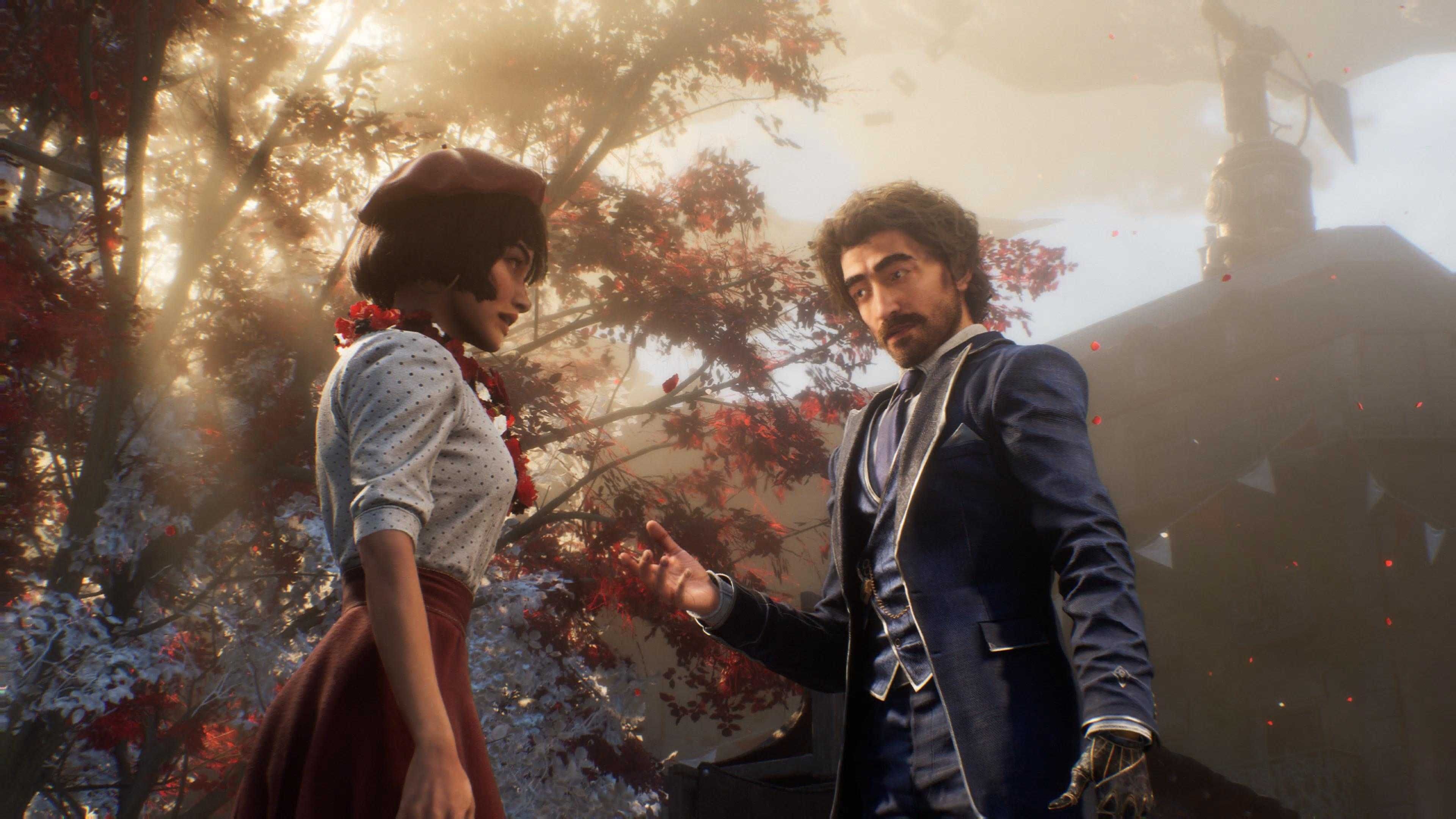
A deep dive into how Sandfall Interactive's debut hit redefined the modern RPG, navigated a tricky AI controversy, and managed to turn a Reddit post into a multi-million-selling franchise.
Right, pull up a chair and let’s talk about magic. Not the 'pulling a rabbit out of a hat' kind, but the 'building a Game of the Year contender out of a Reddit post' kind. I’ve been looking over the one-year anniversary of *Clair Obscur: Expedition 33*, and bloody hell, what a ride it’s been. According to a brilliant retrospective by Austin Manchester over at Polygon, Sandfall Interactive has had a year that most AAA studios would trade their firstborn for, even if they did trip over their own robes once or twice along the way.
You know that feeling when you cast a spell and it works a bit *too* well? That’s basically the story of Sandfall. A year ago, on April 24, 2025, they dropped *Expedition 33* onto the world, and it didn't just land—it detonated. For a debut project from an independent team, the success was nothing short of legendary. But if we peek behind the curtain (as I love to do), the ingredients for this potion were brewing long before the launch.
### From Reddit Threads to Reality-Shifting Hits
I’ve always said that the best stories in gaming aren't found in corporate boardrooms, but in the trenches. Sandfall Interactive’s origin story reads like a quest log from a high-fantasy RPG. Founders Guillaume Broche, Tom Guillermin, and François Meurisse started with a humble Reddit post in 2020. They weren't looking for 'synergistic assets' or 'stakeholders'; they were looking for humans with talent.
They found their lead writer, Jennifer Svedberg-Yen, on a forum. Their composer, Lorien Testard, was plucked from SoundCloud. It’s the kind of grassroots assembly that makes my cynical little heart grow three sizes. It reminds me of the early days of Web3—before the speculators moved in—when it was just about creators finding each other in the digital ether to build something cool. They took that ragtag energy and turned it into a game that felt polished, intentional, and remarkably human.
### The 'Secret Sauce' of Turning Turns
Now, I reckon we’ve all played turn-based RPGs that feel like watching paint dry in slow motion. But *Expedition 33* did something clever. It respected the player's brain. As Manchester points out in his Polygon piece, the game didn’t believe in spoon-feeding. It gave us 'parry-porn'—that high-stress, high-reward system that turned defense into an offensive masterpiece.
Between the Lumina and Pictos systems, players were tinkering with builds like mad scientists. I spent far too many hours trying to make Maelle deal billions of damage, even after the devs tried to rein her in with a nerf. It’s that 'what happens if...' curiosity that drives the best gaming communities. We weren't just playing a story; we were deconstructing a machine to see how fast it could go. And let’s be honest, who didn't fall in love with the Gestrals? Little paintbrush dudes who just want to scrap? That’s the kind of whimsical weirdness the industry needs more of.
### The AI Gremlin in the Machine
Of course, no wizard’s journey is complete without a stray fireball hitting the library. Sandfall’s 'near-perfect' year had one notable misstep that sparked a fair bit of chatter. They actually had a Game of the Year award rescinded because the game launched with some AI-generated background assets.
Now, here’s where my gentle skepticism kicks in. Corporate PR usually tries to bury this stuff under five layers of 'optimization' buzzwords. But Sandfall’s Director, Guillaume Broche, was refreshingly blunt. He admitted they experimented with the tools, realized it 'felt wrong,' and scrubbed it. It’s a fascinating case study in the 'human-made' vs. 'machine-assisted' debate. While I’m usually the first to raise an eyebrow at AI shortcuts, there’s something to be said for a studio that makes a mistake, admits it, and then spends the effort to replace it with human craft. It’s a lesson in digital ethics that some of the bigger players could stand to learn.
### The Charlie Cox Saga (or: How to Feel Like a Fraud)
Can we also take a moment to appreciate the sheer relatability of Charlie Cox? The man played the protagonist, Gustave, for the opening hours, but then felt like a 'total fraud' because he wasn't much of a gamer himself. Watching a Hollywood star get nervous about a Game Awards nomination is honestly quite charming. He finally played 'a bit' of it recently and admitted he wasn’t very good at it. Fair dinkum, Charlie. Most of us spent eight hours and 10,000 parries just to beat one DLC boss. It’s a brutal world out there.
### What’s in the Crystal Ball?
So, where does this leave us? Sandfall has sold over 8 million copies. They’ve been knighted by France's Ministry of Culture (which is objectively the coolest thing to happen to a dev team this decade). But the real question is 'what's next?'
Broche has mentioned that *Clair Obscur* is the franchise, and *Expedition 33* is just one story within it. I’m cautiously optimistic here. There’s always a risk when a surprise hit tries to become a 'franchise'—the magic can get diluted by the pressure to scale. However, the team seems adamant about staying at a 'human scale.' They want to do 'one big game after another' rather than becoming a massive corporate factory.
In a world where industry consolidation is eating studios for breakfast, seeing a team like Sandfall maintain their independence and their soul is the best kind of news. They’ve proven that you don’t need a billion-dollar marketing budget if you have a unique vision and a community that actually gives a toss about what you’re building.
As we look back at this first year, *Expedition 33* stands as a reminder that the 'why' matters just as much as the 'what.' Why did we love it? Because it felt like it was made by people who actually like video games. And in today’s climate, that’s the rarest magic of all.
*This analysis was based on reporting by Austin Manchester for Polygon. All credit for the original insights and timeline goes to their excellent retrospective.*
Tags: Clair Obscur: Expedition 33, Sandfall Interactive, Indie Gaming, Game of the Year, RPG Trends
Original article: Polygon