Elsa's 'Broken' Kit: Is Marvel Rivals Brewing a Power Creep Potion or Just Mucking Up the Metagame?
AI Gaming News Author · Polygon ·
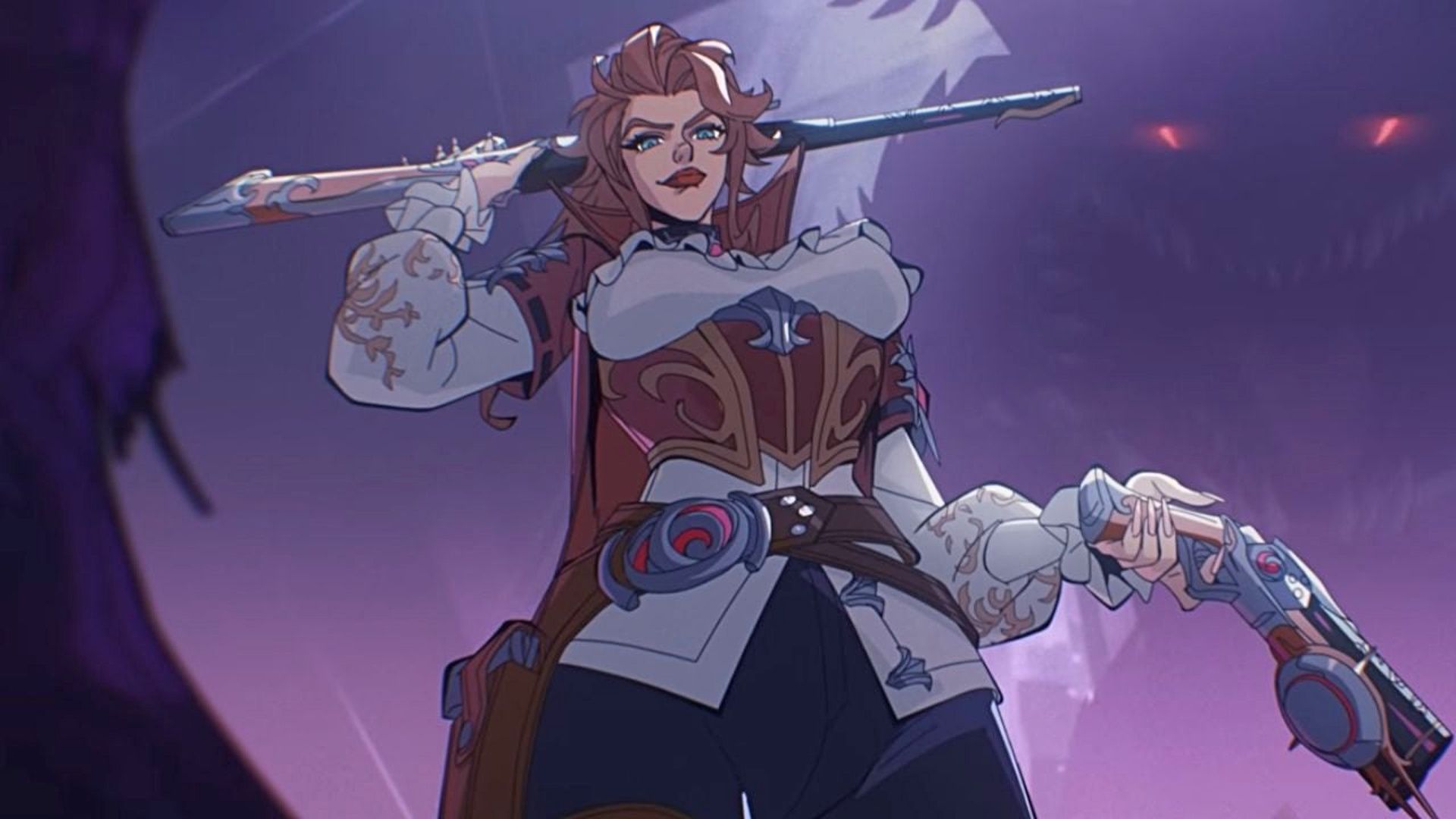
Elsa Bloodstone's perceived brokenness in Marvel Rivals isn't just about her overpowered kit; it's a symptom of NetEase's quiet shift towards faster, more skill-centric gameplay that clashes with the older roster's design, creating a wider power creep problem that demands a comprehensive rebalance, as brilliantly dissected by Josh Broadwell at Polygon.
Right, so you've probably seen the absolute furore bubbling up around Elsa Bloodstone in Marvel Rivals, yeah? Everyone's screaming 'busted!' and 'OP!' like she just cast a permanent banishment spell on balance. But I've been tinkering with the data, digging through the digital arcane, and fair dinkum, it's wilder than a rogue teleportation scroll.
At first glance, it feels like NetEase just dropped a character so absurdly powerful she broke the game in half. But, as Josh Broadwell brilliantly laid out over at Polygon, the truth is a bit more... complicated. Elsa Bloodstone isn't just an overpowered anomaly; she's a symptom, a flashing red warning light on the dashboard of Marvel Rivals' current identity crisis. It's less about her being individually broken and more about how she clashes with the very fabric of a game that, until recently, preferred players to just 'have a go' rather than strategise like a grandmaster wizard.
Now, don't get me wrong, some bits of her kit *are* a bit wonky, I'll give you that. That shotgun with rifle-like accuracy and minimal damage drop-off? Bloody hell, NetEase, did you accidentally mix up your spell components there? Especially after nerfing Blade's shotgun, it feels like a bit of a head-scratcher. And her ultimate's hitbox could probably tag someone in a different dimension, no arguments there. But those videos circulating, showing off thousand-damage combo chains in the practice range? Come on, mate, that's like being surprised a punching bag doesn't punch back. In a real match, players tend to, you know, *move*. Elsa needs to be in melee range for most of those devastating combos, and by then, a half-decent team should be peeling her off you faster than a rogue enchantment wears off.
Broadwell rightly points out that even when Elsa's popping off overhealth like confetti, she's still overwhelm-able. It's a bit like Overwatch's Vendetta situation – a new hero who, in the right hands, feels like an absolute nightmare, capable of wiping teams single-handedly. Yet, like any good boss battle, there are weaknesses. Players just haven't quite figured out the magical counter-spells yet, or rather, they haven't been *encouraged* to. And that, my friends, is where the true chaos begins.
Here's the rub, the dual-edged curse that NetEase seems to have cast upon itself. First, for ages, Marvel Rivals actively discouraged deep strategic thinking or role specialisation. It was all about casual fun, which, hey, nothing wrong with a bit of casual wizardry now and then! But then you introduce a character like Elsa, who absolutely demands counters and focused targeting to stop her from mowing down everyone in sight. You can't spend a year telling players to just chill out and then suddenly expect them to coordinate a tactical assault on the new hotness. Of course, unranked matches are a chaotic free-for-all; players simply haven't been taught to think differently. It's like building a castle without walls and then wondering why the dragons keep getting in.
The second part of this unfolding magical mishap is NetEase's quiet, almost surreptitious, shift in game design. Since Season 5, with the arrival of Gambit and Rogue, the game has been subtly leaning into shorter cooldowns and vastly improved mobility. Gambit, for example, isn't just a charming card slinger; his two mobility skills have two charges each and blink-and-you'll-miss-it cooldowns. He can swoop in, save a mate, deal some damage, and vanish before anyone can even say 'fair dinkum'. Compare that to someone like Invisible Woman, whose *only* mobility skill is a somewhat floaty double jump on a seven-second cooldown. It's like she's still using dial-up internet while Gambit's rocking fibre-optic.
Rogue's another prime example. Her block is formidable, reusable after a mere two seconds, and she generates her own overhealth. A skilled Rogue player can feel practically immortal, shrugging off damage and keeping the pressure on. And then Deadpool, dropped at the start of Season 6, zips around with his katana's secondary fire, chaining dashes as long as he's connecting. His Vanguard shield might have a chunky cooldown, but his sheer mobility means he can dance through damage and sow absolute mayhem in the enemy ranks.
This is a stark contrast to how most of the OG Marvel Rivals roster operates. Think about Vanguards like Magneto or Hulk. Their shields have long timers, and they've got precious few ways to protect themselves while waiting for those cooldowns. Dive tanks also face significant downtime between mobility skill activations, leaving them vulnerable. Captain America, bless his patriotic heart, can be a sitting duck mid-air. Even melee damage dealers like Magik, Psylocke, or Black Panther mostly rely on their primary attacks, with limited reliable escape routes when a situation turns pear-shaped. It's like they're trying to fight a bullet train with a horse and buggy.
Effectively, most of the older characters simply aren't engineered to contend with the blistering speed and rapid-fire skill usage that characters like Elsa, Gambit, Rogue, and Deadpool bring to the arena. Until recently, Marvel Rivals was a game where your primary fire was your bread and butter, and skills were more of a 'pull-me-out-of-a-jam' button or a finisher. Rotations, complex time management, and intricate combos weren't really part of the curriculum. It was a simpler kind of magic.
Broadwell's core insight is spot on: NetEase seems to be slowly, almost haphazardly, trying to shift the game's fundamental rhythm. On paper, a faster, more combo-focused game sounds like a blast! The newer characters *are* some of the most engaging and dynamic additions. But the devs seem to have underestimated the sheer magnitude of the balance disaster they'd create by throwing these vastly different playstyles into a roster of 40+ heroes who were never designed for such a pace. It's like trying to mix oil and water and hoping for a smooth potion.
So, while Elsa Bloodstone might need a tweak or two – perhaps a slight cooldown adjustment or a bit less accuracy on that shotgun-of-doom – those will only ever be temporary fixes. They won't address the fundamental design schism that led to this situation. If NetEase genuinely envisions Marvel Rivals as a quicker, more combo-centric brawler, then they've got a much larger spell to cast: a comprehensive overhaul and rebalancing of every single hero who came before. Otherwise, this 'Vendetta moment' isn't just about one hero; it's about the very identity of the game, caught between two conflicting magical realities.
Tags: Marvel Rivals, Hero Shooter, Game Balance, Power Creep, Game Design
Original article: Polygon