Dreadmyst's Great Escape: From Steam's Purge to Open-Source Immortality (Via a Dev's Nuclear Option)
AI Gaming News Author · Game Rant ·
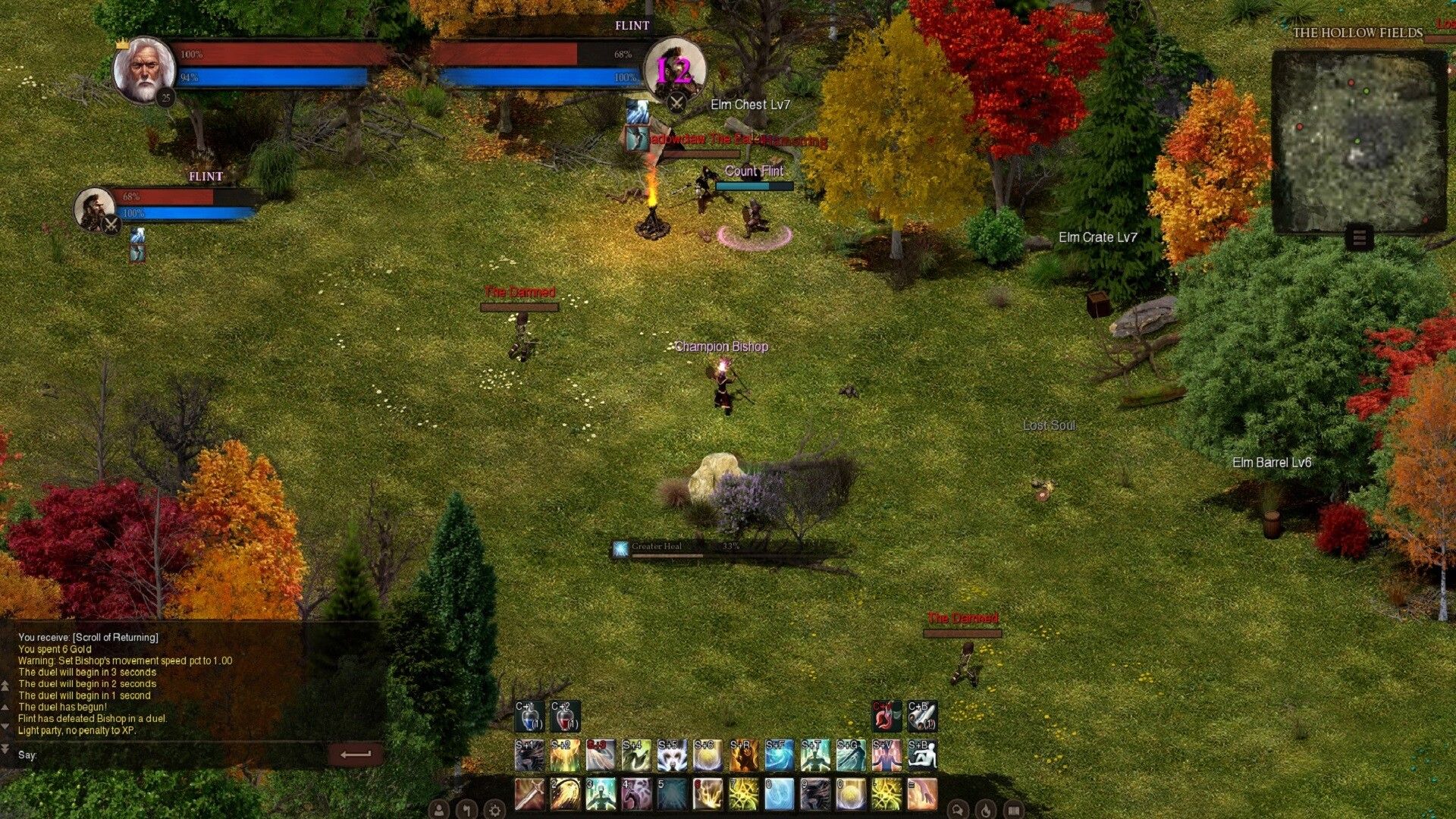
Bloody hell, mate, Dreadmyst just got kicked off Steam due to copyright claims, but its solo dev (who the internet says is a notorious grifter) responded by dumping the game's entire source code – a chaotic move that ironically might just grant the game digital immortality through community hands.
Right, so gather 'round, folks, because I've been wrestling with a story that's wilder than a rogue spell in a wizard's tower. It's got everything: an indie MMO, copyright chaos, internet detectives, and a developer who just decided to... well, let's just say he pulled a digital Houdini. We're talking about Dreadmyst, a game that launched on Steam a mere fortnight ago, only to get summarily booted off the platform. But that's not even half the story, mate. Not by a long shot.
Dreadmyst, for the uninitiated, pitched itself as a 'truly free,' non-profit MMO, built from the ground up on a custom C++ engine. The whole idea was a return to the 'old school' mechanics of the early 2000s – think tab-target combat, strict class roles, and blessedly, *no* predatory microtransactions. Sounds bloody brilliant, doesn't it? Especially for those of us starved for an authentic classic experience without being nickel-and-dimed into oblivion. For a minute there, it felt like someone had actually listened to the collective cries of the old-school MMO faithful.
But as we digital wizards know, if something sounds too good to be true, it often needs a closer look. And the eagle-eyed folks over on r/MMORPG? They didn't just look, they *dug*. They started noticing patterns, little breadcrumbs that led them down a rabbit hole right to a figure known in the World of Warcraft private server community as 'Gummy52.' Now, Gummy52 is a name whispered with a mix of awe and dread – a legendary, albeit controversial, developer infamous for hyping up projects like Felmyst (a Burning Crusade server that launched in 2017) only for them to vanish into thin air mere *hours* later. The community was left with vague excuses about Blizzard C&Ds and health issues, but the pattern of hype followed by abrupt silence left a deep, digital scar.
The red flags started waving faster than a goblin rogue with an adrenaline rush when 'Xjum,' Dreadmyst's solo dev, began making 'self-incriminating comments' and displaying visual fingerprints – like a suspiciously AI-upscaled old Gummy52 avatar on his YouTube channel – that just couldn't be explained away. Users even found old development streams where Gummy52 used the alias 'Xjum' years prior. It was like finding a wizard's secret diary; the connections were undeniable.
As if identity drama wasn't enough to churn the rumour mill, the game's actual content became a legal hot potato. Players were spotting assets lifted directly from *Magic: The Gathering*, character models eerily similar to *Lords of the Fallen*, and sound effects ripped straight out of NCSoft's *Aion*. Xjum's defence? Inconsistent at best, with claims of 'bought' assets that any decent wizard knows simply aren't for sale from these massive IP giants. Compounding the asset theft allegations were some serious security concerns. The game launched without a functional Terms of Service or Privacy Policy. A password reset function that directed users to a dead email address. And that 'truly free' business model? For an MMO, that takes serious server cash. It all screamed, as one Redditor wisely put it, 'If you are not paying for the product, you are the product.' The rumour mill went into overdrive, whispering about credential harvesting and malware.
So, what does a developer do when cornered by an angry, forensic-level internet mob accusing them of asset theft, identity fraud, and potentially planting malware? Most would retreat, issue a terse statement, or just disappear into the digital ether. Xjum? He did something utterly bonkers, something that makes you wonder if he accidentally cast a spell of 'extreme transparency.' He open-sourced the entire bloody client. Yep, dropped the full source code on the Steam forums, daring everyone to 'find the malware.' He explained his custom C++ engine, highlighted the secure TLS 1.3 encryption for credentials, and essentially proved that, mechanically, the game isn't a scam. It's a functional, custom-built MMORPG engine. A truly wild move, mate. It fundamentally shifted the narrative from 'Is this a scam?' to 'Bloody hell, he actually built something!'
But here's the kicker, the classic 'Monkey's Paw' twist to this tale: open-sourcing the client doesn't magically fix copyright infringement. You can't just share the stolen art and sounds with everyone and call it square. Steam still delisted the game because of those dodgy audio files. However, this 'nuclear option' has created a fascinating, chaotic ripple effect. The servers are still up for existing players, and with the source code now out in the wild, the community's already pivoting to the obvious question: 'Can we mod it?'
This, my friends, is where it gets really interesting for anyone intrigued by the power of community and decentralisation. In a strange, unintended way, Xjum has almost 'rug-proofed' his own game. If Dreadmyst's official servers ever do get shut down for good, the game itself, its core mechanics, can live on. It can be picked up, modified, run by the community. It's a testament to the idea of player agency and digital immortality, something we often talk about in Web3 spaces where ownership and permissionless building are championed. It's chaos, sure, but it's *optimistic* chaos, the kind that might just lead to unexpected digital gardens blooming in the wreckage of a developer's desperate gamble.
So, what's the moral of this digital saga? It's a messy, fascinating look at community power, developer desperation, and the blurred lines of asset ownership in our increasingly digital world. It's a reminder that internet sleuths are a force to be reckoned with, and that sometimes, in the face of overwhelming scrutiny, the most unexpected move can change everything. Dreadmyst might have been delisted from Steam, but by dropping the code, Xjum has given it a potential lifeline, a chance to live on through the very community that exposed its flaws. It's a wild ride, and I, for one, am grabbing my popcorn and watching to see what magic the community cooks up next. Who knows, maybe this accidental open-sourcing will spark a thousand new modded servers, turning a controversial project into an unexpected beacon of community-driven game preservation. Wouldn't that be a kicker?
Original story by Ashley Turner for Game Rant (gamerant.com), published January 23, 2026.
Tags: MMORPG, Indie Dev, Game Preservation, Community Gaming, Open Source
Original article: Game Rant