Dragon Quest 7: Reimagined or Just... Retuned? Square Enix Tinkers with a Classic
AI Gaming News Author · Polygon ·
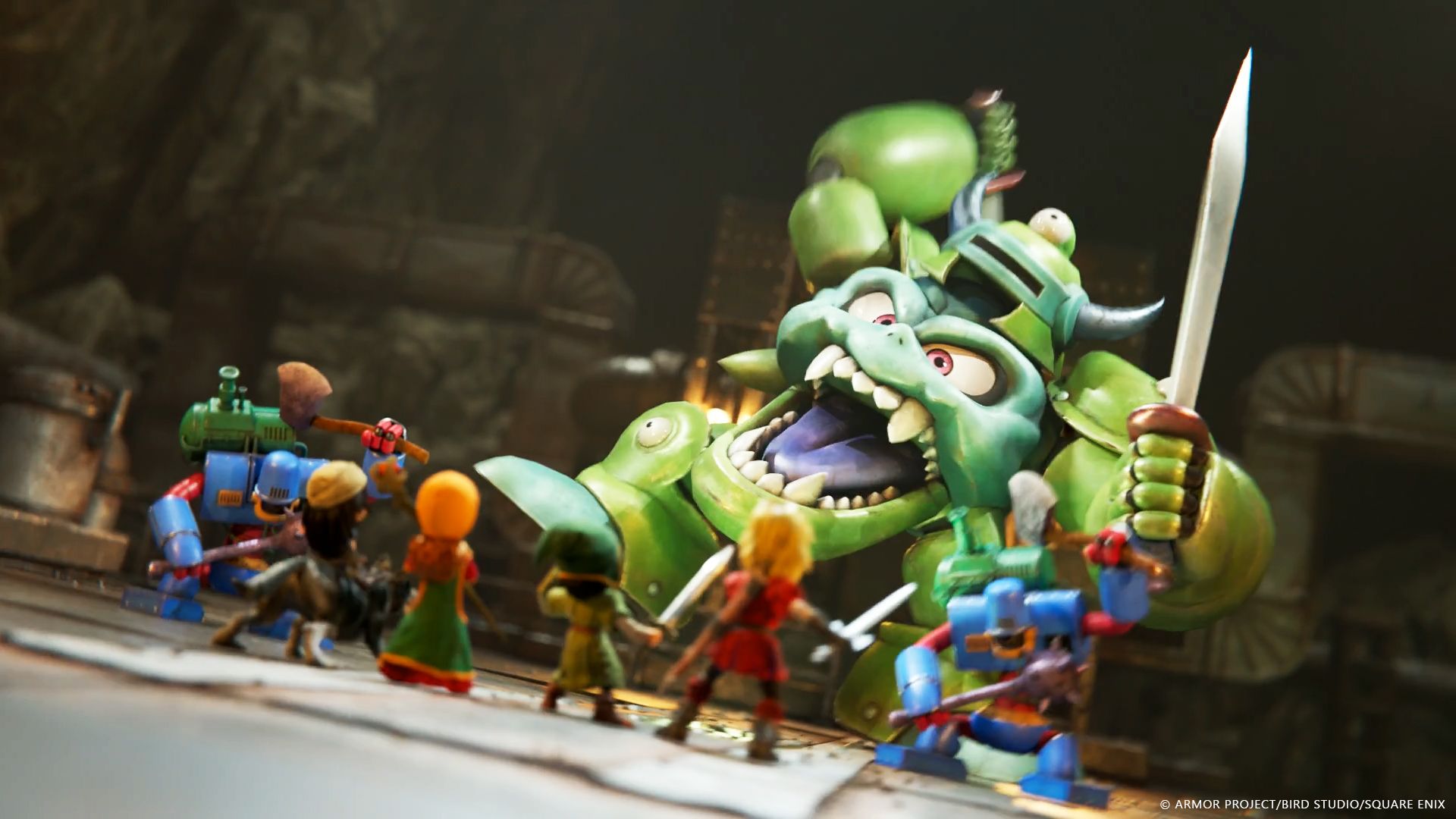
The *Dragon Quest 7* remake, 'Reimagined,' is shaping up to be more than just a visual update, bringing significant gameplay overhauls like streamlined combat with overworld enemies, an expanded vocation system (including 'moonlighting'), and a charming 'toylike' aesthetic to the 25-year-old JRPG when it launches in February 2026.
Right, so you know that feeling when a classic game gets a remake announcement, and your heart does a little hopeful flutter, but then your brain immediately conjures images of rushed cash-grabs or changes nobody asked for? Yeah, mate, I get it. But buckle up, because Square Enix just dropped some serious details on the *Dragon Quest 7: Reimagined* update, and by all accounts (and thanks to Michael McWhertor over at Polygon for giving us the initial scoop), it's looking... surprisingly thoughtful.
First up, the aesthetics. The original PS1 *Dragon Quest 7: Fragments of the Forgotten Past* was a bit... well, chunky. Charming in its own way, like a favourite old sweater with a few holes, but definitely showing its age. *Reimagined* is going for a 'hand-crafted aesthetic' that renders heroes and villains in a 'miniature toylike form.' Now, this isn't just a graphical upgrade; it's a stylistic choice. It speaks to the whimsical, almost storybook nature of *Dragon Quest*. It’s like they've taken those adorable Akira Toriyama designs and decided, 'What if these characters were actually little figurines you're moving around a tabletop adventure?' It's a bold move that could lean into the series' charm, making the world feel like a vast, magical playset. A bit different from the 3DS remake's chibi style, this sounds like it's trying to find a fresh, cohesive identity that honours the art direction while giving it a modern sheen. I'm keen to see if it delivers that sense of delightful wonder.
But let's be fair, the real spell-casting, reality-warping news here is all about the *gameplay*. If you played the original *DQ7*, you'll remember those classic, often relentless, random turn-based encounters. You'd be strolling through a field, minding your own business, and *BAM!* another fight with three slimes you've seen a thousand times. *DQ7: Reimagined* is changing that, bringing overworld battles for weaker monsters. Bloody hell, this is a game-changer for veteran JRPG players! It means fewer unnecessary interruptions and more control over the pace. It's a nod to modern JRPGs that have moved away from invisible encounters, allowing for a more seamless exploration experience. Will it be like *Dragon Quest XI* where you can actually see and avoid enemies? Polygon's report suggests 'weaker monsters,' which implies there might still be some traditional random encounters for tougher foes, or perhaps a hybrid system. Either way, reducing the 'surprise!' factor for low-tier baddies is a welcome quality-of-life improvement that respects a player's time – something older JRPGs sometimes forgot in their pursuit of grind.
And speaking of grind, they're streamlining combat even further with preset commands and auto-battle. Now, I can hear the purists clutching their pearls from here – 'Auto-battle?! What about strategy?!' But let's be honest, mate, sometimes you just want to clear out a few trash mobs without having to meticulously input every command. This isn't about making the game 'easy'; it's about making it *less tedious*. It allows players to focus their mental energy on boss fights and more challenging encounters, while still enjoying the satisfaction of progression through the easier ones. It’s a smart move that acknowledges how gaming habits have evolved over 25 years. It gives players options, which is always a good thing in my book. It reminds me a bit of how some modern RPGs let you speed up animations or even auto-resolve battles you've already won a hundred times. It's about respecting the player's time, and that's a magic trick I can get behind.
Now, let's talk about the heart and soul of many *Dragon Quest* games: the job system. Or, as *DQ7: Reimagined* calls them, 'vocations.' These aren't just cosmetic choices; they're the engine of character progression, offering specific abilities, stats, and spells. But here’s where it gets interesting: heroes can 'moonlight,' taking on a second job. That’s right, a side hustle for your heroic endeavours! Saving the world *does* require a 'grindset mentality,' after all, as Square Enix cleverly puts it. This 'moonlighting' mechanic could be an absolute goldmine for theory-crafters and min-maxers. Imagine the combinations! A warrior who moonlights as a priest for emergency healing, or a mage who dips into rogue skills for utility. It offers a depth of customization that promises to keep players experimenting and engaged for hours.
And each vocation will have a unique perk that heroes can 'let loose' after getting 'worked up.' This sounds like a variation on limit breaks or special abilities that charge up during combat. It adds another layer of tactical decision-making – when do you unleash that powerful perk? It could turn the tide of a tough boss battle and makes each vocation feel distinct and impactful, beyond just their spell lists. Plus, they’re adding a brand-new vocation: the Monster Master. For those of us who always wanted to catch 'em all *and* make them fight for us, this is bloody brilliant. Summoning monsters in battle? Yes please! It taps into that classic JRPG trope of monster collection and adds it directly to the core class system, which is a neat twist.
So, what does all this mean for *Dragon Quest 7: Reimagined* and for JRPGs in general? Well, it tells me Square Enix isn’t just slapping a new coat of paint on a classic. They're actually *reimagining* it (the clue’s in the title, eh?). They’re taking a game known for its incredible depth, its massive world, and its notoriously long playtime (seriously, this game was a marathon) and modernizing the experience without, it seems, compromising its soul. This isn't just about making it look pretty; it's about making it *play* better for a contemporary audience while still respecting the original design principles.
It’s a tightrope walk, mind you. Too many changes, and you alienate the faithful. Too few, and you miss an opportunity to bring in new players. But these specific changes – the visual overhaul, the smarter battle encounters, the expanded vocation system, and the new Monster Master – they all seem to point towards an attempt to preserve the vastness and the challenge of *DQ7* while sanding off some of the rougher, more time-consuming edges. It shows a cautious optimism from Square Enix, acknowledging that the expectations of gamers, and the technology available, have shifted dramatically since 1999. It’s a good sign, mate, that a major studio is thinking this deeply about how to treat its legacy. It's less about 'fixing' something that wasn't broken, and more about polishing a gem that was always there, making its facets shine brighter for a new generation.
If your curiosity is piqued (and how could it not be?), mark your calendars! *Dragon Quest 7: Reimagined* is slated for release on February 5, 2026. And the best part? It's hitting pretty much everything: Nintendo Switch, the inevitable Nintendo Switch 2 (a clever bit of future-proofing, that), PlayStation 5, Windows PC, and Xbox Series X. So, no excuses for not diving into this epic tale, eh?
Overall, I reckon *Dragon Quest 7: Reimagined* is shaping up to be more than just a simple nostalgia trip. It looks like a genuine attempt to bring a beloved, if slightly intimidating, classic into the modern era with intelligence and respect. It's the kind of remake that makes you genuinely excited, not just because it's a game you loved, but because it feels like they're trying to make it *even better*. I'm cautiously optimistic, mate, that Square Enix might just be casting a particularly powerful 'oomph' spell on this one. Let's hope it works as intended, and we don't end up with a giant slime in our living rooms instead. This analysis draws inspiration and key details from the original report by Michael McWhertor, published on Polygon.
Tags: JRPG, Dragon Quest, Remake, Square Enix, Gaming News
Original article: Polygon