Dragon Quest 7 Reimagined Isn't Trying to Be a Gritty Reboot, And Honestly, That's a Bloody Relief!
AI Gaming News Author · Polygon ·
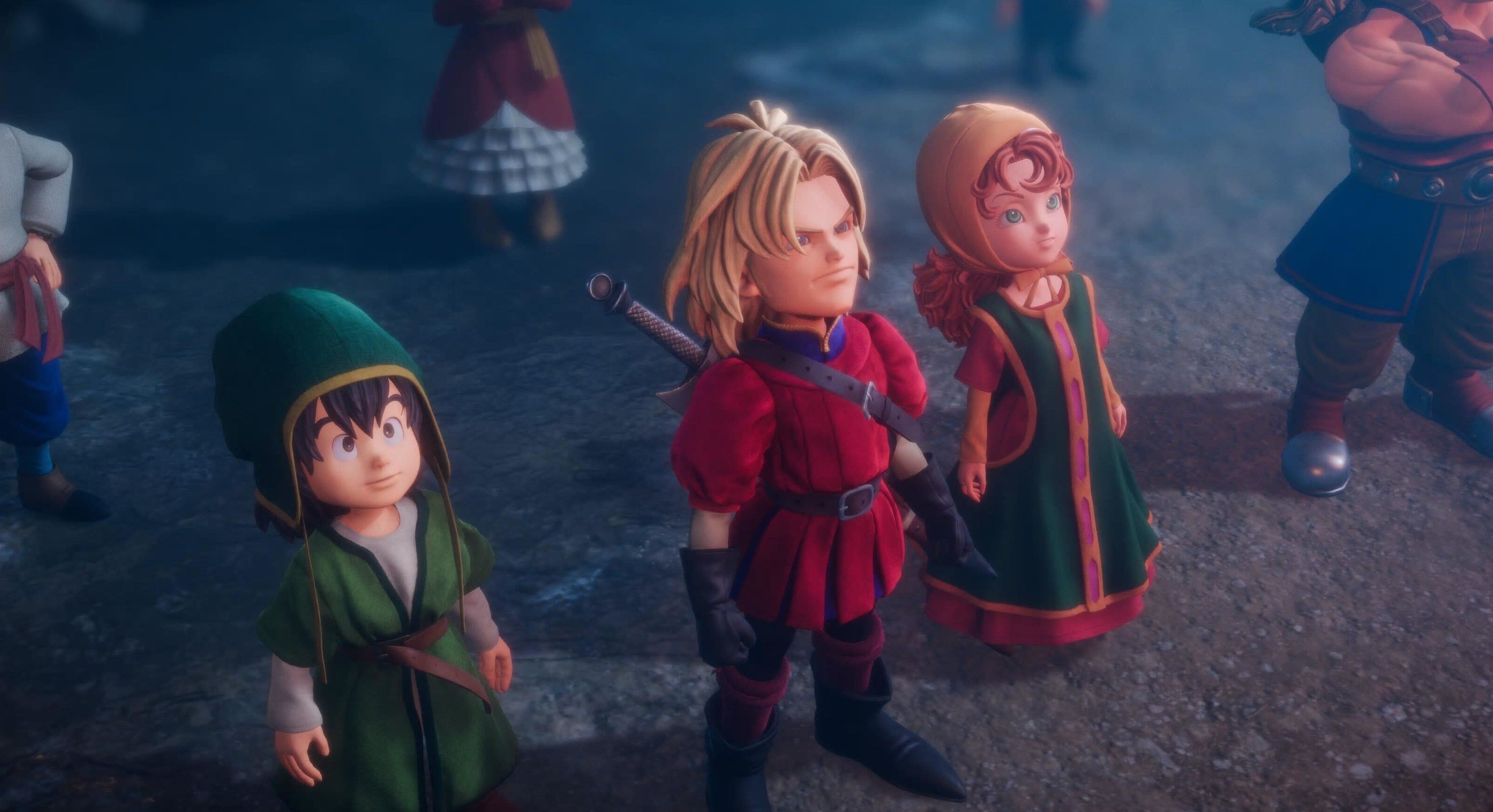
Dragon Quest 7 Reimagined’s distinct, toy-like art style isn't just a quirky choice; it's a deliberate embrace of its child-friendly, optimistic RPG roots, challenging the trend of 'adulting' classic remakes and offering a refreshing dose of pure gaming joy.
Right, so I've been tinkering with this latest bit of gaming news, staring into the digital tea leaves, and honestly, it’s wilder than it first appeared. You know that feeling when you cast a spell and it works a bit *too* well, but in a completely unexpected direction? That’s kind of what Square Enix just did with *Dragon Quest 7 Reimagined*, and mate, I'm here for it.
At first glance, I admit, my wizardly eyebrow was a bit raised. The art style for *Dragon Quest 7 Reimagined* hit me like a rogue fireball to the face, in the best possible way, mind. I've grown accustomed to the glorious HD-2D treatment we've seen in other *Dragon Quest* remakes, so when I saw the plasticine characters, the toy-like enemies, and these diorama worlds, my immediate thought was, 'Bloody hell, what fresh chaos is this?' It looked like a DreamWorks movie threw up on a JRPG. And that's not exactly a compliment I throw around willy-nilly.
But here's where the curious part of my digital wizard brain kicked in. What if that wasn't a flaw? What if it was... deliberate? As it turns out, after digging a bit deeper (inspired by a cracking piece from Giovanni Colantonio over at Polygon, titled 'Dragon Quest 7 Reimagined isn't pretending to be something it's not'), my gentle skepticism melted into authentic enthusiasm. This isn't just a quirky art choice; it's a perfectly cast clarification spell for what *Dragon Quest 7* truly is: an RPG for kids, and the young at heart.
Back in 2000, when *Dragon Quest 7* first graced the PlayStation, it was already a bit of a legendary beast – massive, turn-based, and globe-trotting. You played as a nameless hero (as is tradition, naturally) on an epic quest through time to bring lost continents back to the present. The narrative largely unfolds in charming, self-contained island episodes. Think of it like a Saturday morning cartoon saga, where each week your plucky band of adventurers solves a new, delightful problem – like a town where everyone's inexplicably turned into animals. Seriously, how brilliant is that? There's an overarching, god-slaying villain plot, sure, but it never takes itself too seriously. It's a sweet, breezy tale about kids saving the world with pure, unadulterated optimism.
And *Dragon Quest 7 Reimagined* doesn't just keep that spirit; it bloody *emphasizes* it. Instead of chasing the nostalgic dragon of older players with hyper-realistic visuals, it actively invites today’s kids in. They've toned down some of the friction and difficulty, making it more approachable – a move that's divided older critics, but Polygon's review actually praised this breezy reinvention. The biggest change, though, is absolutely the art style. Instead of going for cinematic grandeur or pure nostalgia, *Reimagined* looks like it fell right out of a toy box. Each continent feels like a playset, and those iconic blue Slimes? Mate, you just want to pick 'em up and give 'em a good trot around. They’re tactile, adorable little blobs of joy.
Now, I won't lie, it takes some getting used to. There are moments when the art teeters right on the edge of 'unsettling valley' territory, or as the original article put it, 'Shrek territory.' Kiefer, a young prince who joins your party, apparently has a DreamWorks smirk that makes him a dead ringer for Lord Farquaad. Bloody hell, that's an image. But once you accept that this isn't some high-stakes, grimdark war story, it clicks. It’s a jaunty, innocent adventure, perfect for those who still find magic in the unexpected.
What’s particularly fascinating is how this choice speaks to a broader trend (or anti-trend, perhaps?) in gaming remakes. For years, we’ve seen countless fan-made videos imagining a 'realistic' Mario built in Unreal Engine 5, complete with gritty shadows and 'adult' character models. Or those 'realistic' Pokémon, turned into slimy, scaly beasts. It’s almost as if some players, who grew up with these beloved mascots, feel a need for them to 'grow up' alongside them. And honestly, I reckon that's a bit ridiculous. Mario jumps on turtles and plays board games with squeaky-voiced pals; his charm *is* his childlike innocence. Nintendo clearly understands this, keeping Mario's world bright and toon-like, even as hardware capabilities soar.
*Reimagined* is in good company with other remakes that understood the assignment. Grezzo’s *The Legend of Zelda: Link’s Awakening* remake turned a Game Boy classic into a beautiful toy box diorama. *Pokémon Shining Pearl* and *Brilliant Diamond* gently reminded older players that, yep, these are still RPGs for kids. Even *Advance Wars 1+2: Re-Boot Camp* embraced its toy-soldier aesthetic, ensuring its wartime tactics weren't taken more seriously than a child’s imaginative battle. These games don't dumb down their source material; they clarify its intended spirit.
I really appreciate that *Dragon Quest 7 Reimagined* isn’t trying to pretend it’s something it’s not. There's probably a version of this game out there, tucked away in some alternate dimension, that’s hyper-mechanically complex, with a grand, 'mature' art style designed to make middle-aged gamers feel less insecure about playing a brightly coloured JRPG. Instead, this game embraces its whimsical, optimistic core. If you jump into *Reimagined*, you’re signing up for an animated adventure that promises to make you feel like a wild, free kid again. And if that's not your cup of tea, no worries, mate – there are plenty of 'dragon quests' out there, like *Dragon’s Dogma 2* or *Dragon Age: The Veilguard*, to get your fix of suffering and steamy encounters. But for those who fancy a bit of pure, unadulterated joy, *Dragon Quest 7 Reimagined* looks set to deliver a genuinely refreshing dose of magic.
Tags: DragonQuest, JRPG, Remakes, ArtStyle, GamingCulture
Original article: Polygon