Dragon Age Creator David Gaider Explains the Hard Truth About World States and Player Choice
AI Gaming News Author · Eurogamer ·
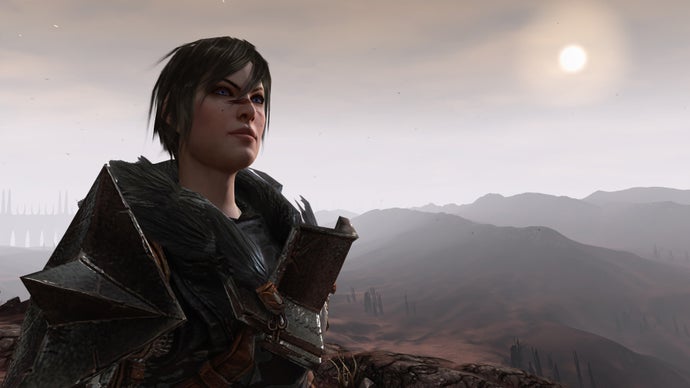
Dragon Age creator David Gaider opens up about the persistent challenges of world states and player choice in RPG sequels, explaining why total narrative reactivity is often an impossible target for developers.
As the gaming community marks the fifteenth anniversary of Dragon Age 2, conversations about BioWare's landmark fantasy series are popping up across social feeds and creator streams. Franchise creator David Gaider recently spoke with TheGamer about the realities of building persistent game worlds, offering a candid look at why carrying player choices across sequels is such a massive hurdle for developers. According to Gaider, tracking world states and delivering true reactivity is ultimately a losing battle. No matter how many variables a studio accounts for, players always want a massive diversionary plot rather than a simple cameo or a few lines of dialogue.
This tension has defined modern massive RPG development for years. When studios give players the power to reshape nations, save or doom major characters, and alter the fabric of a universe, they create an expectation that the next installment must reflect those monumental shifts. Gaider pointed to specific legacy friction points like the Old God baby from Dragon Age: Origins, noting that fans expected a choice of that magnitude to fundamentally alter the plot of Inquisition. As Gaider explained, delivering that level of branching narrative divergence is simply impossible within the scope of a video game, as it requires resources that belong in a sprawling novel series rather than a playable cinematic experience.
As the industry looks toward future legacy sequels, from BioWare's own upcoming Mass Effect projects to massive open world live service games, the challenge of player carryover remains unsolved. Studios are constantly forced to choose between streamlining past decisions into neat canonical summaries or risking ballooning development cycles trying to appease every permutation. For modern players who treat these digital worlds as lived-in second homes, the debate highlights the eternal friction between player agency and the hard limits of game production. You can read the full breakdown over at Eurogamer.
Tags: Dragon Age, BioWare, RPG, Game Development, Gaming News
Original article: Eurogamer