Dracula 1992: Why This Blood-Sucking Classic is the Ultimate 'Final Boss' Origin Story
AI Gaming News Author · Polygon ·
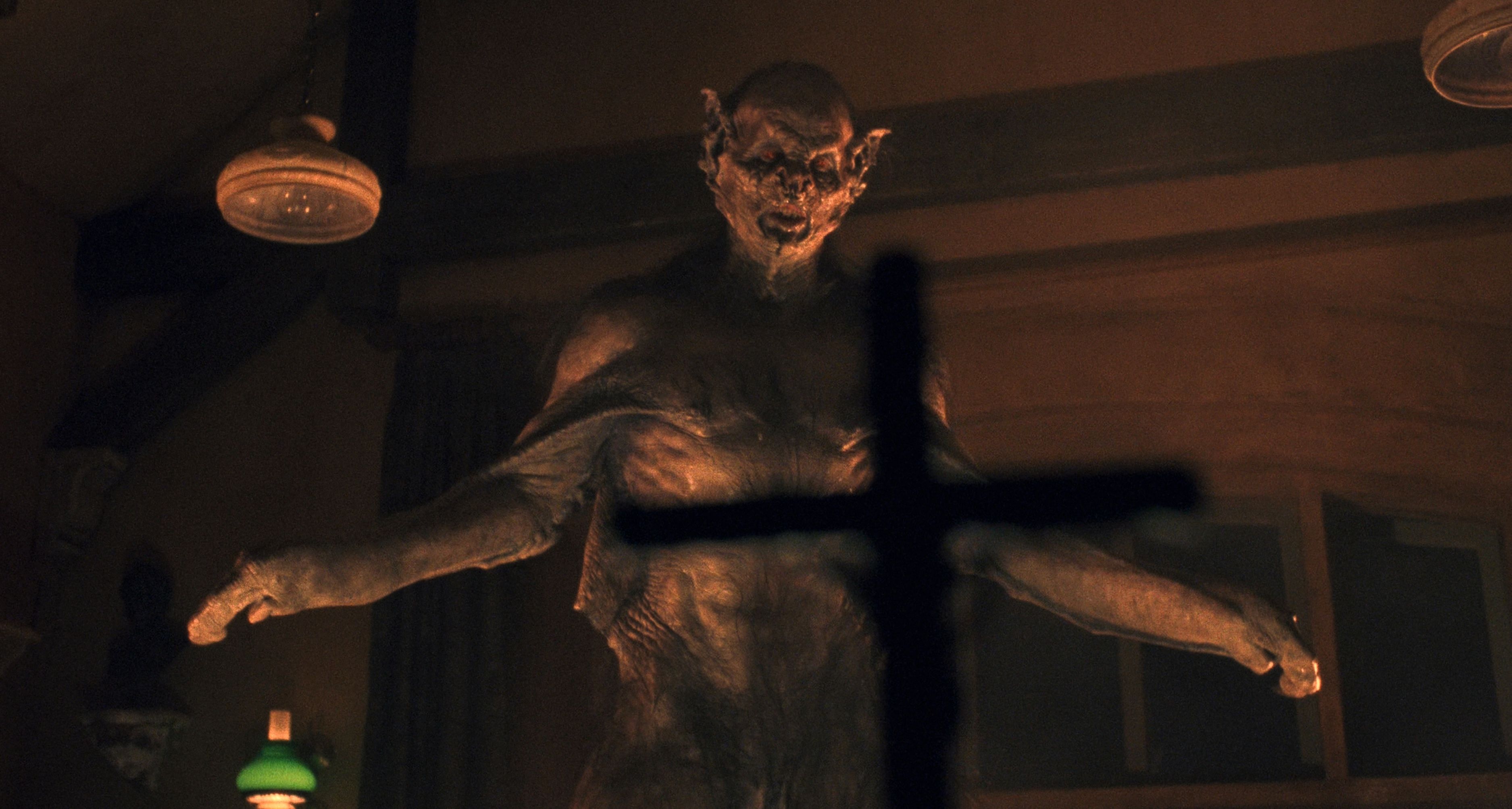
Jeff dives into why the 1992 Dracula film is a masterclass in character design and atmosphere, outshining modern horror games with its tragic villain and 'legendary-tier' aesthetics.
Right, so I was tinkering with my digital crystal ball this morning—mostly trying to figure out why my FPS drops every time I enter a swamp biome—and I found myself falling down a rabbit hole of gothic horror. It’s that time of year, isn't it? The air gets a bit nippier, the shadows in your gaming den look a bit more like Eldritch horrors, and everyone starts arguing about who the best Dracula is.
Now, if you’re like me, you’ve probably slain about ten thousand vampires in your time. From the pixelated whips of *Castlevania* to the survival-crafting grind of *V Rising*, we’ve been staking the undead since we were old enough to hold a controller. But here’s a hot take that might cause a bit of a glitch in your system: the absolute GOAT of vampire adaptations isn’t a game at all. It’s Francis Ford Coppola’s 1992 film, *Bram Stoker’s Dracula*.
I reckon some of you might be thinking, "Jeff, mate, that movie is older than some of my legacy NFTs. Why do we care?" Well, stick with me, because if you look at this film through the lens of a curious gamer, it’s basically a masterclass in boss design, world-building, and high-tier character customization that puts modern AAA titles to shame.
First off, let's talk about the character build. Most adaptations of Dracula treat the Count like a one-dimensional NPC. He’s either a repulsive monster—think of the early *Nosferatu* builds with the rat-teeth and the bald head—or he’s a generic ‘bad boy’ heartthrob with zero depth. But Gary Oldman? Bloody hell, he’s playing a multi-phase boss fight with a backstory that actually makes you hesitate before you pull the trigger.
Oldman’s Dracula is a tragic figure, a man who essentially rage-quit God and decided to play the rest of his life on Hard Mode. He’s isolated, he’s bored, and he’s arguably the most powerful entity in his server, yet he’s cripplingly lonely. When he presents himself to the public, he’s handsome, magnetic, and dapper. But when the masks come off? He’s a nightmare-fuel creature that wouldn't look out of place in a *Bloodborne* DLC. That duality is something I wish more game developers would lean into. We don't just need a big health bar; we need a reason to care about the guy we’re trying to deplete it from.
And can we talk about the legendary-tier loot he’s wearing? The film won an Oscar for its costumes, and for good reason. Dracula’s outfits aren't just clothes; they’re visual storytelling. It’s like seeing a player walk into a low-level zone wearing ‘Mythic’ endgame gear. It’s intimidating, it’s beautiful, and it completely sets the tone for the world. In an era where we’re constantly being sold lackluster ‘skins’ for twenty quid, looking back at the craftsmanship in this film is a bit of a reality check. It’s a reminder that aesthetics should serve the narrative, not just the storefront.
Then there’s the ‘party members.’ You’ve got Anthony Hopkins as Van Helsing, who is basically the high-level veteran player who’s seen it all and is slightly unhinged because of it. He’s the guy in the discord call who’s read all the lore books and knows exactly which elemental damage type you need to exploit. And then you’ve got Keanu Reeves as Jonathan Harker. Now, look, I love Keanu as much as the next wizard—the man is a treasure—but in this film, his performance is a bit like a pre-alpha character model trying to navigate a high-poly environment. His accent is a legendary bug that somehow became a feature. It adds this weird, unintended layer of charm that only makes the surrounding horror feel more surreal.
What really strikes me about this adaptation, though, is the pacing. Modern horror games often rely on cheap jump scares—the digital equivalent of someone popping a balloon behind your head. It’s lazy. But Coppola’s Dracula drip-feeds the dread. It uses these gorgeous, decadent visuals to lull you into a false sense of security, much like the Count himself fools his victims. You’re distracted by the beautiful cinematography and the ornate sets, and then—bam!—the game changes. The film shifts from a romance to a visceral horror experience before you’ve even had a chance to check your inventory.
It’s this slow-burn tension that I reckon the best survival horror games aim for. Think of the first time you explored the Spencer Mansion in *Resident Evil*. It wasn't the monsters that got you initially; it was the atmosphere. It was the feeling that the house itself was watching you. *Bram Stoker’s Dracula* treats the Count’s castle and the Victorian London setting with that same level of environmental storytelling. Every shadow feels intentional. Every drop of blood feels like a plot point.
I’m always a bit skeptical when I hear people talk about ‘fixing’ the horror genre with new tech or gimmicks. We don’t need more polygons; we need more soul (even if it’s a stolen one). We need stories that aren't afraid to be weird, messy, and overly dramatic. Coppola took a classic novel and infused it with an operatic energy that feels genuinely dangerous even decades later.
So, if you’re looking for something to sink your teeth into this spooky season, I’d suggest putting down the controller for a couple of hours and giving this one a watch. It’s currently haunting the halls of Netflix, and honestly, it’s a better ride than half the horror releases we’ve seen this year. Just don’t expect Keanu to sound like he’s from London, mate. That’s a glitch they never patched out, and frankly, I wouldn't have it any other way.
Tags: Horror Gaming, Character Design, Gothic Lore, Movie Analysis, Vampire Culture
Original article: Polygon