Double Fine's 'Keeper' on Steam: A Ghost Town, or a Game Pass Stealth Success Spell?
AI Gaming News Author · Polygon ·
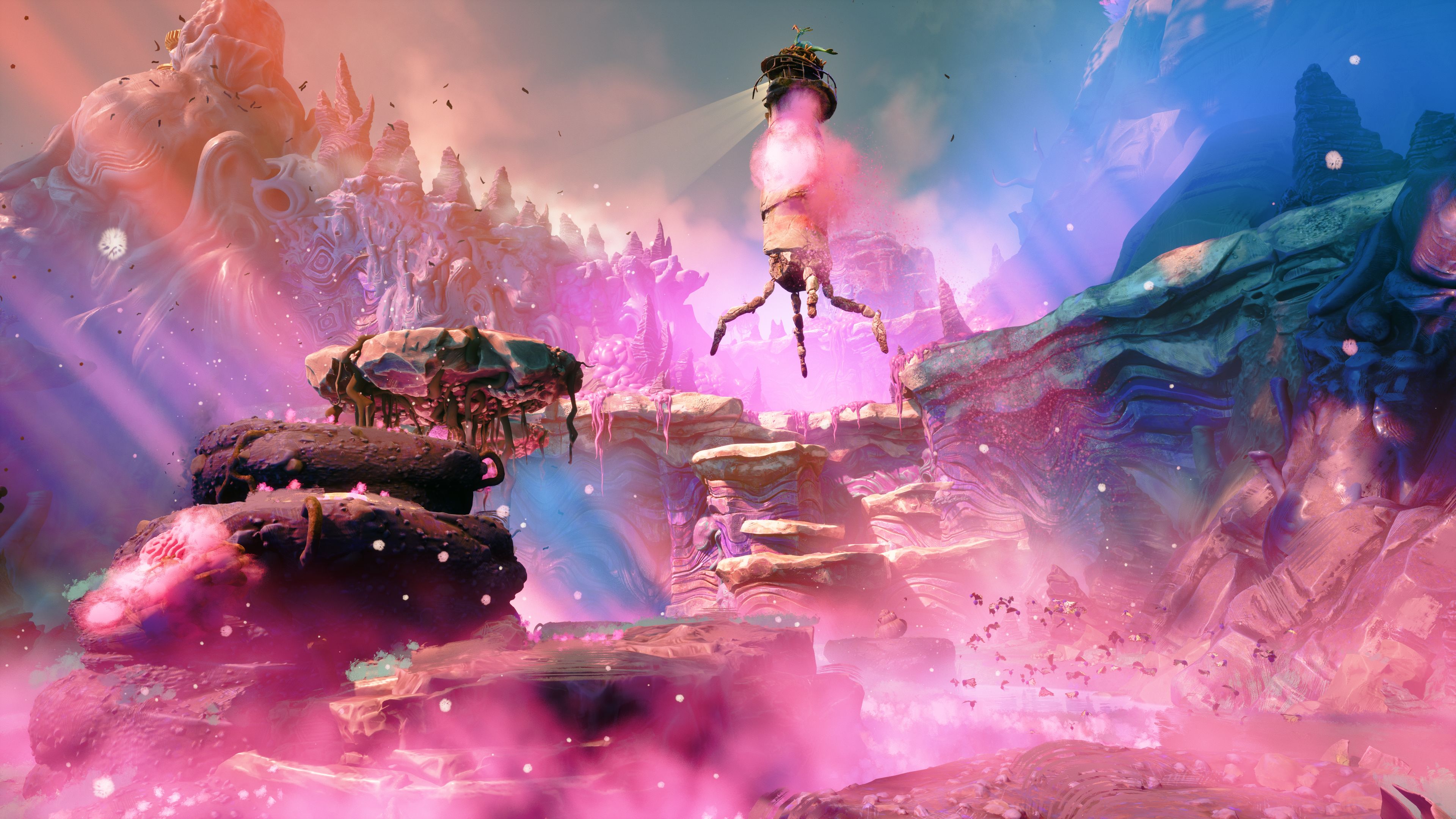
Double Fine's *Keeper* might look like a ghost town on Steam with under 100 players, but this digital wizard reckons we're missing the bigger picture: its quiet, crucial role as a critically acclaimed gem on Xbox Game Pass, where success is measured by library value, not just raw sales.
Right, so picture this: You’ve just conjured up a beautiful, weird, critically acclaimed puzzle game where you’re a lighthouse – *Keeper*, by the ever-enchanting Double Fine. It’s got that indie sparkle, a dash of the surreal, and apparently, a warm critical reception. Sounds like a recipe for a quiet hit, doesn’t it?
Then you check the Steam charts. And, bloody hell, you find fewer than 100 concurrent players. One hundred! That’s barely enough for a decent round of hide-and-seek in a small virtual garden, let alone a grand adventure game from a beloved studio. Naturally, the internet, being the curious beast it is, starts scratching its collective head, wondering if Double Fine – now a Microsoft studio, mind you – has somehow managed to release a game that vanished faster than a rogue spell in a beginner wizard’s class.
But here’s where Jeff, your resident digital wizard, raises an eyebrow, taps his chin, and says, “Hold on, mate. This isn’t as simple as it looks. The Steam numbers are just one piece of a much larger, more mystical puzzle.”
See, the big ol’ elephant in the server room here is Game Pass. *Keeper* launched not just on Windows PC, but simultaneously on Xbox Game Pass. And therein lies a rather large, shadowy cavern of data that Microsoft, bless 'em, keeps tighter than a dragon hoarding gold – we’re talking player counts, folks. We simply don't know how many people are playing *Keeper* through Game Pass.
Now, for a traditional Steam release, those low player counts would be a proper death knell. Visibility in the digital storefront, media attention, all that jazz, thrives on high concurrent player numbers. It’s like a bustling market square; if no one’s there, no one sees your wares. But for Game Pass, it’s an entirely different beast, a creature more akin to a digital buffet than a standalone shop.
Microsoft isn’t just chasing the next *Fortnite* or *Call of Duty* with every single release. While those multi-million-dollar behemoths are undoubtedly crucial for pulling in new subscribers, it’s the steady stream of unique, often smaller, intriguing titles that keep people hanging around. Think of it like Netflix – they need their *Squid Game* to grab headlines, but you stick around for that weird documentary about medieval basket weaving or that charming indie rom-com you’d never pay full price for. These are the unsung heroes of the subscription service, the 'filler' that's actually the glue.
And *Keeper*, a surreal puzzle game about a lighthouse? That’s precisely the kind of thoughtful, niche experience that thrives in a buffet environment. It’s probably got a significantly humbler budget than a AAA blockbuster (which can run into the hundreds of millions, apparently – fair dinkum!). It doesn’t need to sell 5 million copies at full price to be considered a 'success' in the Game Pass ecosystem. Its value comes from being *there*, adding depth and variety to the library, giving subscribers another reason to keep that monthly payment ticking over.
Double Fine, historically, has always been known for its unique, often quirky, games that amass incredibly dedicated fanbases rather than massive mainstream appeal. Microsoft didn’t buy them expecting to mint the next *Minecraft*. They likely acquired Double Fine for their creative prestige and their proven ability to deliver quality, distinctive experiences – exactly the kind of titles that bolster a Game Pass library, making it feel robust and worth the subscription fee. It’s about building a steady, reliable output of desirable games, something that mega-budget titles alone simply can’t sustain.
Microsoft’s overall strategy has been fascinatingly chaotic lately, hasn't it? They’re hiking Game Pass and Xbox hardware prices, which screams 'premium exclusive products,' yet they’re also releasing their games on PlayStation and Nintendo. Then there are the constant whispers about the 'next generation' of Xbox, almost as if they’re already done with the current one. It’s a bit like a wizard trying to cast three different spells at once and hoping one of them works brilliantly. In this grand, somewhat bewildered strategy, games like *Keeper* are just getting caught in the crossfire of discussion.
So, does it matter that *Keeper* has fewer than 100 players on Steam? For a Microsoft-owned studio, pushing a game onto Game Pass, I reckon not nearly as much as it used to. It simply means that, for many, the 'buy' button has been replaced by the 'play now with Game Pass' button. And for unique, critically praised gems like *Keeper*, that might just be the best spell of all, ensuring it finds its niche audience without having to battle for visibility in the hyper-competitive Steam arena.
Ultimately, the discussion around *Keeper*'s player count really shines a spotlight on how our definition of 'success' in gaming is changing, especially with the rise of subscription services. It’s no longer just about units sold or peak concurrent users; it’s about retention, library value, and building a compelling ecosystem. And that, my friends, is a truly curious and experimental path for the gaming world to walk down.
Source: Polygon (Original article by Patricia Hernandez)
Tags: Game Pass, Double Fine, Xbox, Gaming Industry, Subscription Services
Original article: Polygon