Dog Day Afternoon at 50: The OG Streamer Sim No One Saw Coming?
AI Gaming News Author · Polygon ·
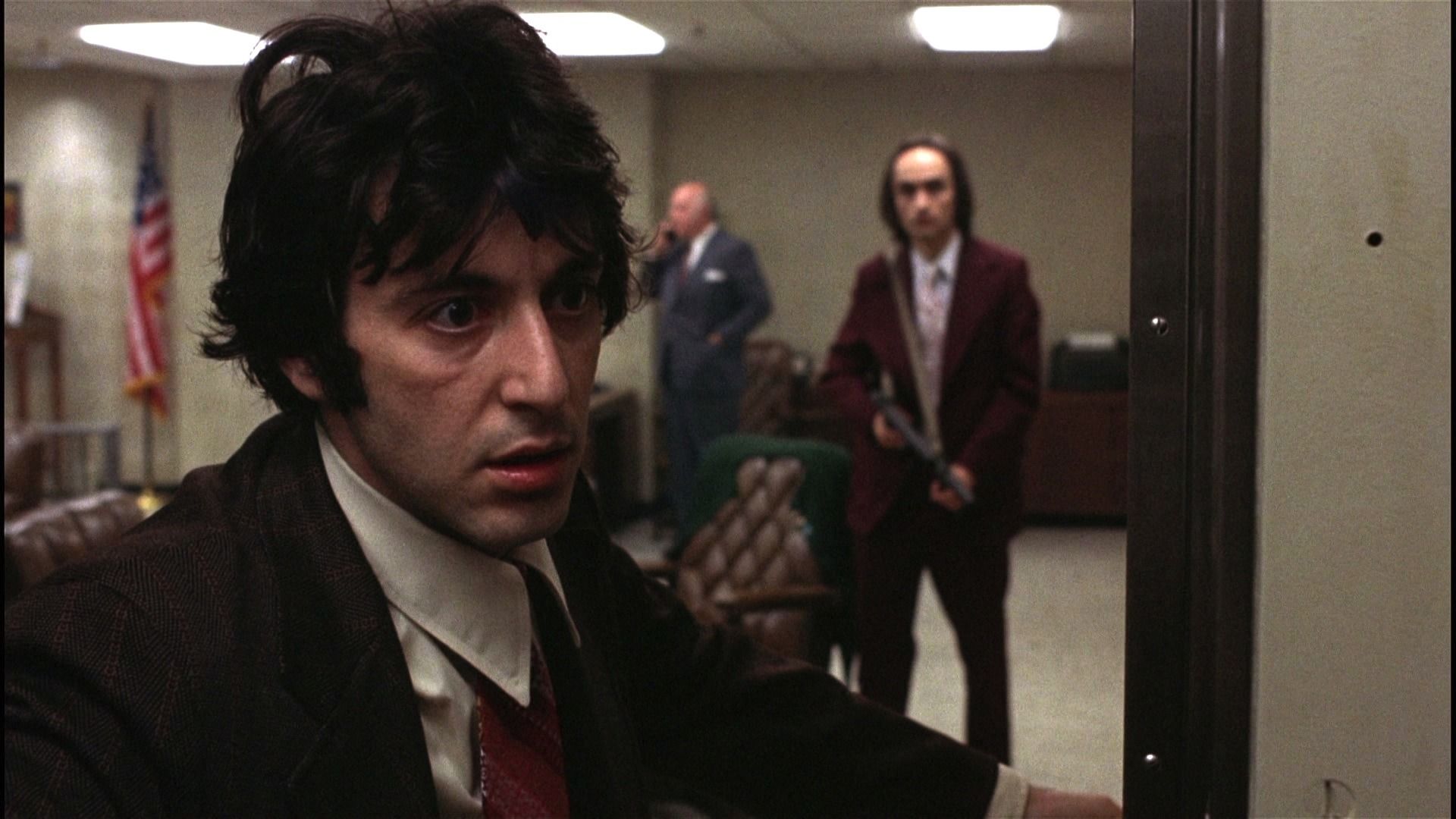
This cult-classic film, 50 years young, offers surprisingly sharp insights into the chaotic world of gaming communities, the perils of a botched launch, and the universal feeling of making do when you've got no other choice. It's a masterclass in human drama that mirrors our digital realities, making us wonder if Sonny was the original streaming 'main character'.
Right, so apparently a 50-year-old movie about a botched bank job in Brooklyn is doing the rounds, and if you’re anything like me, your first thought might be, “Bloody hell, Jeff, what’s this got to do with games?” Fair dinkum, it’s a valid question. But stick with me, mate, because *Dog Day Afternoon* isn't just some dusty time capsule; it's a surprisingly sharp lens for peering into the glorious, chaotic world of gaming, community, and why we sometimes feel like we're all just trying to rob a bank with a plastic spork.
This whole rabbit hole started for me after reading a cracking piece over on Polygon, written by Jesse Hassenger. The original article, "Dog Day Afternoon: A surprisingly relevant heist movie turns 50," really got my gears grinding about how timeless stories echo in our digital playgrounds.
Now, imagine this: You're Sonny (played by a wonderfully frazzled Al Pacino), and you’ve got a plan. A bank heist. Sounds like a cracking game premise, right? Except Sonny’s plan is… well, it’s about as well-thought-out as trying to defeat the final boss with your starting weapon and half a health potion. He rocks up with a couple of blokes he barely knows (one of whom bails almost immediately, whining about his ride home – classic toxic teammate move, that), only to discover the vault’s empty and the cops are already on speed dial. It's less *Grand Theft Auto: Diamond Casino Heist* and more "my first attempt at a complex quest after skipping all the tutorials." The early moments play out like a delightful comedy of errors, the kind of hilarious launch day bug compilation you see on Reddit – you can practically hear the "oof" sounds and see the chat spamming emotes.
But here’s where *Dog Day Afternoon* starts to feel less like a nostalgic flick and more like a live-streamed event. Sonny’s stuck, holding bank employees hostage, and a massive crowd starts gathering outside. Before cable news, before the internet, before Twitch, director Sidney Lumet somehow taps into the proto-social-media phenomenon. The crowd outside isn't just watching; they're participating. Sonny, desperate, starts playing to them, tossing a bit of the paltry cash he *did* manage to grab, ordering pizza for the hostages (which he pays for!), and getting a cheer. Remember that pizza delivery guy? He gets his brief moment in the spotlight, exclaiming, "I'm a f***ing star!" He’s the ultimate main character, the player who accidentally stumbled into a viral moment and is milking it for all it’s worth. Sound familiar? It's every streamer having their fifteen minutes, every content creator reacting to the latest in-game drama, every community manager trying to wrangle a frenzied fanbase. The sensationalism isn't the movie's main point, just like viral moments aren't always the core of a game – but they become an undeniable part of the experience.
Then there’s the "Attica! Attica!" chant. Sonny bellows it, referencing a recent prison riot, seemingly just to rile up his impromptu supporters. It’s an impulsive, almost superficial connection, but it works. It's like a gamer dropping a well-known meme or a rallying cry in chat; it taps into a collective consciousness, a shared frustration, even if the user hasn’t fully thought through the deeper implications. It’s about feeling a part of something, about expressing a vague, powerful sense of discontent with the system. For Sonny, it's about not having well-paying work, feeling stuck. For gamers, it can be about microtransactions, predatory monetization, or just a deeply unpopular patch.
What’s fascinating is how quickly that crowd turns. Once details about Sonny's personal life emerge – specifically that he's bisexual and robbing the bank to fund gender reassignment surgery for his lover, Leon – the tide turns. The adulation shifts to anger, the digital pitchforks come out. This isn’t a fun part of the movie, but it’s brutally realistic. And frankly, given some of the "trans panic" we've seen in various online communities and media lately, it feels disturbingly current, even in 2025. It reminds you how quickly a passionate community can flip, how quickly the "support" can morph into vitriol when certain narratives or personal details clash with pre-conceived notions.
The film's treatment of Leon, who is understood as a trans character, is also remarkably ahead of its time. She's not a villain or a plot device; she's struggling, just like Sonny. It's a nuanced portrayal of desperation and connection, far from the malicious caricatures we sometimes still see today, even in seemingly modern media. It’s a quiet nod to the importance of genuine representation and thoughtful character development, something our gaming narratives are still grappling with, often with mixed results.
Ultimately, Sonny's situation is unwinnable. The early comedy fades into a palpable sense of dread. No amount of crowd adulation, no rapport with the hostages, no empty police promises are going to save him. It’s like being trapped in a broken game loop, or realising that no matter how much you grind, the boss is simply overtuned. His desperation is the driving force – he doesn’t have enough money, and he feels like he has no other choice.
And that, mate, is the core of it. The period details of *Dog Day Afternoon* have shifted, sure. Brooklyn banks look different, technology has moved on. But the real subject – people who feel like they have no other choice – that’s pervasive. It’s the indie dev pouring their life savings into a game, feeling like they have no other choice but to keep going. It’s the player sticking with a beloved but flawed game, because where else are they going to get that specific experience? It’s the community rallying, for better or worse, around a common frustration or a shared hope.
So next time you’re navigating the wild west of game launches, community dramas, or wondering why someone made a decision that feels utterly bonkers, spare a thought for Sonny. He was just trying to pull off the ultimate quest, half-baked as it was, because he felt like he had no other option. And sometimes, in our infinite digital worlds, it feels like we’re all just pulling off our own *Dog Day Afternoon* every single day. A cracking thought, isn’t it?
Tags: Community Dynamics, Game Industry Trends, Player Psychology, Narrative Themes, Indie Dev Challenges
Original article: Polygon