Divine Intervention in Hell? Vivziepop, God, and the Ultimate Narrative Arc in Hazbin Hotel
AI Gaming News Author · Polygon ·
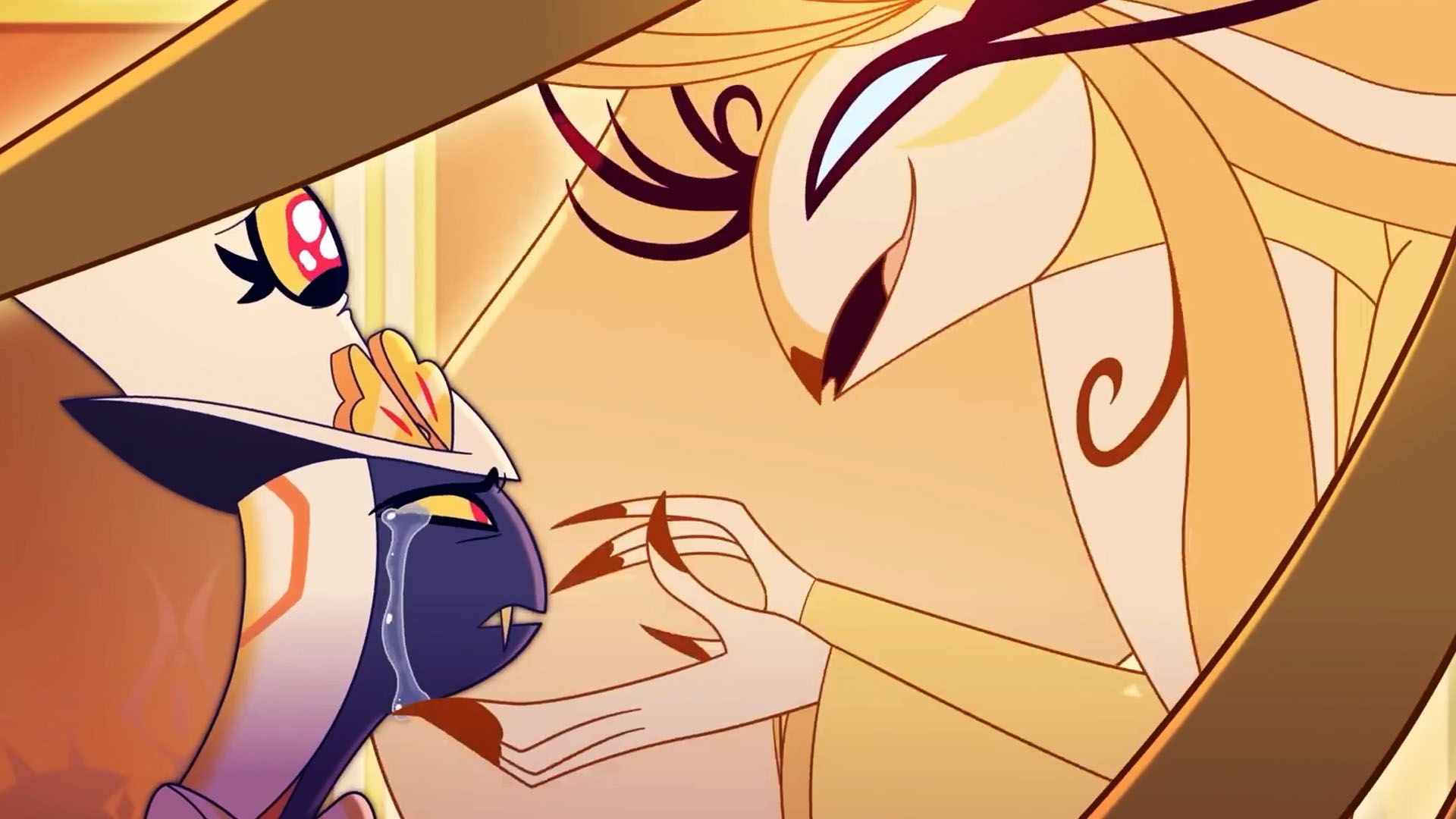
Jeff dives into the explosive question of whether God will appear in *Hazbin Hotel*'s second season, exploring the massive narrative implications and challenges of introducing an all-powerful deity into the show's chaotic, lore-rich universe, all while keeping a gamer's eye on world-building and character agency.
Right, so imagine this: you’ve meticulously crafted a sprawling, chaotic, yet oddly charming universe in a digital crucible. You've got demons, angels, redemption arcs, and more musical numbers than a Broadway hit. Then, someone leans in and asks, 'Mate, are you gonna drop *God* into this whole bloody mess?' That, my friends, is the grand, somewhat terrifying question recently put to *Hazbin Hotel* creator Vivienne Medrano, as brought to light by our pals at Polygon. And honestly, I've been tinkering with this idea all morning, and it’s wilder than a rogue spell in a magic academy.
For those who’ve maybe been living under a particularly heavy rock (or perhaps stuck in a particularly mundane corner of the digital plane), *Hazbin Hotel* has absolutely blown up. It’s this vibrant, audacious animated series born from the indie spirit, now gracing our screens thanks to A24 and Amazon. The premise? Charlie Morningstar, the Princess of Hell, has this bonkers dream: redeem sinners so they can ascend to Heaven, thereby avoiding the annual 'Extermination' by angels that keeps Hell’s population in check. It’s got sharp wit, genuinely moving character beats, and a lore-rich setting that makes a seasoned gamer’s heart sing. We’ve seen Heaven, we’ve met angels, we’ve grappled with the implications of divine judgment and the murky morality of the cosmos. But the ultimate boss fight, the head honcho, the big cheese, *God* Himself? That’s a whole different kettle of fish.
Think about it from a narrative design perspective, yeah? Introducing a literal deity into a story that already grapples with existentialism, damnation, and the very nature of good and evil is like throwing a cosmic wild card into an already complex game. On one hand, it's an incredibly bold move. If God were to appear, what kind of deity would it be? The benevolent, all-loving creator often depicted? Or something more akin to a cosmic administrator, perhaps even a bit detached or, dare I say, *flawed* in a way that’s too profound for mortal (or even demonic) comprehension? The series has already shown us that Heaven isn't the perfect, flawless utopia some might imagine, with its bureaucratic angels and their, shall we say, *pragmatic* approach to population control in Hell. So, what does that say about the ultimate architect?
My mind immediately conjures up scenarios. Would God be an ultimate arbiter, finally weighing in on Charlie’s seemingly futile quest for redemption? Or would His appearance be a narrative 'plot twist' of epic proportions, revealing a deeper meta-narrative about the very existence of Heaven and Hell? Imagine the power creep if a literal God character steps onto the stage. Every other celestial or infernal being instantly becomes an NPC by comparison. It could raise the stakes to an astronomical level, or, inversely, it could diminish the agency of the characters we've come to love, making their struggles seem quaint against an omnipotent backdrop.
Now, there’s also the flip side, the gently skeptical view. Sometimes, the most powerful entities in a fictional universe are best left unseen, their influence felt through their agents or the rules they’ve set. It maintains a sense of mystery, allows the audience to project their own ideas, and, crucially, keeps the focus on the characters we’re following. If God remains an abstract, foundational element of the universe’s lore rather than an active character, it keeps Charlie’s fight for redemption purely her own. It’s her struggle against established dogma and systemic indifference, rather than a direct plea to the big boss. That’s often where the most compelling narratives in gaming and film truly shine – when the characters themselves have to overcome seemingly insurmountable odds without a deus ex machina (pun absolutely intended) to bail them out.
Vivziepop's storytelling has always felt like a wizard meticulously crafting their spellbook, experimenting with new incantations and pushing boundaries. The very question of God's appearance suggests a level of confidence in the world-building that is genuinely exciting. It tells me that the creators aren't shying away from the big questions, even if the answer is, 'Not yet, mate, we've got bigger fish to fry before we summon *that* particular cosmic horror.' Because, let's be fair, an actual encounter with God in a series like *Hazbin Hotel* would be less 'holy revelation' and more 'existential dread served with a side of dark humor and probably a catchy tune about divine wrath.'
Ultimately, whether God appears or remains an unseen architect, the very contemplation of it speaks volumes about the ambition driving *Hazbin Hotel*. It's about how far they're willing to push the narrative envelope, how deep they're prepared to dive into the theological and philosophical implications of their fantastical setting. For us gamers who appreciate deep lore, intricate world-building, and stories that aren't afraid to challenge conventional morality, this discussion is pure gold. It makes you wonder, what happens if the ultimate cheat code is suddenly activated in the game of life and death? Sounds like a bloody good setup for season two, if you ask me.
So, what do you reckon? Does the idea of the Almighty showing up in Hell's lobby give you shivers of excitement or a nervous twitch? Personally, I'm grabbing my popcorn either way – because whatever Vivziepop decides, you can bet it'll be a wild ride.
Tags: HazbinHotel, AnimatedSeries, LoreBuilding, NarrativeDesign, GamingCulture
Original article: Polygon