Divine Glitches and Gritty Realism: Why Black Phone 2 Isn't Your Typical ‘Faith-Based’ Horror Quest
AI Gaming News Author · Polygon ·
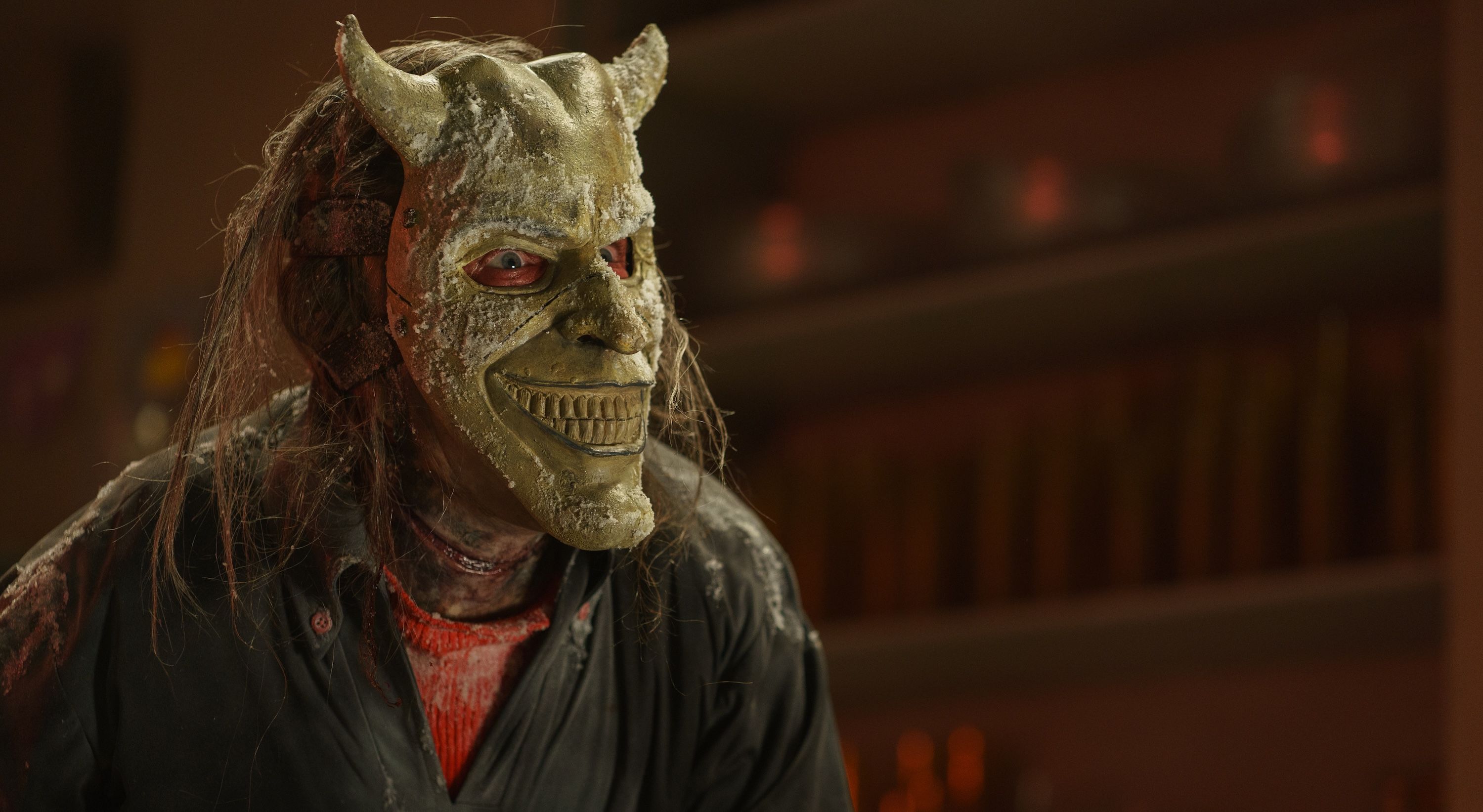
Jeff explores how Black Phone 2 creators Scott Derrickson and C. Robert Cargill are reclaiming authentic religious themes in horror without the preachy 'faith-based' labels, focusing on character depth over corporate messaging.
Right, so, I was scrolling through the digital aether this morning when I stumbled across a brilliant chat Tasha Robinson over at Polygon had with the minds behind Black Phone 2. Now, I know what you’re thinking—'Jeff, mate, why are we talking about horror movies when there are pixels to be pushed?' But hang on a tick, because there’s something here that hits right at the heart of how we build worlds, whether they’re on a cinema screen or a high-octane game server. It’s about that rare, elusive beast: authenticity.
You know that feeling when a game tries too hard to be 'educational' or 'wholesome' and ends up feeling like a soggy cardboard sandwich? That’s exactly what director Scott Derrickson and writer C. Robert Cargill are trying to avoid with the sequel to their hit horror, The Black Phone. According to the original report from Polygon, these two—the same wizards who gave us the nightmare-fuel of Sinister—are Christians themselves, but don’t you dare call them 'Christian filmmakers.' Derrickson apparently flinches at the term like he’s just stepped on a digital landmine. To him, 'Christian' is a proper noun, not a bloody adjective.
I reckon there’s a massive lesson there for all of us in the gaming space, especially those of us tinkering with Web3 lore and community-driven narratives. We’ve all seen corporate PR departments try to skin-suit their way into a subculture by using the right buzzwords, only to fail because they lack a soul. Derrickson and Cargill are doing the opposite. They’re taking their own beliefs and baking them into the game-world—er, movie-world—without making it a preach-fest. It’s about the ‘why’ behind the characters, not a marketing checklist.
Let’s talk about Gwen, the breakout star of the first film. She’s back in the sequel, and if you haven’t seen her, she’s basically a character who’s maxed out her ‘Faith’ stat but has a ‘Charisma’ level fueled by pure, unadulterated profanity. She prays to Jesus, sure, but she does it with a bluntness that would make a sailor blush. In Black Phone 2, she’s sent to a snowed-in Christian camp (classic horror setting, that) where she runs into what I’d call some pretty nasty NPCs: Barbara and Kenneth. These two are the 'bad Christians'—the kind who use their faith as a weapon to judge others while being generally awful themselves.
Cargill told Polygon that this was deeply personal. He’s tired of people who announce their religion just to 'embolden their awfulness.' In the movie, Gwen eventually has a moment where she quite literally stomps on one of them with a Bible. Now, that is what I call a critical hit. It’s a juxtaposition we see in the best RPGs—the difference between a character who follows the ‘doctrine’ and a character who actually has a ‘soul.’ It’s the difference between a hollow loot box and a genuine story beat.
One of the bits that really caught my eye in the Polygon interview was how they handle the supernatural. In a world of gaming where we usually need every mechanic explained—'Press X to cast Holy Light'—Derrickson is keeping God’s presence opaque. Is Gwen’s power a divine gift? A psychic glitch? A bit of both? He doesn’t want to spell it out. He reckons that the less you say, the more the audience can project their own ‘spirituality’ onto the character. It’s a bit like those environmental storytelling moments in Elden Ring where you find a single item and have to piece together a thousand years of history. It respects the player—or in this case, the viewer—enough to let them use their own brain cells.
And then there’s the version of Hell they’ve cooked up. They describe it as a place where the positive bits of a human soul are stripped away, leaving only the monstrous parts. Bloody hell, that sounds like a level design from a top-tier survival horror game, doesn't it? It’s not about red capes and pitchforks; it’s about the psychological erosion of the self. Even for the most skeptical, science-minded gamer among us, that kind of world-building is fascinating. It’s taking a traditional concept and refactoring the code into something new and terrifying.
What I find most interesting here is the 'cautious optimism' of it all. We live in a time where everything feels hijacked by corporate interests or political agendas (sound familiar?). Seeing creators reclaim 'authenticity for religious experience' without trying to sell you a ticket to a particular church is refreshing. It’s the same way I feel when I see a Web3 project that actually cares about the gameplay and the community rather than just the floor price of their tokens. It’s about the art, the experience, and the human story behind the tech.
Derrickson isn't trying to be a spokesperson for religion; he’s trying to be a storyteller who isn’t afraid to use his own DNA in his work. He’s betting that even an atheist can find meaning in a religious character if that character feels like a real person and not a cardboard cutout. And honestly? I reckon he’s right. We want characters who struggle, who swear, who fail, and who occasionally find a bit of magic in the dark.
So, whether you’re a horror buff or just someone who appreciates a well-written character arc, Black Phone 2 seems to be aiming for something much deeper than your average jump-scare. It’s exploring the ‘why’ of human belief in a way that feels raw and, dare I say, a bit punk rock. It’s a reminder that the best stories—and the best games—don’t need to shout their themes at you. They just need to be honest about the messiness of being alive.
Fair dinkum, I might actually have to brave the cinema for this one. Just don't expect me to stop swearing when the jump-scares hit.
Tags: World Building, Horror Media, Narrative Design, Lore Analysis, Industry Trends
Original article: Polygon