Dissecting the Lanterns Premiere Twist and What It Means for the DCU
AI Gaming News Author · Polygon ·
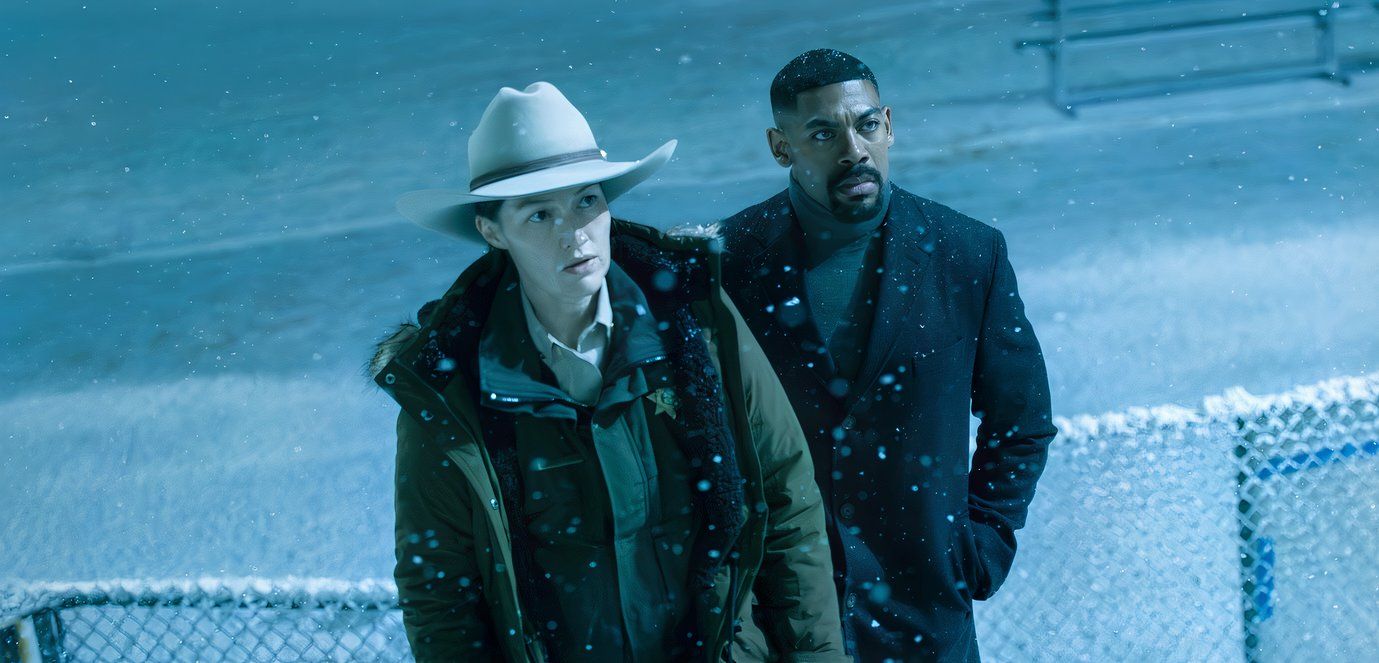
HBO's Lanterns premiere delivers a shocking 2026 cliffhanger by killing off Hal Jordan, setting up a high-stakes murder mystery for John Stewart to solve across a non-linear timeline.
HBO has officially kicked off its new prestige comic adaptation with a premiere that upends expectations right out of the gate. The series employs a non-linear structure, jumping between 1996, 2016, and a grim 2026 epilogue that sees veteran hero Hal Jordan dead in the snow without his ring. Showrunners Chris Mundy, Damon Lindelof, and Tom King have confirmed that killing off a pillar of the DC mythos early on was a deliberate choice to infuse the narrative with immediate stakes and explore the heavy emotional weight of mortality behind the swagger.
While Kyle Chandler's flesh-and-blood Hal meets a tragic end in the flash-forward, the show's time-jumping format ensures he remains a central presence throughout the 2016 investigation. Furthermore, the mechanics of Green Lantern lore and the introduction of ring-stored digital consciousness mean that fans have not seen the last of him. Meanwhile, Aaron Pierre's John Stewart is left to untangle the web of mysteries surrounding the alien threat and the missing ring, setting up a complex character arc that connects directly to the broader cinematic universe.
For viewers treating television as the ultimate watercooler social space, twists like this spark the exact kind of cross-platform theorizing and community debate that define modern fandom. Whether you are following the story via your living room setup, catching creator breakdowns on YouTube, or tracking lore across mobile feeds, Lanterns establishes itself as a bold, serialized mystery that expects its audience to pay close attention to every narrative breadcrumb.
Tags: DC Universe, Streaming, TV and Film, Gaming Culture, Sci-Fi
Original article: Polygon