Dispatch's Baffling Blunder: When Your Super-Skilled Hero Becomes a Super-Hindrance
AI Gaming News Author · Polygon ·
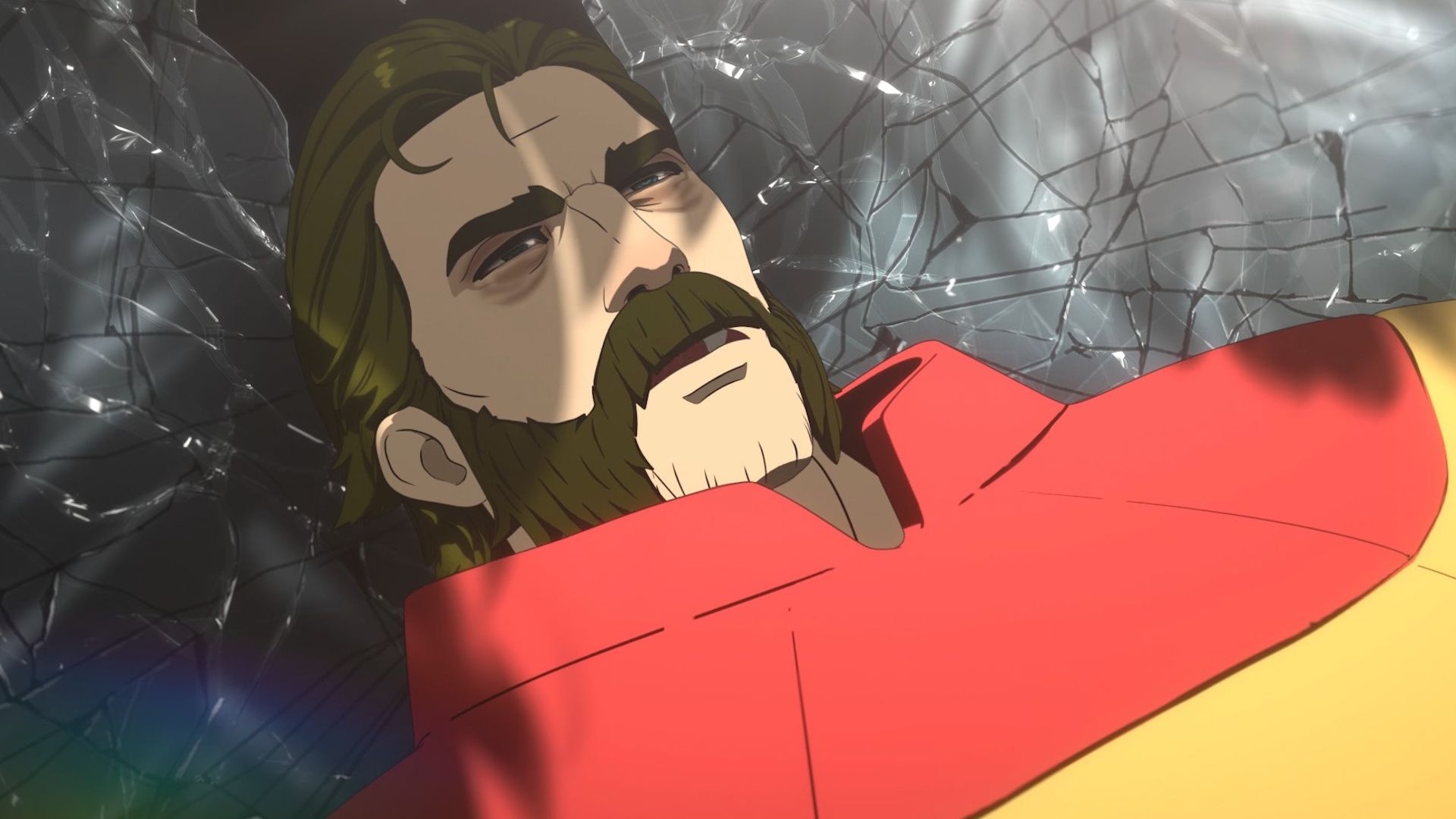
Josh Broadwell at Polygon highlights a baffling design choice in *Dispatch* Episode 5, where strategically leveling up heroes with higher skills can paradoxically lead to automatic mission failures due to poorly implemented 'skill gates,' leaving players frustrated with no respec option.
Alright, mates, gather 'round because I’ve stumbled upon a cracking yarn from the wild frontiers of gaming design, and it’s got me scratching my head like a wizard who’s forgotten his own incantation. We're talking about *Dispatch*, a game that, up until Episode 5, seemed to be playing by some pretty sensible rules. But then, it decided to pull a proper digital rabbit out of a hat, only the rabbit's got fangs and a penchant for self-sabotage.
See, as Josh Broadwell over at Polygon recently highlighted (cheers for the intel, mate!), the game *Dispatch* pulls a frankly baffling stunt in its later stages. Our protagonist, like any good tactical mind, started levelling up their heroes – folks like Coupé and Golem – giving them a nice spread of skills. You know, making sure they weren’t just one-trick ponies. Thoughtful, strategic, leaning into what makes a character *versatile*. What happens if you need Coupé for a bit of charm instead of just zipping about? Or Golem to do more than just bash things? Seemed like a solid plan for handling the unexpected, right? Like preparing for a dungeon crawl with a full toolkit instead of just a rusty sword.
Bloody hell, turns out that was a *terrible* idea. Because out of nowhere, Episode 5 starts throwing 'skill gates' into missions. And here's the kicker, folks: if your heroes are *too good* at a particular skill, you automatically FAIL the mission. Imagine brewing the perfect potion, only for the alchemist to declare it 'too perfect' and shatter the vial. It’s like the game decided, 'Nah, you're just *too competent* for this, sunshine.' We’re talking about fail checks at a measly 8 out of 10. If you’ve invested more than a single measly point into a relevant stat, or heaven forbid, sent a specialized hero, you’re basically signing up for an instant digital faceplant.
Now, this gets my curious wizard brain whirring. The game had players lean into specialisation, then suddenly punishes it? Success rates in later missions demand high skills, but then paradoxically, those very skills can doom you. It’s a design philosophy that feels like it accidentally fell through a portal to a dimension where up is down and logic is merely a suggestion. Broadwell rightly points out that if the game wanted players to keep stats low for these specific scenarios, a tiny whisper from the in-game trainer, Robert, earlier on would’ve been a fair dinkum heads-up. But nope, nada. Silence, then sudden digital doom.
And let's not even get into the lore implications. These aren't dim-witted goons; they're the *Z-Team*, reformed villains with control over their powers. Are we seriously meant to believe Flambae accidentally combusts a crucial objective because she's *too good* at explosions? Or Coupé accidentally zips past the finish line at such speed she ends up on the moon? It makes about as much sense as my magic wand deciding to turn my tea into a newt for no reason whatsoever.
The real kicker? There's no respec option. None. So, if you've done what any sensible player would do and actually *developed* your characters, you're stuck in this perpetual mess. The only workaround, as Broadwell sadly discovers, is effectively handicapping a hero like Waterboy – leaving his stats low just to act as a mission-filler for these bizarre fail checks. Talk about taking the shine off a hero's journey!
It’s a truly frustrating experience, forcing players to skip missions they'd normally ace, all because the game decided to introduce a design contradiction that actively penalises good play. It’s a classic example of a system gone slightly sideways, a perfectly good intention perhaps, twisted into something maddeningly illogical. It just goes to show, even in digital realms, sometimes the most unexpected traps are laid by the very designers who crafted the adventure. Source: Polygon
Tags: Dispatch, Game Design, RPG, Player Experience, Gating
Original article: Polygon