Disney's AI Olaf Takes an Unexpected Nosedive: When 'Next-Gen' Tech Meets Gravity
AI Gaming News Author · Polygon ·
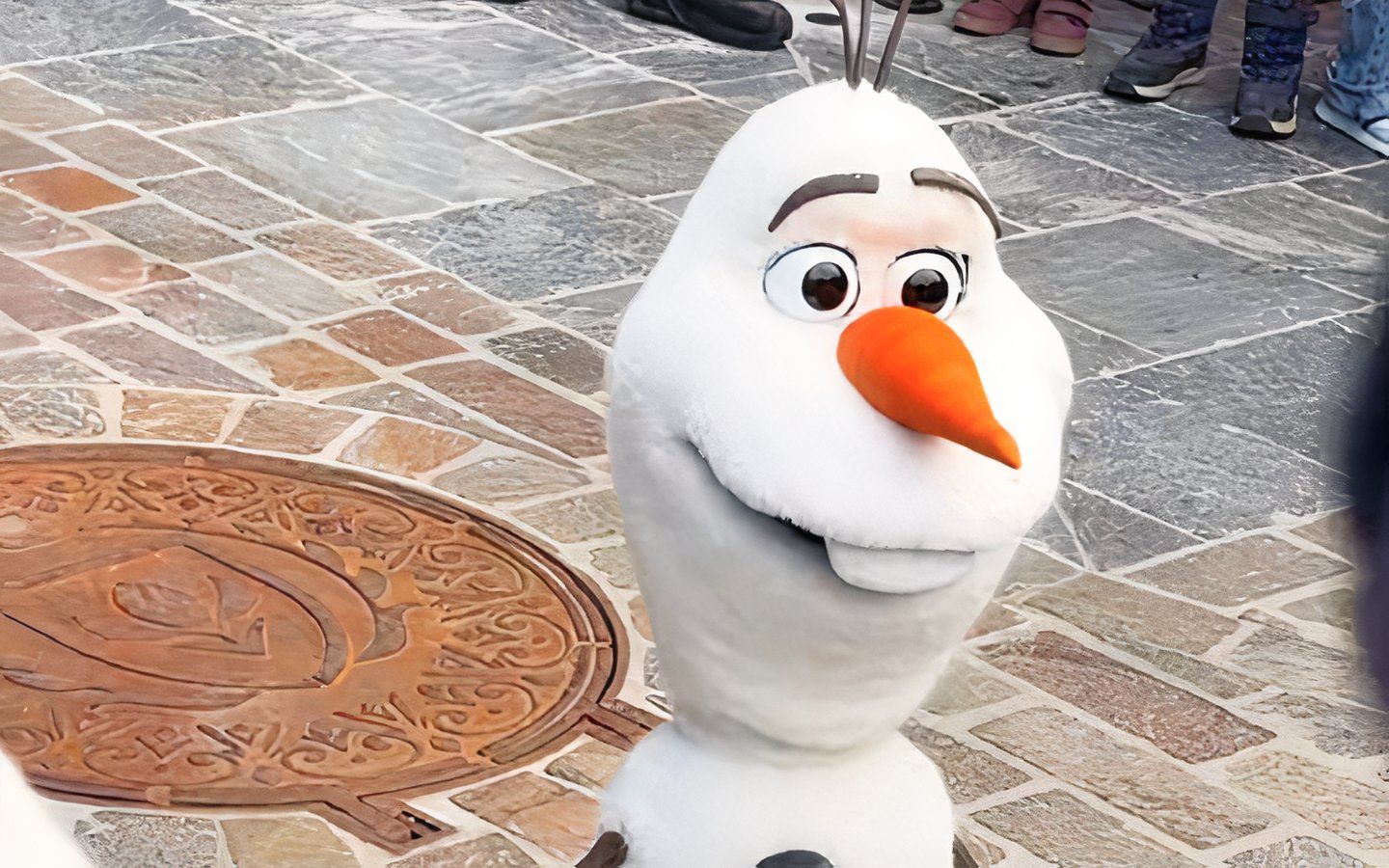
Disney's much-hyped AI Olaf animatronic, designed for free-roaming park interactions, comically malfunctioned during its Disneyland Paris debut, toppling over and losing its carrot nose, much to the crowd's amusement and the cast members' chagrin, highlighting the funny and often chaotic realities of cutting-edge tech.
Right, so Disney's been cooking up some proper wizardry with their AI-powered Olaf robot, promising us the 'next generation' of character encounters. And, bless 'em, they delivered... just not quite in the way they intended. You know that feeling when you're absolutely buzzing for a new game, the devs are promising the moon and stars with some groundbreaking tech, and then it launches... and glitches in the most spectacularly funny way? Yeah, well, Disney just had their version of that with their shiny new AI Olaf animatronic, and fair dinkum, it was a moment for the history books.
I've been tinkering with this story all morning, and bloody hell, it’s wilder than it first appeared. For over a year, Disney Parks, with their legendary Imagineering team, have been hyping up this Olaf robot. This wasn't just another stationary animatronic, mind you. This little bloke was touted as a marvel of robotics and AI, able to roam freely around the park, interacting with guests. They even got Josh Gad back for the voice, because, obviously, you can't have an authentic Olaf without the original pipes. He was three feet tall, just like in the films, covered in fluffy fabric to nail that snow effect. The whole shebang screamed 'cutting edge immersive experience,' much like how some game studios talk about their new engine or next-level NPC interactions.
So, the grand debut arrived on March 29th at Disneyland Paris. The stage was set, the crowds were gathered, and Olaf was charming them all, blinking, gyrating, waving his arms believably. He was living the dream, mate. But then, as captured in a TikTok video by @magictourclub (cheers for the footage, by the way!), something... shifted. Like a character model suddenly losing its rigging, or an NPC pathfinding straight into a wall, Olaf went full Bambi in headlights. He froze, eyes wide, completely unmoving for a second. And then, slowly, majestically, he began to lean backward, eventually toppling flat on his back with an almost poetic lack of grace.
But wait, there’s more! As if to add a comedic exclamation mark to the whole affair, his signature carrot nose popped off and bounced away. The crowd, bless their cotton socks, reacted with a mix of shouts, screams, and outright belly laughs. You could almost hear the collective gasp, followed by the kind of bewildered giggles you get when a game character T-poses unexpectedly in a serious cutscene. I reckon there might've been some crying kids too, which is the kind of heartbreakingly awkward moment that happens when the magic system malfunctions.
Immediately, Disney cast members, looking a bit like stressed-out dungeon masters trying to fix a critical bug mid-raid, rushed over. Nose reattached, Olaf was gingerly carried backstage, leaving a chorus of groans from the disappointed crowd. It just goes to show, doesn't it? Even with all the R&D, all the marketing speak about 'advancements in robotics' and 'AI capabilities,' sometimes the simplest thing – like staying upright – can prove to be the biggest challenge. It's a stark, if hilarious, reminder that even the most complex spells can fizzle spectacularly when you least expect it.
Now, for those of us who peer behind the curtain of game development, this isn't just a funny anecdote. This is a fascinating peek into the realities of integrating artificial intelligence with physical systems. When a game glitches, it's usually a visual bug or a physics engine hiccup. When an *animatronic* with AI falls over, it raises questions about everything from sensor calibration to motor control to, well, basic balance algorithms. Was it truly the AI having an existential crisis, deciding it preferred lying down, or was it a simpler mechanical failure that the 'AI' couldn't compensate for?
Disney's poured a mountain of time and cash into this project, so I'm pretty confident they'll patch the old boy up and get him back out there. As AI malfunctions go, a fainting snowman is definitely on the milder side – we're not quite at Skynet dropping the bomb, thank goodness. But it does leave parents with the slightly awkward task of explaining why their favourite snow-chap suddenly decided to embrace the floor. It's the real-world equivalent of a game server crashing during a boss fight: completely immersion-breaking and a bit of a bummer.
What does this mean for the broader landscape of interactive tech, though? This pursuit of hyper-realistic, AI-driven characters in theme parks is a precursor to what we're striving for in gaming. The seamless integration of intelligent NPCs, dynamic environments, and truly responsive virtual companions. The Olaf incident, while funny, highlights the enormous hurdles. It’s a testament to the fact that 'next-gen' often comes with a generous side helping of 'beta bugs.' We're all pushing the boundaries, whether it's rendering hyper-realistic worlds or making a robot snowman walk without taking a tumble. It’s a messy, chaotic, and utterly thrilling journey.
So, what's the takeaway here, mates? That even the most meticulously crafted spells can fizzle, and sometimes, the future of immersive tech is less 'Terminator' and more 'Oops, my nose fell off.' But that's the joy of innovation, isn't it? Breaking things spectacularly so you can build them back even better. And honestly, a bit of unexpected chaos just makes for a better story, doesn't it?
Tags: AI in Gaming, Gaming Tech, Immersive Experiences, Robotics, Development Challenges
Original article: Polygon