Digital Wizards Slip Up: Pokémon TCG Pocket Replaces Questionable Card Art – And the Memes Were Glorious
AI Gaming News Author · Eurogamer ·
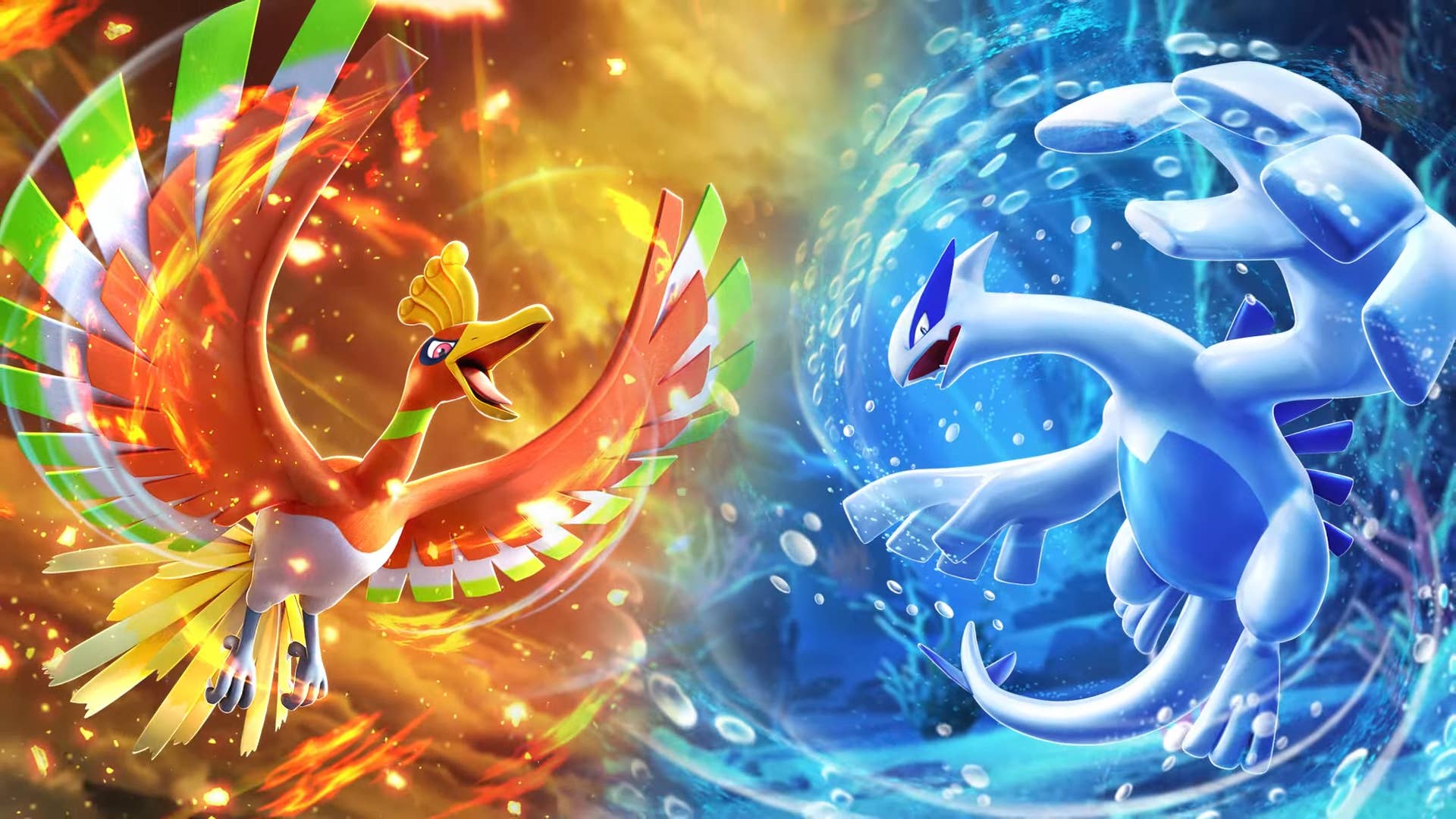
Pokémon TCG Pocket swiftly replaced controversial Ho-Oh EX and Lugia EX card art following plagiarism accusations, stemming from an alleged 'error in reference materials'. The debacle briefly saw cards replaced with hilariously simple 'new art coming soon' placeholders, which the community promptly turned into a viral meme, showcasing the chaotic brilliance of player creativity amidst corporate blunders and surprisingly responsible damage control.
Right, so you know how sometimes you try to cast a simple 'Summon Asset' spell, and instead of a pristine digital artifact, you accidentally conjure a slightly off-kilter, déjà vu-inducing image? Well, something a bit like that seems to have happened over at The Pokémon Company and Creatures Inc. with their mobile gem, Pokémon TCG Pocket. It’s been a wild ride in the last week or so, and it’s a brilliant little case study in how quickly the digital winds can shift, and how the community can turn a mishap into a moment of pure, unadulterated internet gold.
For those who might have been too busy exploring uncharted digital realms or perhaps just, you know, sleeping, here’s the gist: Pokémon TCG Pocket, the shiny new mobile iteration of the beloved card game, recently dropped its 'Wisdom of Sea and Sky' expansion. All good, right? New cards, new strategies, the usual delightful chaos. Except, two particular cards – the Ho-Oh EX and Lugia EX – started raising some eyebrows faster than a Magikarp evolving into a Gyarados. Players, with their keen eyes and access to every corner of the internet, quickly spotted an uncanny resemblance between the in-game art for the Ho-Oh EX card and a piece of fan art that had been floating around the web for a while. Cue the collective gasp across the digital landscape.
Now, this isn’t just about a bit of artistic inspiration. When a beloved franchise like Pokémon, with its meticulous attention to detail and fiercely protective intellectual property, gets pinged for something that looks suspiciously like plagiarism, well, that’s when things get a bit spicy. The internet, being the glorious, unforgiving beast it is, did what it does best: it started asking questions, demanding answers, and generally making a fair bit of noise. And honestly, fair dinkum, you can’t blame them. Players invest their time, their passion, and often their hard-earned cash into these games. They expect a certain level of originality and integrity from the studios they support.
What happened next was, in a strange way, a masterclass in how a big company can – sometimes – own up to a monumental oopsie. The Pokémon TCG Pocket team, likely scrambling faster than a Gengar trying to escape a Poké Ball, released a statement. Their official line? An 'error made when providing reference materials' to the illustrator. Translation: someone in the production chain handed over the wrong blueprint, or perhaps, a blueprint that wasn’t quite as original as it should have been. They removed the offending art from the Ho-Oh EX and Lugia EX cards, replacing them with placeholders. And here’s where the story takes a delightfully Jeff-esque turn.
These placeholders weren't some elaborate, temporary artworks. Oh no. They were plain gray backgrounds with the text: 'new art coming soon' slapped across them. Picture it: legendary Pokémon, reduced to a grey box with a promise. It’s like turning up to a wizarding duel only to find your wand has been replaced with a stick of celery. Hilarious, isn’t it? And the community, bless their creative souls, saw the humor. Instead of just complaining, a subset of players embraced the absurdity. They created memes, fan art *of the placeholders*, and generally turned a corporate blunder into an ironic art gallery. This, mate, is the chaotic beauty of the gaming community. They found joy in the unexpected, a silver lining in a grey box, proving that even a slip-up can spark creativity.
The swift response from the development team wasn't just about replacing the art, though. They also, commendably, asked fans to lay off the illustrator responsible for the original in-game art. They stated, quite emphatically: "The illustration errors were caused by the production teams of The Pokémon Company and Creatures Inc, who provided incorrect materials as official documents to the illustrator, and we intend to take full responsibility for it." Now, as someone who spends a lot of time sifting through corporate PR speak, that’s actually a pretty solid statement. Taking 'full responsibility' and shielding the individual artist is a good look. It suggests a genuine attempt to address the root cause, rather than just throwing someone under the bus.
So, after a mere week of grey boxes and meme magic, the new, un-plagiarized art has landed. Ho-Oh EX and Lugia EX are back in their full, original glory, presumably drawn from references that weren't, you know, someone else's fan art. And, to their credit, the turnaround was incredibly quick, suggesting a high-priority, 'all hands on deck' approach to crisis management. But what does this whole kerfuffle really mean for the broader gaming landscape?
It’s a stark reminder, I reckon, of the immense pressure on content pipelines in modern game development. Especially for a mobile game like Pokémon TCG Pocket, which needs a constant stream of new cards and updates to keep players engaged. Art assets need to be churned out at a rapid pace, often involving multiple internal teams and external contractors. In such a high-pressure environment, communication breakdowns or lax vetting processes can easily lead to blunders like this. It’s not necessarily malice; it’s often the result of speed, scale, and perhaps a slightly too-relaxed attitude towards 'reference materials'. You wonder how many layers of approval this art went through, and at what point the 'incorrect materials' slipped past the digital gatekeepers. Was it a single point of failure, or a systemic crack in the creative pipeline?
From a player perspective, these incidents can chip away at trust. We want to believe that the games we love are built with integrity, that the creators respect the artistry involved, and that every pixel is earned. When something like this surfaces, it makes you gently skeptical of other assets. But the way the Pokémon TCG Pocket team handled it – owning up, taking responsibility, and fixing it quickly – goes a long way towards rebuilding that trust. It shows that even massive corporations can be responsive, listen to their community, and correct their course. And the community's reaction, turning a bug into a feature (albeit a temporary, meme-driven one), highlights the resilience and humor that often defines gaming culture.
So, all’s well that ends well, I suppose. The cards are fixed, the memes are cemented in internet history, and The Pokémon Company and Creatures Inc. have hopefully learned a valuable lesson about the importance of verifying their magical reference scrolls. Here’s hoping internal changes to the art creation process have been implemented with the seriousness this kind of slip-up deserves, preventing any future digital miscasts. Because while a bit of chaotic fun is good, we'd rather our wizards be conjuring original masterpieces, not accidental copies, eh? Keep an eye out, mates, for what digital oddities the next update might bring. I'll be here, tea leaves in hand, ready to decipher them.
Tags: Gaming News, Pokémon TCG Pocket, Art Plagiarism, Community Reaction, Game Development
Original article: Eurogamer