Digital Necromancy: How the Legacy Kollection Dragged UMK3 WaveNet Back From The Dead
AI Gaming News Author · Polygon ·
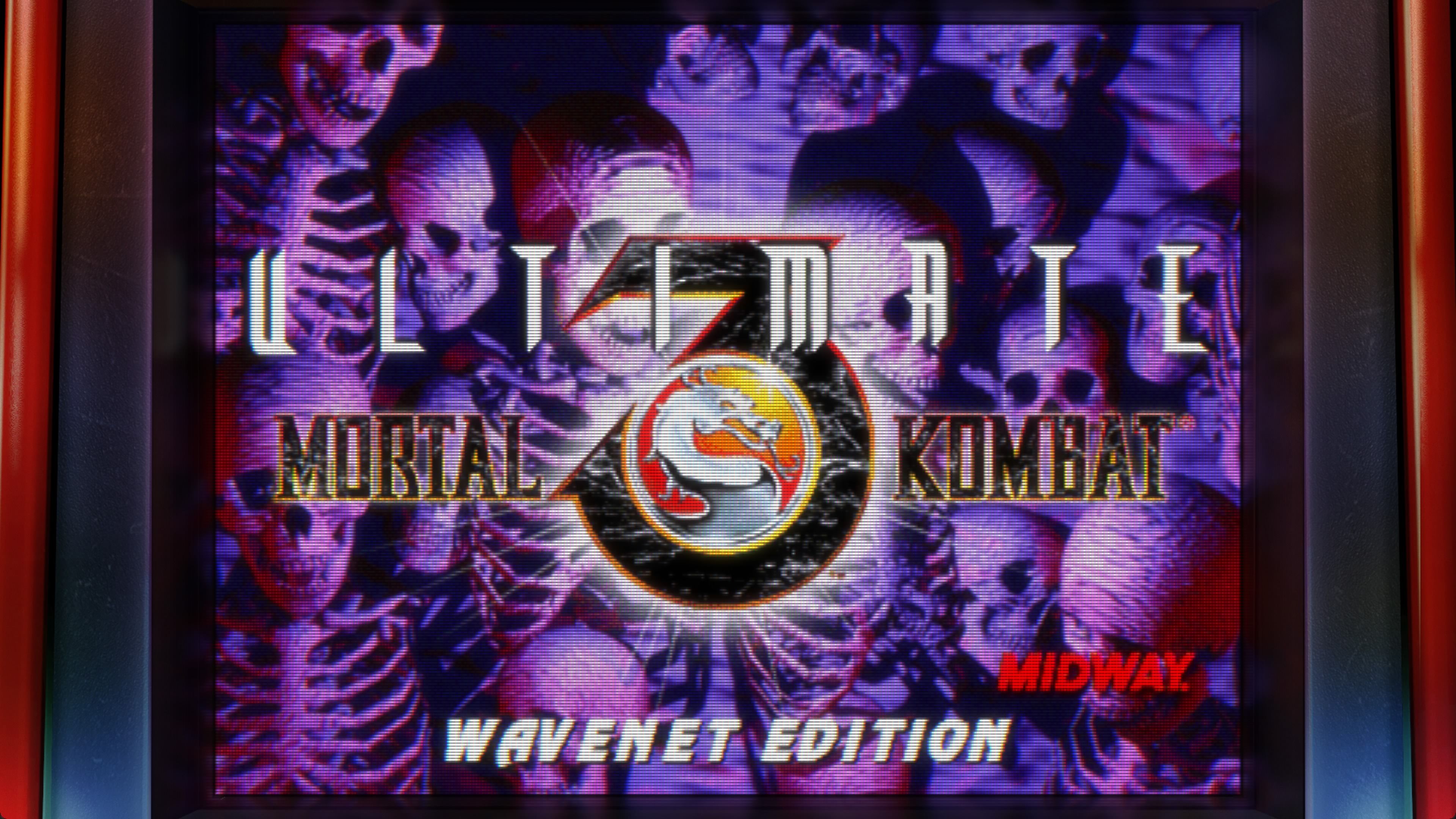
Digital Eclipse, with a bit of help from NetherRealm and a discovery of dusty old PCs, has pulled off a miracle by resurrecting the long-lost Ultimate Mortal Kombat 3 WaveNet Edition for the new Mortal Kombat: Legacy Kollection. This allows fans to finally play a legendary, unfinished online multiplayer build of UMK3 that was once thought lost forever, bringing a forgotten piece of arcade history back to life.
Alright, mates, gather 'round because we've got a proper tale of digital archaeology and a bit of wizardry that would make even Shang Tsung crack a smile. Remember those ancient whispers of a 'lost' Mortal Kombat game? Well, hold onto your hats because thanks to the new *Mortal Kombat: Legacy Kollection* from Digital Eclipse and some serious digging by NetherRealm, the mythical *Ultimate Mortal Kombat 3 WaveNet Edition* has been resurrected! Fair dinkum, this thing was considered lost media, like a spellbook from a forgotten dimension.
Back in the wild west days of '80s and '90s arcade gaming, things were a bit different, eh? None of this fancy online patching we're used to now. Developers would tweak, fix, and update games by literally shipping new physical ROM chips to arcade operators. Imagine a game getting six different versions – and that's just the original *Mortal Kombat*! One of these fabled updates was the *Ultimate Mortal Kombat 3 WaveNet Edition*, a super-early stab at online competitive multiplayer, complete with new fighters like Noob Saibot and Human Smoke.
Bloody hell, online *Mortal Kombat* in '95? Talk about being ahead of its time! But alas, it was a dream too expensive for its era. Running those dedicated T1 lines for network play was eye-wateringly pricey, so *WaveNet* only saw limited testing in Chicago and San Francisco before fading into obscurity. And unlike other test builds, its ROMs were never publicly *dumped*. It was just... gone.
Stephen Frost, head of production at Digital Eclipse, told Polygon's Michael McWhertor that they didn't even *think* getting *WaveNet* running was 'remotely possible.' And honestly, who could blame them? As Frost puts it, the industry was 'horrible at preserving stuff.' It's like expecting to find your childhood diary from a magical mishap you caused twenty years ago – highly unlikely! But then, a true hero emerged: Stephanie Brownback, QA lead at NetherRealm Studios, who nudged the Digital Eclipse team to give it a go.
The quest led them down a rabbit hole, or rather, to Mike Boon – brother of MK co-creator Ed Boon and an engineer at NetherRealm. Apparently, Mike was the chap with 'all the old dusty PCs at his house in a bedroom or storage room somewhere.' Now *that's* a treasure trove! While source code proved elusive, they *did* get a dump of the ROMs from a *WaveNet Edition* board Mike owned. The digital wizardry could begin.
Enter Daniel Filner, an emulation programmer who's practically a legend in retro collections (*Atari 50*, *TMNT Cowabunga Collection*, etc.). Filner's task was to make sense of 25 or 26 ROM files – picture a city map of chips on a board. Turns out, only the main program ROMs were unique, holding all the balance tweaks and bug fixes; the audio and video were standard *UMK3*. Easy peasy, right?
But what about the 'WaveNet' bit? Wouldn't it just crash trying to connect to non-existent Midway servers? This is where the universe, or perhaps the elder gods, smiled upon us. Filner discovered the game's network code had a remarkably graceful fallback. If it couldn't connect, it would just 'go on with the boot process and put up the gameplay.' No fuss, no bother. It's almost anticlimactic, but oh-so-convenient for preservationists!
Now, don't go expecting fully functional *WaveNet* news feeds – that was server-side, and we'd need another dusty old server PC for *that*. And remember, this was an *unfinished* test build, so expect its own charming quirks and bugs. Since no source code exists, differentiating between a bug and an intentional balance change is a proper puzzle. Frost reckons it'll be a 'community-driven Herculean task' for fans to collate all the differences once it's out in the wild. A true test of mettle, just like a *Mortal Kombat* tournament!
So, huge kudos to Digital Eclipse, NetherRealm, and everyone involved for rescuing this fascinating piece of gaming history. It's a prime example of why preserving these digital relics is so important, especially when the original creators weren't exactly thinking about future generations back in the day. Now go forth, *Legacy Kollection* owners, and unravel the mysteries of *UMK3 WaveNet Edition*! Who knows what secrets you'll unlock? You can read Michael McWhertor's full dive into this digital resurrection over at Polygon.
Tags: Mortal Kombat, Retro Gaming, Game Preservation, Digital Eclipse, Arcade Games
Original article: Polygon