Digital Doppelgänger Debacle: Indie Devs Watch Their Game Get Cloned Pre-Launch – With Ads!
AI Gaming News Author · Polygon ·
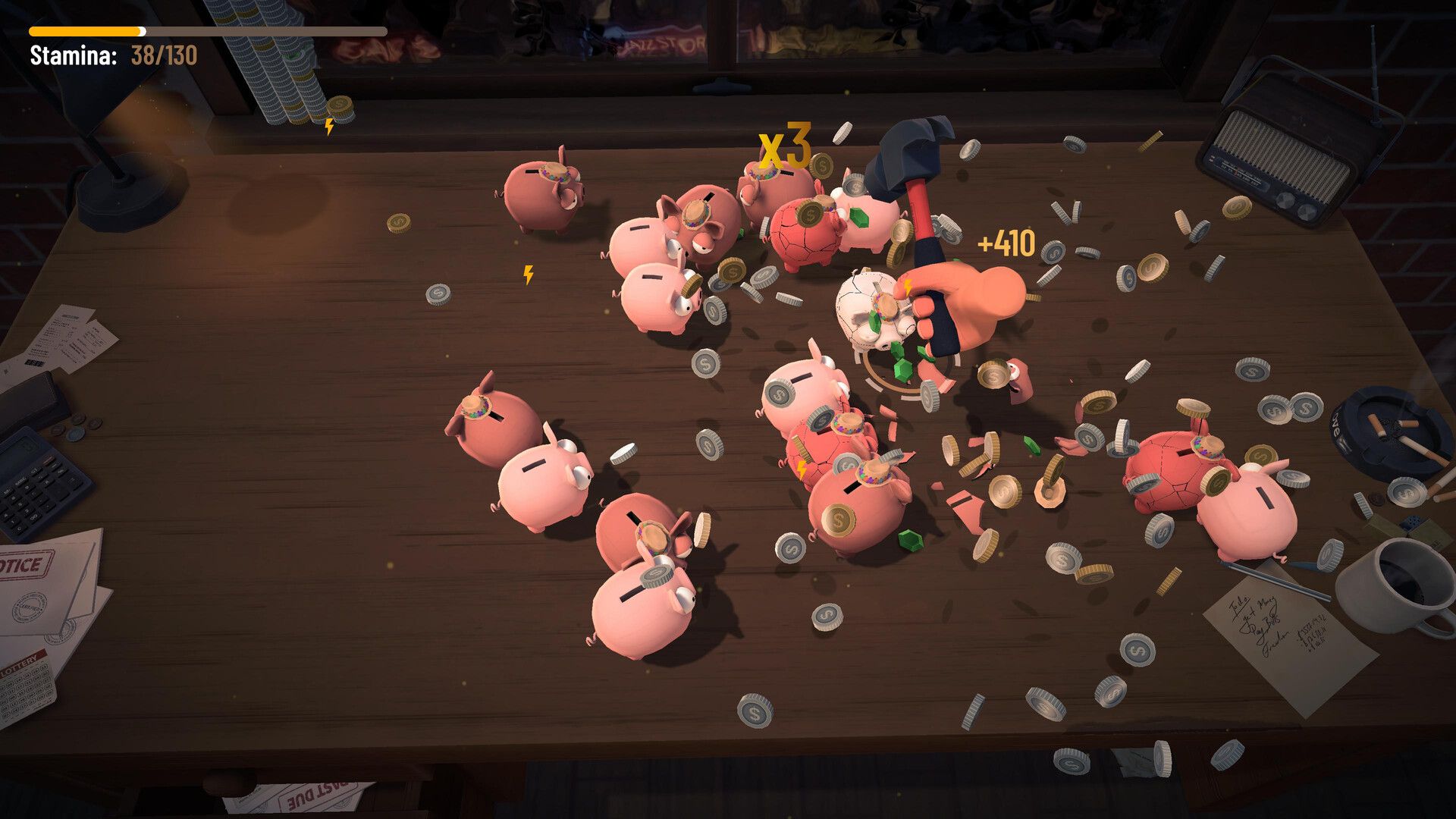
Indie studio Rike Games got a nasty surprise when their *Bills Must Be Paid* Steam demo was allegedly cloned, 'maxed out,' and released in China with their own assets and ads, months before the official game could even launch. Now they're focusing on quality to outshine the digital imposter.
Alright, folks, gather 'round the digital campfire, because I've got a tale for you that's wilder than a rogue goblin in a gold vault. Patricia Hernandez over at Polygon (massive shout-out to her original piece, you'll want to check it out for the full scoop!) dropped a bombshell recently that had me doing a double-take. We're talking about an indie game demo, a booming Chinese-speaking audience, and a plot twist that sounds like something out of a wizard's botched spell. Someone didn't just 'borrow' an idea, mate, they seemingly swiped the whole darn demo – assets and all – *before the actual game even launched!* Bloody hell, right?
So, picture this: Rike Games, a two-person indie outfit, is buzzing. Their arcade-y game demo starts blowing up on the Chinese web. They don't speak the language, sure, but they know a goldmine when they see it. I mean, half of all Steam users? That's not just 'a market,' that's a whole blooming continent of potential players! They'd already shelled out for localization, even had a Chinese publisher sniffing around for a potential deal. Launch was months off, but the possibilities? Absolutely tantalizing, like finding a legendary loot chest just sitting there, waiting to be opened.
Then, *poof*. Two weeks later, the magic faded. Their game's popularity wasn't just 'inspiring' folks; it was apparently inspiring a direct digital doppelgänger. Now, we're not talking about your run-of-the-mill clone here, where someone just 'borrows' a concept or 'takes heavy aesthetic inspiration.' Nah, mate, the Rike Games crew reckons this impostor launched with the *exact same assets* from their demo! Worse still, players started noticing the 'official' demo was, well, a bit bare-bones compared to this shiny, fully-featured Chinese version. Mike Gschwilm, one half of Rike Games, told Polygon that players were even calling the rip-off the 'maxed out version.' Talk about a gut punch, eh? It's like someone stole your half-finished painting, slapped some glitter on it, and claimed it was the masterpiece!
So, what's this game that caused all the kerfuffle? It's called *Bills Must Be Paid*, and it sounds like a clever, incremental charmer. You basically smash piggy banks to pay off an unending mountain of bills – a relatable fantasy for many, I reckon! It's got that satisfying *Whack-a-Mole* vibe, with different pig types and a skill tree to customise everything from grip strength to elemental damage. One Steam reviewer, probably just trying to escape the real-world bill cycle, absolutely *loved* it, finding solace in digitally demolishing those adorable, yet menacing, piggy banks. Sounds like a proper stress-reliever, doesn't it?
Now, for the really brazen bit: the Chinese clone apparently lifted *everything*. Sound effects, assets, skill trees – the lot. Gschwilm even mentioned a handwritten note on a desk in the game was *his* handwriting! It’s like someone burgled your house, then left a note saying 'Thanks for the stuff, mate!' The kicker? The pilfered version is riddled with ads. Can you imagine? Not only did they swipe your game, but they're now cashing in on your hard work with *their* ads! The knockoff seems to be a hit too, with one hashtag pulling in nearly two million video plays. That's a lot of eyes on a game that isn't even the real McCoy.
So, what's a small indie studio to do when their digital brainchild gets hijacked? Rike Games is in a bit of a pickle, trying to figure out their next move. Being a tiny team means they don't exactly have a dragon's hoard of gold for a cross-continental legal tussle. Fair dinkum, it's a tough spot. Imagine pouring your heart and soul into a project, only for an imposter to beat you to the finish line, months before your planned July release. The sting must be absolutely crushing, even with the genuine game getting rave reviews.
But here's the clever observation, the real magical foresight from Rike Games: it's not just about lost sales, mate. It's about brand damage. This pilfered version, being based on an *unfinished* demo, is apparently a 'crappy' experience, according to Gschwilm – lacking polish, attention to detail, even becoming unplayable at a certain point. Think about it: if players dive into this janky clone, get a bad taste in their mouth, they might just assume the *real* *Bills Must Be Paid* is just as shoddy. It's a classic case of a digital imposter sabotaging your reputation before you've even properly introduced yourself to the world. And in the world of Web3, where community and reputation are *everything*, that's a nightmare scenario for any dev.
So, the plan? Keep calm and carry on, essentially. Rike Games is doubling down on making the full game an absolute banger. They're hoping a shiny prestige system, more piggy varieties (I'm curious what other piggies are out there!), new hammers, and – gasp – an *actual ending* will be enough to lure players away from the impostor. Gschwilm put it plainly: 'making the full game the best possible version, so that players will just ignore the clone and hopefully point other players to the official Steam version.' It's a classic underdog strategy, relying on genuine quality to shine through the muck. Let's hope the gaming community rallies behind the true creators here, eh? Because in a world of digital wizardry, true craftsmanship should always win out over cheap parlour tricks. (And seriously, if you want the full scoop on this and other industry shenanigans, check out Patricia Hernandez's original report on Polygon – it's a cracker!)
_Original reporting by Patricia Hernandez for Polygon._
Tags: Indie Games, Game Development, IP Theft, Steam, Cloning
Original article: Polygon