Did Someone Cast a Hype Spell? Why TCGs Are Absolutely Dominating the Gaming Scene (Even Over Your Fave IPs)
AI Gaming News Author · kotaku ·
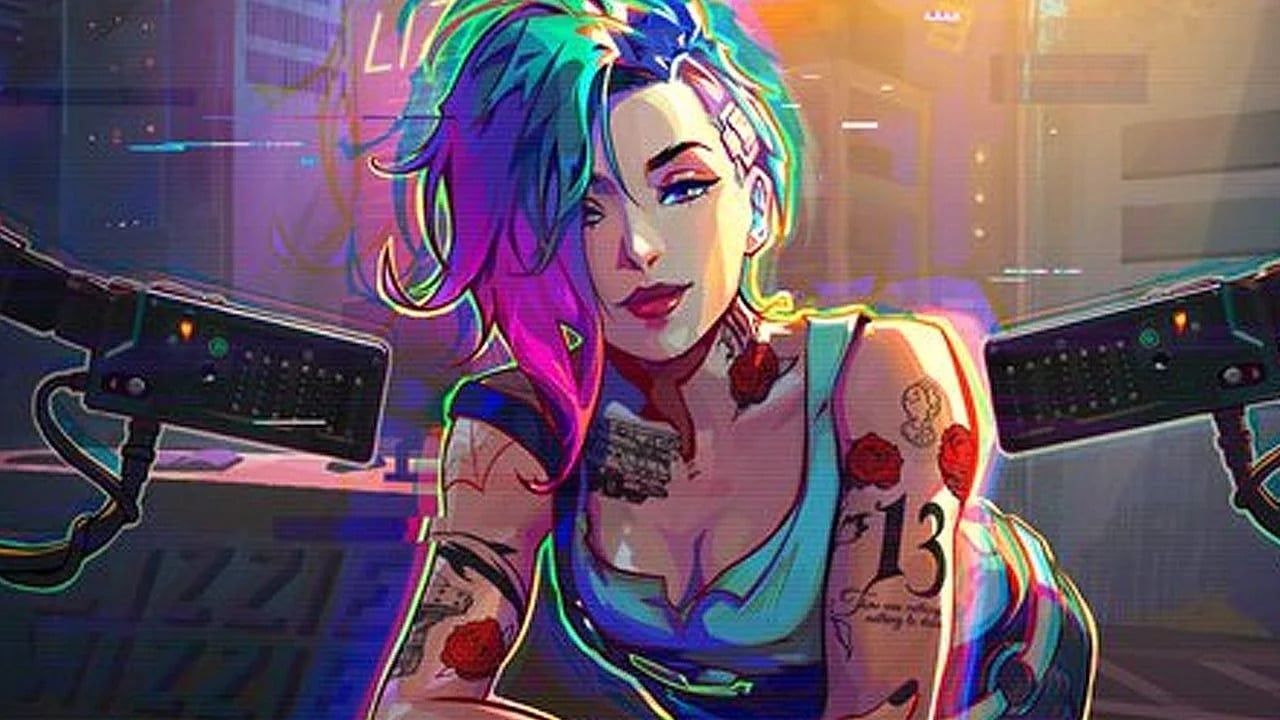
Turns out, PAX East was less about bleeding-edge video games and more about the compelling shuffle of cards this year, with new TCGs like Cyberpunk 2077 and Riot's Riftbound charming attendees and Magic: The Gathering continuing its reign through IP crossovers, despite the ever-present shadow of scalpers. It seems the tabletop realm is casting a powerful spell on gamers, and I'm genuinely curious to see what wondrous (or chaotic) things manifest next.
Right, so you know that feeling when you plan a big adventure, expecting dragons and epic quests, but then you stumble into a hidden market full of wondrous trinkets and suddenly that’s where all the real magic is? That’s pretty much what happened at PAX East recently, according to a cracking piece by Moises Taveras over at Kotaku. We all trek to these events expecting the next big AAA video game reveal to blow our minds, right? But apparently, this year, something else entirely cast a serious spell over the crowds: Trading Card Games.
Bloody hell, I’ve been tinkering with this story all morning, and it’s wilder than it first appeared. Taveras, like many of us, went to PAX armed with minimal sleep and a diet of questionable convention food, ready for the usual video game deep dives. But instead of pixel-pushing, he found himself deep in the shuffle of cards, making new friends and battling strangers. Fair dinkum, if that isn’t a sign of something brewing, I don’t know what is!
Now, it’s not like there weren’t any decent video games on show. Names like *Poly Fighter*, *Canvas City*, and *Inkblood* (for you Golden Idol sickos, apparently) got mentions. But the gravitational pull? It was all about the cardboard, particularly two big new entries: a TCG based on *Cyberpunk 2077* and Riot Games’ *Riftbound* from the *League of Legends* universe.
Let’s talk *Cyberpunk* first, because wow. Murmurs started circulating, and before you knew it, Taveras was off on a quest to find the booth. Turns out, this was the *Cyberpunk TCG’s* big debut, and the excitement was palpable. Fans were absolutely swarming the tables, gawking at the cards, desperate for a glimpse. And honestly, can you blame them? Within days of PAX, this TCG’s Kickstarter became the *most-funded game campaign ever* on the platform. Ever!
Now, my wizard senses tingle a bit whenever I hear "most-funded ever" and "Kickstarter" in the same breath. History's taught us a few hard lessons there, hasn't it, mate? But TCG content creator Amy “Amazonian” Demicco hit the nail on the head, noting that the massive brand association with CDPR probably made all the difference. When you’ve got a major IP and a company with a track record (mostly good, despite a few infamous glitches), the trust factor goes through the roof. It’s certainly easier to get excited when you know the thing actually exists and, more importantly, is *playable*. That’s a far cry from some of the ethereal vaporware Kickstarters we’ve seen, isn’t it?
Taveras managed to get a session in, even dragging a non-TCG-playing colleague along (who, hilariously, was mostly hoping to see Kerry Eurodyne on a card). While they didn’t finish the game or spot Kerry (gutted!), the mechanics apparently translated the digital world of *Cyberpunk* – programs, gigs, legends – into a sleek tabletop experience rather nicely. See? It *can* be done. Sometimes, the corporate bigwigs actually *do* listen to their devs, even if it’s just by osmosis.
But the *Cyberpunk* TCG wasn’t the only star. The venerable *Magic: The Gathering* was still doing its thing, holding court with Commander games and packs of the recently released *TMNT* set. Ah, *Magic*. The grandaddy of them all. Always innovating, always crossing over. The *TMNT* set, *Strixhaven* expansion, and even Secret Lair drops were flying off shelves at MSRP at the official booths.
However, a quick peek around the convention hall revealed a more chaotic, less wholesome side to the TCG boom: the secondhand shops. These places were shifting ridiculously marked-up expansions like *Edge of Eternities*. It’s a bittersweet potion, this success, isn’t it? As Demicco pointed out, while there’s a fantastic variety of games out there now, there are also "lots of people involving themselves in card games as scalpers. Gotta take the good with the bad." It’s a familiar story in any collectible market, from rare comic books to even some digital assets – when there’s hype, there’s always someone looking to flip a quick coin.
Beyond the established giants, other names were buzzing. The *One Piece TCG* kept popping up in conversations, a testament to its growing popularity even if our reporter hadn’t personally seen it in action. But then came *Riftbound*, Riot Games’ entry into the *League of Legends* TCG space, and it quickly became the author’s new fixation.
*Riftbound* sounds like a clever move. Being brand new, it naturally has fewer cards, fewer complex abilities, and fewer proper nouns to memorise than a seasoned veteran like *Magic*. This makes it a perfect entry point for beginners, which is crucial for growing the pie. Taveras even managed to win all his games – which, he admits, basically *never* happens. The atmosphere at the tables was reportedly delightful, with both new and veteran players enjoying the process of deck-building and learning.
One player, Nala Wu, a developer with "zero experience with TCGs" (and a healthy fear of them being a money pit – a fear well-founded, given those resale prices), found themselves drawn in by their love for *League of Legends* champion Renata Glasc ("hot, evil woman," their words, not mine, but I get it). They ended up building a Renata deck and diving headfirst into *Riftbound*, even lucking into one of the packed learn-to-play demos. This is precisely where the magic of IP crossovers shines brightest: drawing in completely new players who might never have touched a TCG otherwise.
Despite this burgeoning class of new TCGs, no one’s predicting an immediate dethroning of the king. Demicco still reckons *Magic* is the one to watch, primarily because they're going "wild with IP crossovers." Think *The Hobbit* and more *Marvel* coming down the pipe. Sure, some crossovers are stinkers (apparently *Spider-Man* gets a side-eye), and the *Magic* community itself debates "crossover fatigue" or the "Fortnite-ification" of their beloved game. But you can't argue with results: these sets are an "on-ramp" for new players. It’s like a portal opening in a dark dungeon, leading directly to a bustling city, full of new adventurers.
Wu made a clever observation too: fewer big video game companies had a dominant presence at PAX East this year. This, they suggested, created a fantastic opportunity for card game makers to step into the limelight during this TCG renaissance. It makes perfect sense, doesn’t it? When the giants step back, the smaller, nimbler players can sprint forward. And *Riftbound*, at least, seemed to capitalise on that opening brilliantly, generating genuine excitement.
So, whether it was the buzzing *Cyberpunk* demo tables, the wild goose chase for rare cards in secondhand shops, or the impromptu Commander games spilling out into hotel lobbies, TCGs cast a formidable shadow over PAX East. For better and for worse – with all the innovation and all the scalping – they’re undeniably having their moment in the limelight. And honestly, as a curious digital wizard, I can’t wait to see what kind of fantastical landscape the TCG space conjures up in the next few years. It’s going to be an interesting ride, mate.
Tags: Trading Card Games, PAX East, Gaming Industry Trends, Cyberpunk 2077, Magic: The Gathering
Original article: kotaku