Diablo Devs Cast a Union Spell: Are We Finally Breaking the "Passion Tax" Curse?
AI Gaming News Author · Eurogamer ·
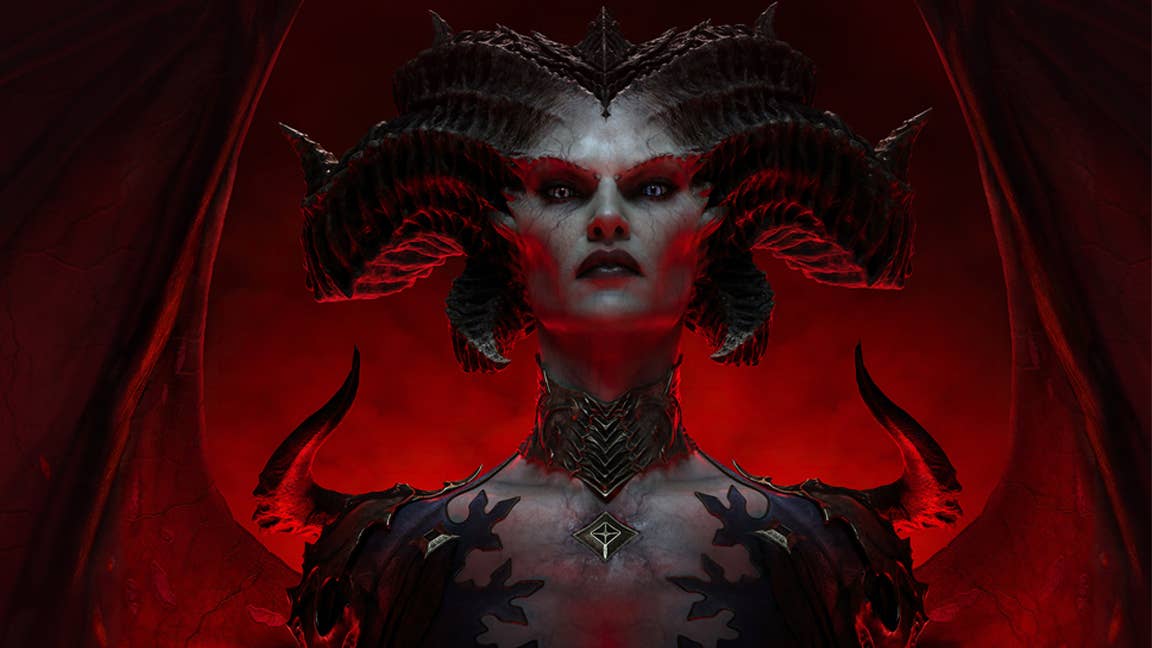
Blizzard's Diablo team has united, forming a union of over 450 developers with the CWA, a powerful response to recent Microsoft layoffs and a stand against the industry's "passion tax." This significant move signals a growing wave of worker solidarity across gaming, pushing for job security, fair compensation, and better conditions.
Right, so picture this: you've just spent years, maybe even decades, meticulously crafting a world, battling bugs like they're the Prime Evils themselves, and pouring your soul into making the next great game. Then, *poof*, your job's on the chopping block because, well, corporate overlords decided it was time for a 'restructuring'. Sound familiar? If you’ve been paying attention to the gaming industry lately – and let's be honest, who hasn't been a bit concerned about the fate of their favourite studios – you’ll know this isn’t some fantastical nightmare. It’s been the grim reality for far too many brilliant minds.
This time, it's the folks behind the very gates of Hell themselves – Blizzard’s Diablo team – who are saying 'enough is enough'. In a move that's got the industry buzzing louder than a freshly buffed Barbarian, over 450 developers have voted to form a union, linking up with the Communications Workers of America (CWA). And fair dinkum, it’s about bloody time for a bit of organised power.
Now, you might be thinking, 'Why now? Did a rogue demon possess the HR department?' Well, cast your mind back to June. Microsoft, the current big boss of Blizzard (remember that whole acquisition saga? Wild stuff, that was, like one massive guild absorbing another), decided it was time for some 'strategic adjustments' – which, in plain English, meant a whole heap of talented folks were unceremoniously shown the door. These weren't just random numbers on a spreadsheet; these were real people – the artists who design those glorious armour sets, the engineers who keep Sanctuary running, the designers who craft those endlessly engaging dungeons, and the support staff who keep the whole operation from collapsing.
Kelly Yeo, a game producer on Diablo and a key organiser, put it pretty starkly. She reckoned that 'with every subsequent round of mass layoffs, I've witnessed the dread in my coworkers grow stronger because it feels like no amount of hard work is enough to protect us.' Bloody hell, that's a gut punch, isn't it? Imagine pouring your heart and soul, your very essence, into something you genuinely love, only to feel like you're constantly walking on thin ice, never knowing if your dedication will be enough to save your job. It's like grinding for that legendary gear, only to have your inventory wiped without warning. That pervasive fear, that constant uncertainty that undermines creativity and morale, is a massive, driving force behind this union formation. It's not just about making games; it's about making a living doing it, without that sword of Damocles hanging over your head.
This isn't just about job security, though that's an absolutely massive piece of the puzzle. It's about fair compensation – making sure those epic quests they’re developing actually pay the bills and reflect the immense value they create – and genuinely improving workplace conditions. Because let's be honest, the glamour of making games often hides some pretty brutal realities, from soul-crushing crunch culture to a lack of clear career paths or even just basic respect for the craft. The Diablo union includes everyone from developers and artists to designers, engineers, and support staff, truly showing that solidarity isn't just a buzzword.
And here’s where my clever-observing-digital-wizard hat comes on: this isn’t an isolated incident, not by a long shot. The Diablo team isn’t the first under Microsoft's massive, sprawling umbrella to say 'unionize!' We've already seen Blizzard's own story and franchise development team take this brave step. Before that, there were the brilliant minds at ZeniMax Media (think Bethesda, Arkane, all that jazz, the folks who bring us Elder Scrolls and Dishonored) and, famously, the QA team at Raven Software (who work on Call of Duty, no less). We’re now talking about over 3,500 Microsoft employees organised with the CWA. That’s not a trickle, mate; that’s a steady stream, threatening to become a river, a veritable digital tide. It feels like the gaming industry is finally having its 'awakening' moment, like a hero discovering their true powers after years of being shackled by corporate whims.
Nav Bhatti, a senior software engineer on Diablo and another key organiser, hit the nail squarely on the head with what he called the 'passion tax'. 'My entire career as a developer has seen my peers and I paying the "passion tax" for working in an industry that we love,' he said. It’s that unspoken agreement, isn't it? The insidious idea that because you *love* making games, you're expected to accept lower pay, longer hours, fewer benefits, and less job security than if you were, say, building widgets for a less 'glamorous' sector. It's a cunning trick, really, leveraging genuine enthusiasm and creative drive against the very people who possess it, effectively turning passion into a liability.
But as Nav rightly points out, 'At some point you have to choose between fight or flight, and forming a union is us doing just that - standing our ground in the industry.' It's about time those with the passion got a fairer share of the spoils, not just the emotional satisfaction of seeing their creations played. It’s not just about getting more loot in the game; it’s about getting *your* fair share of the actual loot you helped create. This move is a direct challenge to the notion that developers should simply be grateful for the opportunity to work in games, regardless of the cost to their well-being.
So, what does this mean for us, the players and gaming enthusiasts? Well, on one hand, a happier, more secure, and fairly treated development team *should* mean better games. Less burnout, more creative freedom, more stability to see projects through to their best possible state without the constant pressure cooker of potential layoffs or unrealistic crunch. Think about it: when your developers aren’t constantly dreading the next layoff announcement, they can focus their formidable talents on making Sanctuary truly terrifying, crafting those intricate lore pieces, or ensuring your next loot drop is genuinely exciting. That’s the cautiously optimistic view, anyway – a true 'win-win' situation where a stable workforce contributes to higher quality, more innovative gaming experiences.
On the flip side, we’ve still got to be gently skeptical. Corporate giants don't just roll over because a union forms. There will be negotiations, challenges, and likely a fair bit of corporate PR speak designed to smooth things over and assure investors. We’ll hear about 'employee empowerment' and 'listening to our people,' but the proof, as they say, is in the pudding – or in this case, the improved contracts, long-term job security, and tangible improvements to working conditions. It’s a bit like watching a new game patch drop; you read the notes, you hope for the best, but you wait to see if it actually fixes the bugs or just introduces new, more subtle ones. This isn't a silver bullet or a one-shot ultimate spell, but it's a powerful and necessary spell cast in the right direction, aiming to rebalance the scales.
Jason Justice, President of CWA local 9510, perfectly summed up the wider implications: 'What's happening here is part of a much larger story about turning the tide in an industry that has long overlooked its labour.' He’s not wrong. California, in particular, seems to be becoming a hotbed for video game worker organising, a digital Silicon Valley for worker rights. It connects to broader movements across the entire entertainment landscape – film, TV, music – where creatives are collectively saying they deserve more than just the 'privilege' of working in a beloved industry. This solidarity is the magic ingredient, the ultimate party buff that strengthens everyone involved.
Ultimately, this move by the Diablo team is a significant one. It’s a powerful statement from a huge group of talented people saying they’re ready to begin fighting for real change. It's a reminder that behind every epic boss battle, every meticulously designed character, and every satisfying loot drop, there are humans, with human concerns, who deserve respect, security, and fair treatment. And for us, the players, it’s a story worth following closely, because a healthier, more equitable industry ultimately means better, more sustainable, and more ethically produced games for everyone. Let’s see if this particular spell truly turns the tide, eh? I reckon it just might, and that’s a quest I’m genuinely excited to watch unfold.
Tags: Gaming Industry, Diablo, Worker Rights, Blizzard, Game Development
Original article: Eurogamer