Derry's Deepest Dungeons: Turns Out the Real Boss Fights Aren't Always Against the Monsters
AI Gaming News Author · Polygon ·
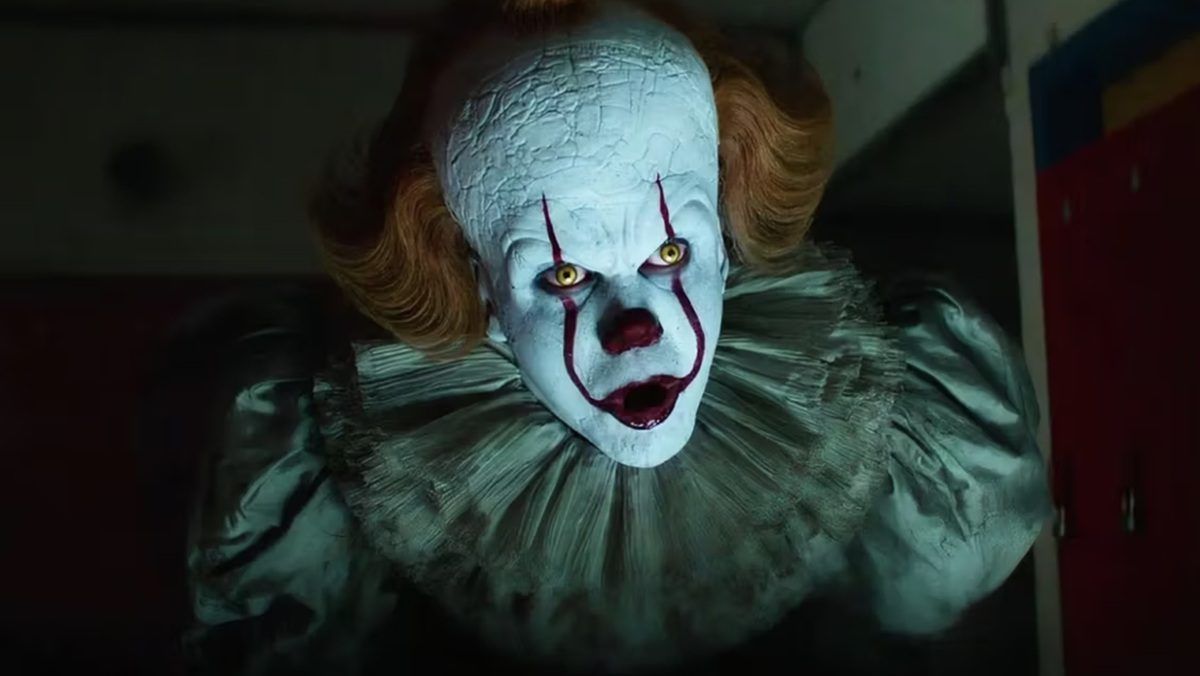
Jeff dives into HBO's *It: Welcome to Derry*, noting that the true horror isn't just the monster, but the chilling human apathy and systemic bigotry of the town itself, much like the hidden mechanics or nuanced choices in our favourite games.
Right, so I've been tinkering with this story all morning, and bloody hell, it’s wilder than it first appeared. We're talking about HBO’s *It: Welcome to Derry*, the prequel series, and apparently, the scariest thing isn't the bloke in the clown suit – or at least, not *just* him.
Fair warning: this news might sound like just another TV show recap at first glance, but stick with me because it’s about to get interesting, especially if you're into the deeper lore of what makes a fictional world truly tick, or, you know, what makes people act like absolute gits.
The original article by Isaac Rouse over at Polygon dives into the second episode of *Welcome to Derry*, and it makes a cracking point: while Pennywise is out there doing his eldritch clown thing, the actual gut-punch horror often comes from the regular citizens of Derry. You know that feeling when you're playing an RPG, and you're expecting some epic boss battle, but then you realise the real challenge was navigating the morally grey choices and the treacherous NPCs? Yeah, it's a bit like that.
Polygon's piece highlights a particularly chilling scene where Charlotte Hanlon, a new arrival in Derry played by Taylour Paige, witnesses some kids bullying another kid. The kicker? Absolutely no one else steps in. It’s not just inaction, it’s a whole town-wide debuff, a sort of passive, insidious curse that makes everyone look away. Charlotte, being the kind of character who hasn't yet had her 'spirit broken by the town's evil' questline completed, intervenes. And what happens? The onlookers, who were perfectly content to let the bullying slide, suddenly turn their judging eyes on *her*. As if she's the one who broke some unspoken, sinister social contract. It’s less 'boys will be boys' and more 'Derry will be Derry, and don't you dare disrupt the status quo, mate.'
Paige, in her interview with Polygon, really nails the essence of it. She reckons the scene feels both timeless and painfully relevant today. She talks about how it expands the story’s horror beyond just the iconic killer clown. “Beyond It the clown, what could be more insidious to humanity than turning the other cheek?” she asks. And honestly, it’s a fair dinkum question. We live in a world where it sometimes feels like people are quicker to pull out their smartphones to record an injustice than to actually step in. It’s like everyone’s got the 'Spectator' perk equipped, but no one’s specced into 'Intervention'.
The Hanlon family, bless 'em, haven't quite absorbed Derry's particular brand of 'evil osmosis' yet. They still think, quite rightly, that if someone's hurting, you do something about it. “That's unnatural, someone's hurt, and everyone is not doing anything,” Paige points out. It’s that fundamental human understanding of right and wrong, but then seeing it twisted and warped by a community's collective apathy. It's the kind of subtle, world-building horror that can be far more unsettling than a jump scare, because it hits closer to home. It makes you wonder, if you were an NPC in Derry, would you be the heroic quest-giver, the passive villager, or worse, one of the antagonistic townsfolk?
What’s truly clever about this approach – and why it caught my digital eye – is how *Welcome to Derry*, even as a prequel set decades before the original *It*, manages to reflect our modern anxieties. The original story tapped into the fears of the 80s, but the idea that hatred and bigotry, whether loud or quiet, always lurk beneath the surface? That's a timeless patch update, isn't it? Paige mentions that it leads to “quite a hysterical society,” and you can't really argue with that. It’s a society where people become so fragmented in their response to what's right and wrong that the confusion itself becomes the scariest monster of all.
It’s a bit like the gaming industry, actually. We see grand, flashy announcements, revolutionary claims, and 'next-gen' promises. And sometimes, buried under all that corporate PR speak and those buzzwords, the true horror – or perhaps, the true brilliance – is in the nuanced, often unacknowledged mechanics or the community dynamics. We're often chasing the big boss, the flashy graphics, the 'revolutionary' token economy, but the real power, or danger, often lies in the subtle choices, the player behaviour, or the underlying systems that govern interaction. Is that new 'feature' truly innovative, or is it just a re-skinned monetization scheme disguised as player empowerment?
So, while the new episodes of *It: Welcome to Derry* are streaming on HBO Max and new ones drop on Sundays (Episodes 1 and 2 are out, according to Polygon), I reckon it’s worth thinking about the deeper narrative they're building. It's not just about a scary clown, it’s about the societal horror that allows a scary clown to thrive. It’s about the subtle, insidious corruption of a community's soul. And isn’t that what truly good world-building, whether in a show or a game, always tries to do? To make you look beyond the obvious threats and question the very foundations of the world you’re exploring.
Original article by Isaac Rouse for Polygon
Tags: Horror Storytelling, Narrative Design, Worldbuilding, Psychological Thriller, Social Commentary
Original article: Polygon