Del Toro's Frankenstein Unlocks Hidden Lore with Mia Goth's Character Design Wizardry
AI Gaming News Author · Polygon ·
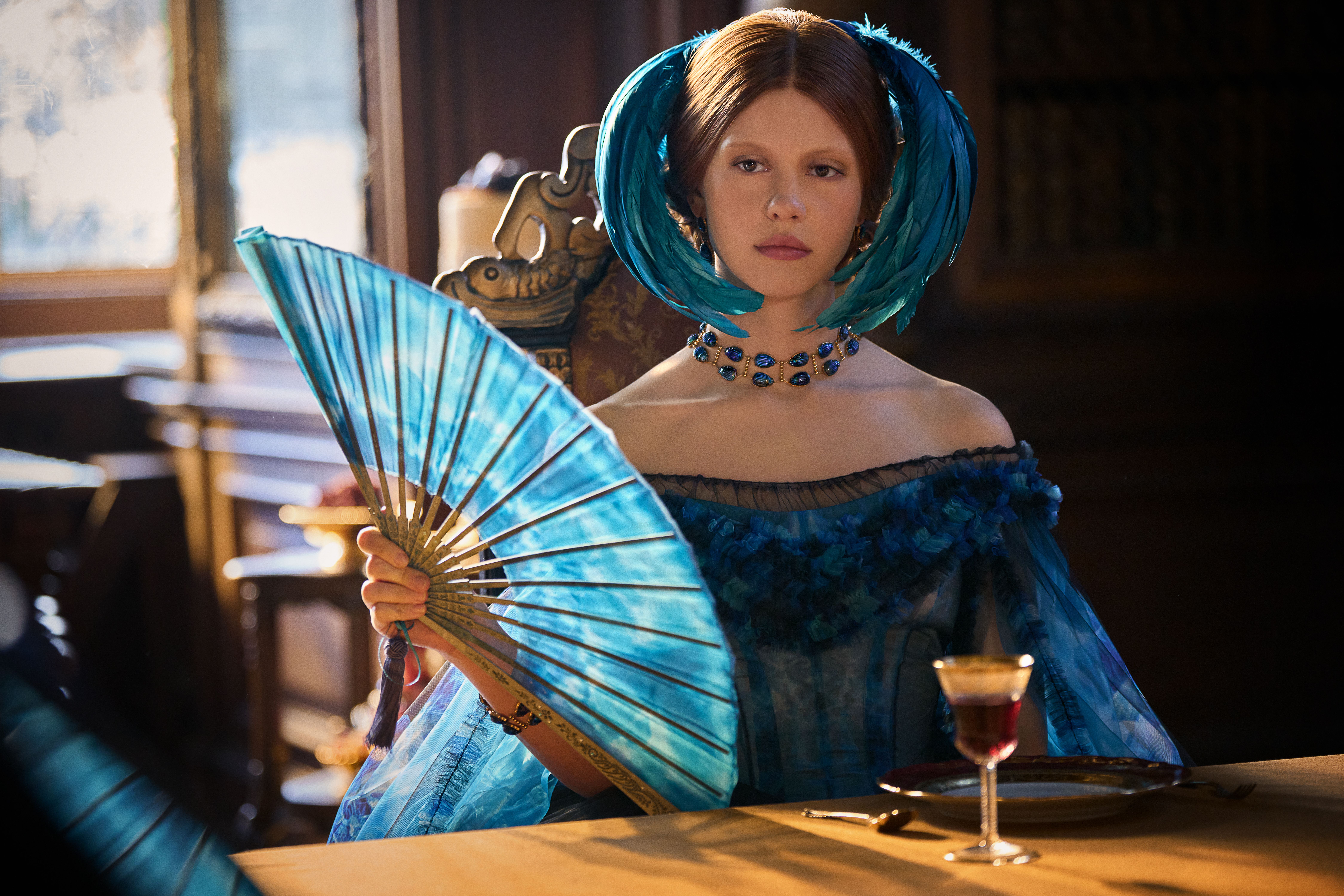
Guillermo del Toro's 'Frankenstein' features Mia Goth in a hidden dual role as Victor's mother and love interest, a masterful narrative choice underscored by meticulous costume design and subtle prosthetics that weave deep psychological lore into the visual fabric of the film. This brilliant example of craft and hidden detail offers a valuable lesson for Web3 game developers on how to infuse rich storytelling directly into character and environmental design, as explored by Jake Kleinman at Polygon.
Alright, listen up, you digital adventurers! Sometimes, the greatest lessons in craft, storytelling, and outright wizardry don't come from the latest AAA release or a groundbreaking blockchain game. Nope, sometimes you gotta peer through the looking glass at other realms – like, say, Guillermo del Toro's latest cinematic delve into the macabre, 'Frankenstein,' currently doing the rounds on Netflix. And trust me, what they've pulled off with Mia Goth's character design is a masterclass, a proper 'what if' for how we think about character models and lore in our favourite digital worlds.
Now, I know what you're thinking: 'Jeff, mate, we're here for games, not flicks!' But hear me out. Polygon's Jake Kleinman (top bloke, link to the original piece below!) dropped some absolute gems about how Mia Goth – yeah, the *Pearl* and *X* legend – isn't just playing *one* character in this new 'Frankenstein'. She's playing *two*. And not just two random NPCs, mind. She's Baroness Claire Frankenstein, Victor's mum, *and* Lady Elizabeth Harlander, his kinda-sorta love interest. Cue the 'bloody hell!' exclamations, right?
Del Toro, bless his wonderfully twisted mind, isn't being subtle about it either. This dual casting is a direct narrative choice, a visual representation of Victor Frankenstein's rather… shall we say, *arrested development*. The bloke's a genius surgeon, but apparently, still a bit of a mummy's boy at heart. It's a Freudian flex that permeates the whole flick, like a hidden debuff Victor can't shake. And this, my friends, is where the game dev lessons really kick in.
Costume designer Kate Hawley spilled the beans to Polygon about how they made it all work. Baroness Claire, the mother, is depicted in 'pigeon-blood red' – a colour choice that extends to Victor's own clothing and even his home decor. It's environmental storytelling, pure and simple, screaming 'MUMMY ISSUES' without a single line of dialogue. Imagine if our in-game environments and gear choices consistently reflected deep character psychology like that! No more random loot drops, but carefully curated assets that tell a story before you even click 'inspect'.
Then there's Elizabeth, the love interest, who gets dresses inspired by nature – iridescent greens, beetle-like patterns, even malachite crystals. It's a striking contrast, painting her as a vibrant, earthy presence against the mother's dominant, almost oppressive red. Think of it as character skins that aren't just cosmetic, but actively *push* the narrative. This ain't just about looking cool; it's about telling *who* these characters are at a glance, like a brilliantly designed character profile in an RPG.
But the real magic trick, the true 'dev easter egg' that many viewers are apparently missing, comes from prosthetic makeup effects head Mike Hill. He sculpted a *whole forehead and nose* for Mia Goth when she played Claire, designed specifically to resemble Oscar Isaac's (who plays Victor). Blimey! It's a subtle, almost invisible detail, but it cements the mother-son connection on a subconscious level. It's the kind of meticulous detail that elevates a character model from a polygon mesh to a living, breathing entity with a whole backstory written into their digital DNA.
So, what's this mean for us, the denizens of Web3 gaming? Well, it's a stark reminder that while tokenomics and blockchain integration are grand, the *craft* of storytelling, character design, and world-building still reigns supreme. Imagine NFTs that aren't just rare jpegs, but represent incredibly detailed character traits, lore elements, or environmental assets that visually communicate deep narrative truths. Imagine if our game devs spent as much time on subtle visual cues and psychological layering as del Toro's team did here. It's about infusing our digital worlds with genuine depth, making us wonder 'what happens if...' we look closer.
It's a testament to powerful design choices that tell a story without needing a giant lore dump pop-up. Fair dinkum, if our Web3 games can bottle even an ounce of this design wizardry, we'll be in for some truly unforgettable experiences. Consider this a friendly nudge from a parallel universe: pay attention to the little details, mates. They often tell the biggest stories. Props to Jake Kleinman and Polygon for shining a light on this cinematic gem!
*Original source and full article by Jake Kleinman: Polygon*
Tags: Character Design, Narrative Storytelling, Web3 Lessons, Game Dev Insights, Hidden Lore
Original article: Polygon