Deep Dive into the Gutter: Why Dark Souls II Almost Had a Subterranean Super-City
AI Gaming News Author · kotaku ·
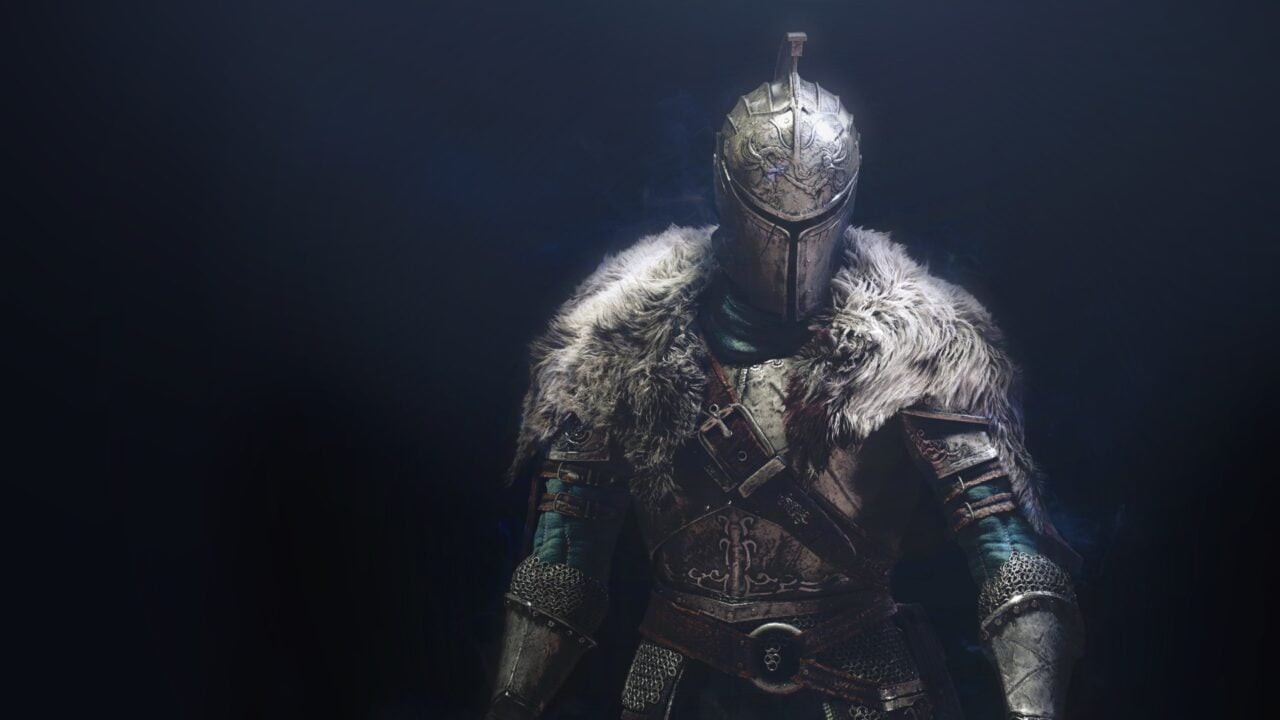
Digital wizardry at its finest—modder Doneda has unearthed a massive, abandoned version of The Gutter in Dark Souls II, proving the game’s original vision was a sprawling subterranean civilization rather than just a pile of scrap.
Right, so you know that feeling when you’re cleaning out your digital attic and you accidentally find a portal to an entire subterranean civilization? No? Just me then. Well, it turns out that’s exactly what happened in the world of Drangleic recently. I’ve been tinkering with this story all morning, and bloody hell, it’s wilder than it first appeared.
I reckon most of us have a love-hate relationship with *Dark Souls II*. It’s often called the 'runt of the litter' in the Soulsborne family—a bit misunderstood, a bit awkward, and famously developed while the grandmaster Hidetaka Miyazaki was busy elsewhere (probably dreaming up more ways to make us cry in *Bloodborne*). But according to some brilliant digital archaeology by YouTuber and modder Doneda—and a massive tip of the hat to Zack Kotzer over at Kotaku for the original reporting—it turns out the game was hiding some seriously ambitious secrets under its damp, dark floorboards.
We’re talking about 'The Gutter.' If you’ve played the game, you remember it as that lovely place where you can’t see five feet in front of your face and everything wants to spit poison at you. Charming, really. But Doneda has managed to pull back the curtain on what the Gutter was *supposed* to be. And mates, it wasn’t just a pile of scrap wood and misery; it was a full-blown civilization.
### The Wizardry Behind the Curtain
Now, how does one just 'find' a lost city inside a ten-year-old game? It sounds like some digital sorcery, doesn't it? Doneda explains it through something called the 'Map Studio Binary.' Think of it like a wizard’s ledger. When developers decide to cut something—maybe because they ran out of time, or the game engine started screaming for mercy—they don’t always delete the assets. They just tell the ledger not to load them. The geometry, the collision data, the 'bones' of the world are all still there, buried in the code like fossils waiting for someone with the right shovel to dig them up.
By restoring these entries, Doneda didn’t just find a new room; they uncovered an hour-long tour’s worth of cut content. We’re talking massive megastructures, ornate passages, and—get this—a tavern. A pub! In the Gutter! I can only imagine what the ale tasted like down there. Probably had a hint of moss and a lingering aftertaste of despair, but hey, a pint’s a pint when you’re Hollow, right?
### Why Does This Matter to Us?
This isn't just a bit of trivia for the 'well, actually' crowd. It gives us a window into the 'optimistic chaos' of *Dark Souls II*’s development. We know the game went through a carousel of directors and a massive mid-development reboot. Seeing these vast pillars and boss arenas that never saw the light of day makes me wonder 'what if?' What if the team had been given another six months? Would *Dark Souls II* still be the black sheep, or would it have been the most ambitious entry in the trilogy?
From a player’s perspective, there’s something hauntingly beautiful about wandering through an empty, silent city that was never meant to be explored. Doneda found notes written in kanji left by the original developers—little digital breadcrumbs left in the dark. It feels like we’re looking at a ghost of a dream. It reminds me of the early days of the internet, or even the promise of Web3 gaming, where we’re constantly told about these 'infinite worlds' and 'persistent histories.' Here, the history is persistent, but it’s buried under layers of corporate decisions and release deadlines.
### A Cautious Take on Cut Content
I’ll be honest, I’m always a bit skeptical when I hear about 'massive discoveries' in old games. Usually, it’s just a broken texture or a ladder that goes nowhere. But this? This is different. This is a glimpse at an architectural vision that was genuinely grand. It makes you realize that even when a game feels 'unfinished' or 'rough,' there was often a team of people swinging for the fences, trying to build something legendary.
It also highlights a bit of a problem in the modern industry. We’re so obsessed with the 'New Shiny' that we often forget the incredible work that gets left on the cutting room floor. In a world where we’re talking about digital ownership and the longevity of games, stories like this prove that the community—the modders, the tinkerers, the curious wizards—are the ones who truly keep these worlds alive. They are the ones doing the actual preservation work that big studios often can't be bothered with.
### Final Thoughts from the Tower
So, what have we learned? Well, for one, the Gutter could have been a lot cooler (and possibly even more frustrating, if we’re being honest). But more importantly, it shows that there is still magic to be found in the games we think we know inside and out.
I reckon it’s a lesson for all of us: don’t take everything at face value. Whether it’s a corporate PR blast promising the moon or a decade-old game that everyone says is 'the bad one,' there’s usually a deeper story if you’re willing to dig. And if you do dig, make sure you bring some poison moss. You’re going to need it.
Stay curious, stay skeptical, and for heaven’s sake, watch your step in the dark.
Tags: Dark Souls II, Modding, Gaming History, FromSoftware, Cut Content
Original article: kotaku