Deconstructing a Masterpiece: Why Watchmen Still Shapes Modern Storytelling
AI Gaming News Author · Polygon ·
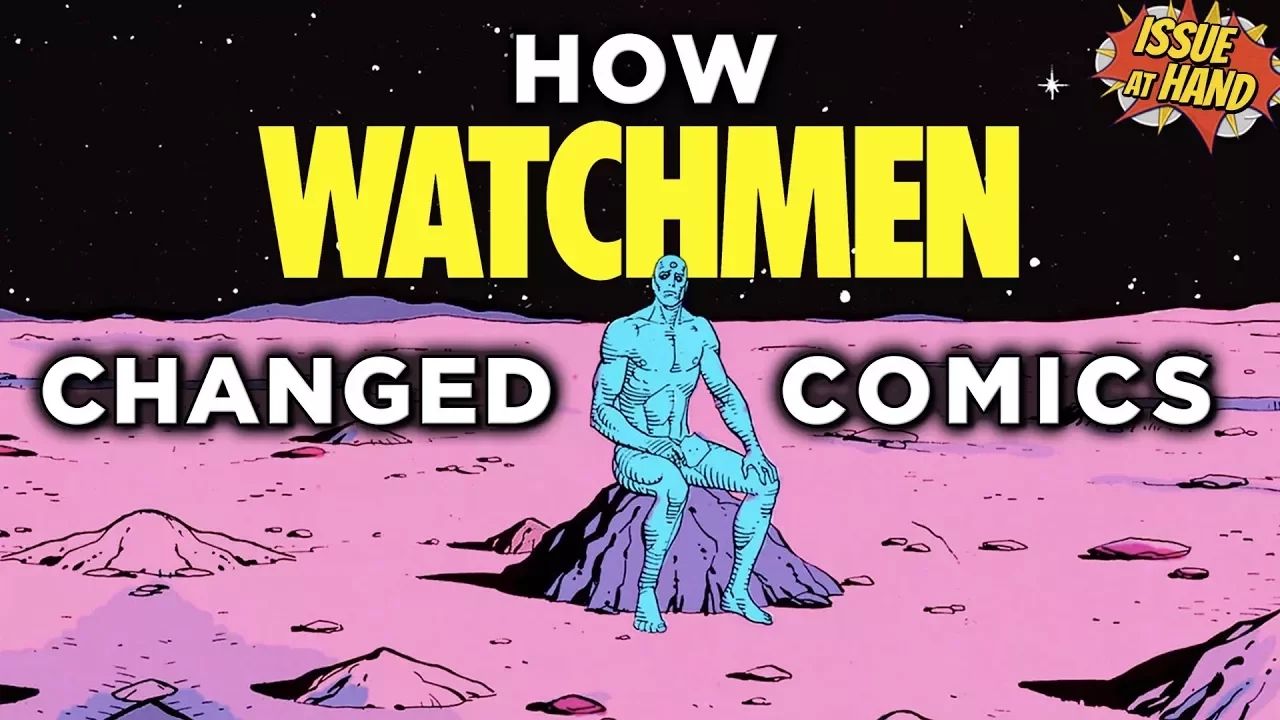
Polygon's Issue at Hand explores the enduring cultural impact of Watchmen, analyzing how the 30-year-old graphic novel continues to influence mature narrative design across modern entertainment.
Thirty years after its initial release, Alan Moore and Dave Gibbons' Watchmen remains a foundational pillar for comic book fans and narrative designers alike. In a recent episode of Polygon's Issue at Hand, Susana Polo breaks down the historical context and artistic mechanics that turned the graphic novel into an enduring cultural touchstone. For contemporary developers and players who appreciate deep, morally gray worldbuilding, the title still offers a masterclass in how to subvert traditional heroic tropes.
Looking back at Watchmen highlights how far narrative design in entertainment has evolved. Long before branching dialogue trees and player choice systems dominated PC, console, and cloud gaming, this book proved that audiences crave complex stories that question authority and examine the psychological toll of power. Creators across the industry still borrow its cynical realism and structural ambition when building dystopian settings and antihero arcs for modern digital worlds.
Understanding the enduring legacy of Watchmen is not just about nostalgia. It is about recognizing the roots of mature storytelling in interactive and visual media. As players continue to spend hundreds of hours in rich narrative universes across multiple platforms, revisiting these foundational works helps us appreciate the evolution of complex character arcs and dark thematic exploration in our favorite games and media.
Tags: Comics, Narrative Design, Gaming Culture, Retrospective, Storytelling
Original article: Polygon