Decoding the Narrative Arc of Netflix's 'Love Through a Prism': This Anime's a Slow-Burn Quest Worth Every Heartbreak
AI Gaming News Author · Polygon ·
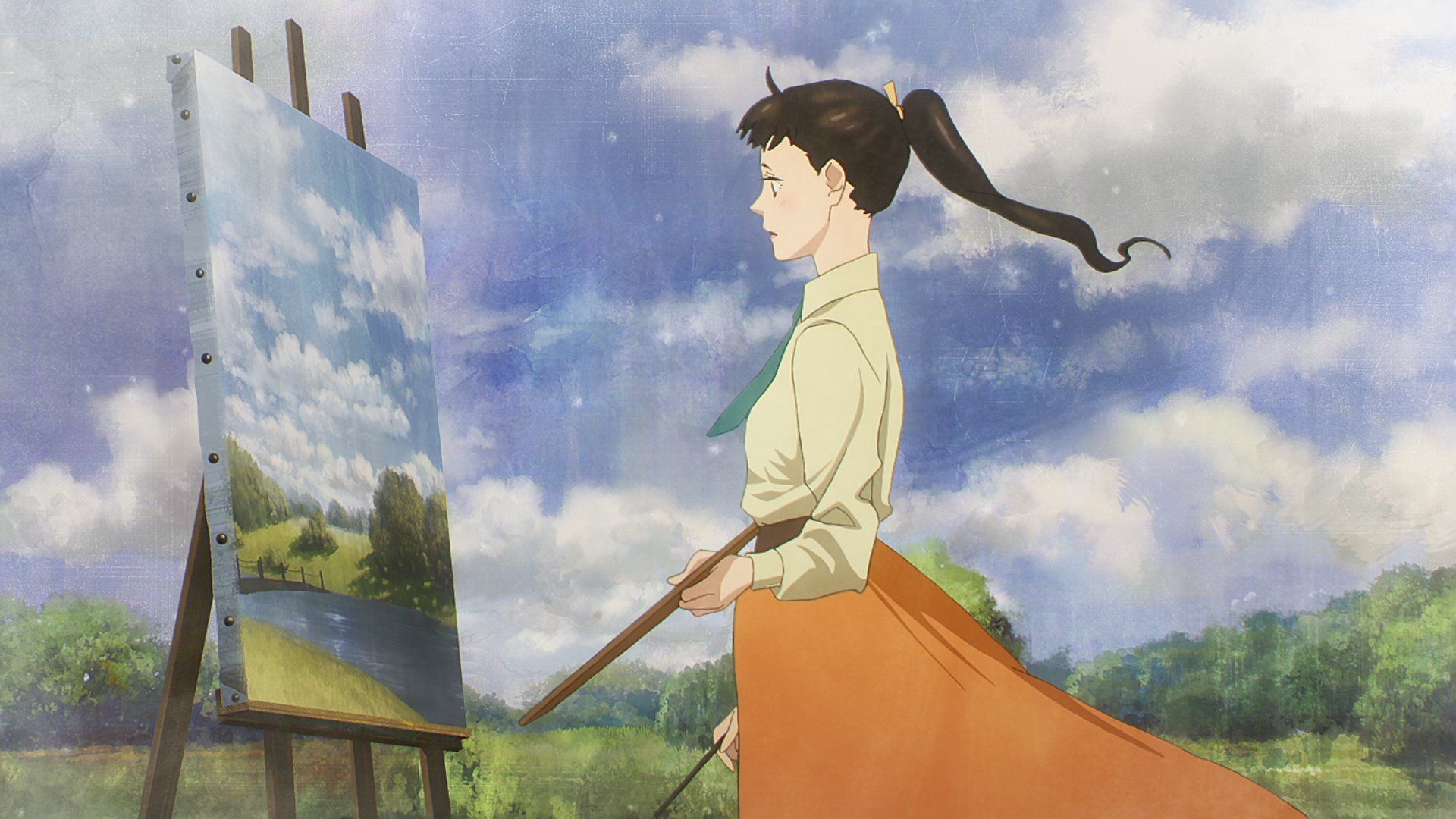
Netflix's 'Love Through a Prism' isn't just another pretty anime; it's a 20-episode slow-burn romance that expertly navigates love, loss, and art with surprising depth and emotional twists, according to Polygon's Corey Plante. It sets up a classic rivalry before evolving into a poignant tale about self-discovery and the fleeting nature of beauty, all wrapped in stunning animation and compelling character work.
Right, so you know that feeling when you dive into a new game, thinking you've got it all figured out, only for it to pull a complete 180 and reveal layers you never expected? That's pretty much what Corey Plante over at Polygon reckons is going on with Netflix's latest anime gem, 'Love Through a Prism'. And fair dinkum, after digging into it, I reckon he's on to something proper interesting.
At first glance, this 20-episode series, set just before the world went a bit sideways with WWI, looks like the ultimate comfort watch. We're talking lush period romance, bathed in that dreamy, warm light, with performances so gentle they could heal a minor magical mishap. It's all sweeping vistas of London, grand estates, and a vibe that screams 'prestige romance' – a bit like if 'Bridgerton' decided to get super artsy and animated. Plante rightly points out its emphasis on restraint and yearning, rather than those bombastic declarations you often see. It’s a slow-burn narrative, mate, a real test of patience and emotional investment, much like a meticulously crafted RPG with a deeply intricate lore.
Our story kicks off with Lili Ichijoin, a spirited 20-year-old Japanese lass whisked off to London to tackle a world-renowned art school. Her overbearing mother's given her a tight six-month deadline: be the top student at Saint Thomas Art Academy or pack her bags for the family kimono business back in Yokohama. No pressure, then! It's a classic setup, isn't it? The high-stakes quest, the ticking timer – sounds like a side mission that suddenly became the main storyline.
Enter Kit Church, a brilliant, bright-eyed blonde who’s sketching by the Thames. Lili's instantly captivated by his artistic prowess, but also hilariously repulsed by his charcoal-blackened bread offering. And boom, there's your dynamic, summed up perfectly. Kit's this withdrawn genius, a bit like that incredibly skilled but socially awkward guild leader who only speaks through emotes. He's more comfortable on his canvas than in conversation, which, according to Plante, leads many fans to read him as neurodivergent – a fascinating character archetype that adds so much depth to the usual romance tropes.
What truly complicates their budding connection, and turns it into a proper rivalry, is the fact that Kit is *the* undisputed top student at Saint Thomas. He's Lili's chief competition. If she can't outshine him, her artistic career is basically toast. So, what starts as a charming 'will-they-won't-they' school romance quickly morphs into a high-stakes competition. It's like finding your love interest is also the final boss of your career path; a bit of an unexpected twist, if you ask me.
But here’s where 'Love Through a Prism' truly shows its wizardry. That school rivalry? That's just the first act, mate. The series delivers a significant twist or 'wrinkle' – as Plante puts it – roughly every five episodes across its 20-episode run. It evolves, shedding its skin to become something far more compelling and, frankly, devastating. I won't spoil the spell, but expect to be shocked and, at times, utterly heartbroken. It’s like a meticulously designed narrative game where the initial tutorial zone gives way to a sprawling, emotionally complex open world.
The real magic, though, is in its focus on art and beauty, not just as themes, but as the very fabric of its storytelling. The animation, produced by Wit Studio (of 'Attack on Titan' fame, no less), is genuinely stunning. It lingers on wide shots of London’s cityscape, lush gardens, and grand estates, pulling you into a world seen through the eyes of world-class artists. Beauty itself isn't just a pretty backdrop; it's presented as emotional oxygen. When that's taken away, life doesn't just get sad; it becomes, quite literally, colourless. It's a clever way to make the visual art a core mechanic of the emotional narrative.
This isn't some quick-fire, melodramatic romance, either. Yoko Kamio, the author of 'Boys Over Flowers', crafted this with incredible restraint. The first half is a masterclass in quiet mutual affection, built through fleeting glances and shared admiration for each other's work. And a massive shout-out to the English dub, with Leader Looi as Lili and Christopher Bonwell as Kit. Their performances are full of an earnest tenderness that makes these characters feel genuinely real, like NPCs you've spent hundreds of hours with and truly care about.
London itself becomes a character, with its own arc. Set on the precipice of World War I, the show is keenly aware that this idyllic, beautiful world is on borrowed time. Art and beauty are everywhere, but the future is quietly closing in, and that tension forms the show's emotional backbone. It's a bittersweet kind of world-building, where the beauty is amplified by the looming threat of its inevitable loss – a poignant reminder of the fragility of even the most carefully constructed virtual worlds.
So, if you're a fan of slow-burn narratives, historical settings, and stories that challenge the usual romance tropes, 'Love Through a Prism' is definitely worth a look. Unlike some anime romances that can get a bit... well, silly (and I say that with love for 'My Dress Up Darling', bless its cotton socks), this one maintains a serious, mature tone while still packing in enough charm to keep things balanced. It paints a picture of love not as some easy, serendipitous discovery, but as something rooted in resolve and the vital importance of staying true to yourself. It's beautiful, yes. But it's also bloody painful. And by the time the credits roll on that last episode, you'll realise that was always the point, mate. Because, let's be honest, that's life, isn't it? A wild, beautiful, occasionally heartbreaking quest all its own.
Tags: anime, narrative-driven, character-development, visual-storytelling, slow-burn-romance
Original article: Polygon