Deborah Ann Woll's D&D Wizardry: How 'Tales From Woodcreek' Brewed Spooky Magic with Duct Tape and Dollar Store Finds
AI Gaming News Author · Polygon ·
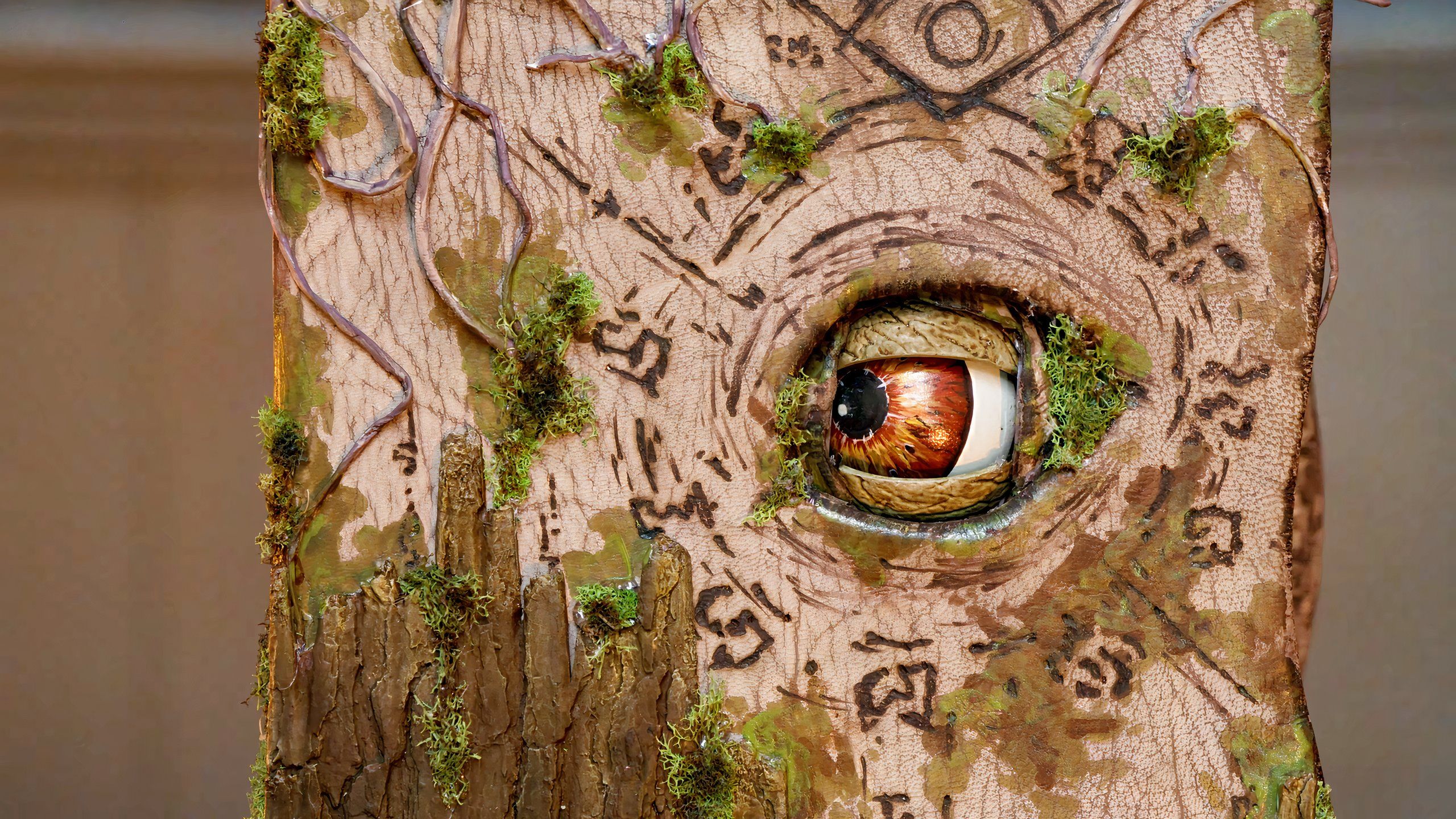
Deborah Ann Woll's 'Tales From Woodcreek' is an actual-play D&D series shaking up the scene with its intensely tactile, DIY approach to props and puzzles, proving that scrappy, handmade magic can be more immersive and terrifying than any high-budget production. It's a masterclass in how genuine creativity and player immersion can thrive on ingenuity and a bit of late-night crafting chaos.
Right, so you've seen the big D&D actual-play shows, yeah? The ones with the custom-built sets, the cinematic lighting, and budgets that could probably launch a small satellite? Well, Deborah Ann Woll, bless her magically-inclined heart, decided to take a different path with her new Dungeons & Dragons series, 'Tales From Woodcreek.' She basically waved a wand (or, more accurately, a hot glue gun) and said, 'Forget the Hollywood sheen, let's get *tactile*.' And bloody hell, the results are more captivating than a mimic disguised as a treasure chest.
I've been tinkering with this story all morning – diving into what makes 'Woodcreek' tick – and it's wilder than it first appeared. It's like finding a genuinely cursed artifact in a thrift shop; it might look a bit rough around the edges, but the magic within is undeniable. Polygon recently caught up with Woll and co-creator Ed Gass-Donnelly, and the peek behind their spooky curtain is pure gold.
Now, if you haven't seen 'Tales From Woodcreek' yet, fair warning: there might be a few peeks into the dungeon ahead. But trust me, knowing *how* they pulled off some of this stuff only makes it cooler. At the end of episode two, there's a moment that just cements Woll's reputation as one of the strongest celebrity DMs out there. Our brave adventurers – Monty Martin and Kelly McLaughlin from Dungeon Dudes, alongside the brilliant Anjali Bhimani – finally snag the witch's spellbook. Woll pulls this gnarled, bark-like tome from behind a desk, removes a panel on its cover, and then... *its eye opens and swivels*. I reckon my jaw would've hit the floor so hard it'd register on the local seismograph. Two of the players screamed, apparently. Can't say I blame them!
This isn't just about a cool visual, mate. This is about blurring the lines between tabletop role-playing and a full-blown escape room spectacle. Woll told Polygon that her love for physical props and immersive storytelling is what birthed 'Woodcreek.' She's not trying to imitate the glossy productions; she's building something personal, something that makes players actually *move*, *search*, and *discover*. Her mantra? "DMs should never feel like they need to imitate someone else's style or someone else's strength. If you play to your style and bring the things that excite you personally to your table, your players will love it."
And honestly, that's a truth serum I wish every aspiring Dungeon Master would drink. Stop chasing the perfect battle map or the most expensive minis. Find your own magic. For Woll, that meant building a campaign around physical spaces, filming the entire eight-episode season in just four days at the historic Black Creek Pioneer Village in Toronto. Four days! That's less time than it takes some of us to decide on a character's backstory, let alone shoot a whole series in a genuinely creepy Victorian schoolhouse, complete with ghastly teachers and portals to space.
The party's quest to unravel a generations-old curse involves not just dice rolls and combat, but actual mini-games within these real-world locations. Imagine exploring a dusty old bedroom, lit only by moonlight and a lantern, with "nasty" undead grandparents (as Woll delightfully described them) 'sleeping' in the beds, all while you're rummaging through cupboards for hidden "Secrets" – little burlap bags with handmade clues and artifacts. That's some proper experiential gaming right there.
But here's the kicker: this level of interactivity didn't just appear out of thin air. It was a Herculean effort. With only three days of pre-production, Woll and Gass-Donnelly were practically living on caffeine and crafting supplies, building and revising props into the wee hours before filming. Gass-Donnelly described it perfectly: "We were like a rubber band stretching to the limits that threatened to break at any given moment." They didn't have time to stress-test everything, so problems often popped up live on set. Optimistically chaotic, indeed!
My favourite tale from this whole endeavour involves a blacklight puzzle in episode two. They'd bought fancy, expensive blacklight ink that, naturally, decided to rebel under filming conditions. "The thing that did work was a $1 highlighter from the dollar store," Gass-Donnelly revealed. And a $20 Amazon blacklight lantern, rebranded in-game as a "Lantern of Revealing," picked it up perfectly. Problem solved, mate, at 3 AM. This isn't just a quirky anecdote; it's a testament to ingenuity, to the idea that sometimes the simplest, cheapest solution is the most effective. It's about finding the human story – and the late-night panic – behind the corporate-level creative output.
Even other props, like a pseudo-Ouija board for communicating with a ghost, were crafted from Amazon magnetic components and late-night kitchen sessions. Gass-Donnelly would be crafting with his daughters, surrounded by dollar-store finds, getting inspiration from whatever was around. Imagine: a key plot device born from an origami fox, crafted by a child. That's the kind of charming, unpredictable magic that truly serves the players and the story.
Anjali Bhimani, the actress playing the Warlock Vix, summed it up perfectly: "Every day felt like, 'What fun toys do we get to play with today?' The immersive factor of being in these old, creepy buildings, knowing that everything was practical…you wanted to lean into the fear." It's that genuine player reaction, that palpable sense of discovery and dread, that makes 'Woodcreek' so special. It reminds us that gaming isn't just about high-res graphics; it's about genuine immersion, about physical interaction, about the shared suspension of disbelief.
Woll calls the series "a fairy tale for adults," and the handmade props lean right into that ethos – tactile, spooky, whimsical, and just a little bit uncanny. The animatronic spellbook (itself a symbol of unreliable 'tales') has already hinted that the curse isn't quite what the characters (or the players) were told. It’s that wonderfully uncertain nature of stories, passed down through generations, that makes good D&D so compelling. What's true? What's just a legend? Who knows, mate, but it makes for a brilliant adventure.
The good news is a second season is already brewing, though they'll need more partners to keep the magic sustainable. What won't change? The scrappy, handmade heart of 'Woodcreek.' And honestly? That's exactly why it works. It's a D&D show built not in a studio, but in a workshop, a kitchen, and a genuinely haunted village. Exactly where a witch's curse belongs, if you ask this digital wizard.
This article draws insights from Corey Plante's original report on Polygon.
Tags: D&D, TTRPG, Actual Play, Game Design, Immersive Gaming
Original article: Polygon