D&D's Circle Magic: Big Spells, Bigger Stories, and Why Your DM's Rubbing Their Hands Together
AI Gaming News Author · Polygon ·
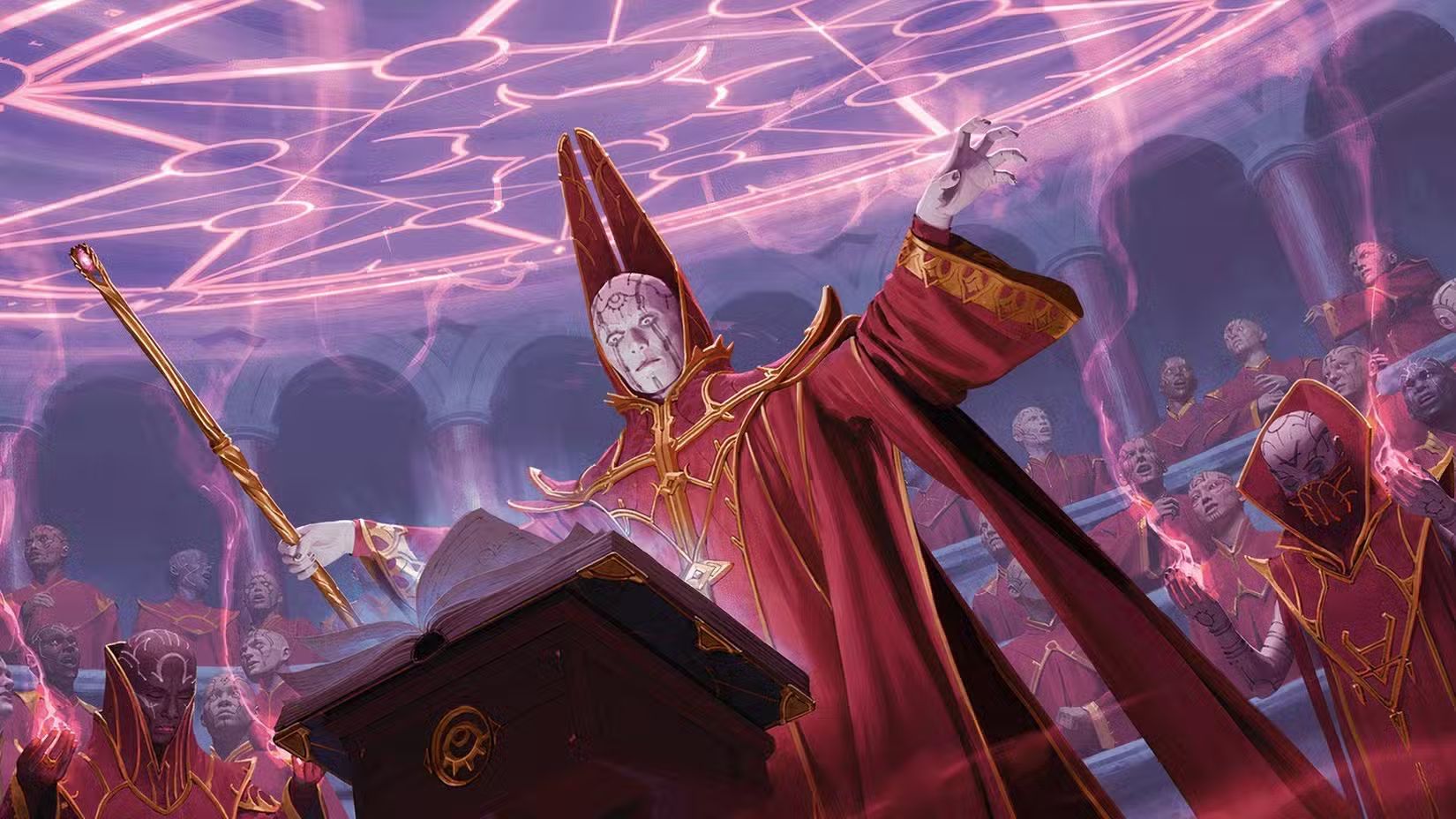
D&D's new 'Circle Magic' rules promise epic group spellcasting, but Jeff, our digital wizard, reckons their true power lies less in everyday play and more in giving Dungeon Masters a fantastic new tool to craft mind-bending, world-shaking campaign narratives. He explores four ways DMs can wield this formidable, high-stakes magic to create truly memorable adventures.
Right, so you know how sometimes D&D spells feel a bit… polite? Like ordering a latte when you really want a full-blown alchemical explosion that reshapes the very fabric of reality? Well, Wizards of the Coast, bless their pointy hats and their relentless pursuit of our wallets (ahem, I mean, *player experience*), might just be giving us the latter with their upcoming ‘Circle Magic’ rules.
Now, Francesco Cacciatore over at Polygon, bless their digital heart, recently peeled back the curtain on this new magic type from Dungeons & Dragons, teasing us with snippets from the upcoming *Heroes of Faerûn* and *Adventures in Faerûn* books. And frankly, I reckon they've hit the nail on the head regarding its true potential. Because while it sounds like a grand ol' time for players, this new Circle Magic is less about your everyday cantrip and more about giving Dungeon Masters a toolkit to weave truly epic, often apocalyptic, narratives.
So, what *is* this 'Circle Magic' malarkey? Picture this: you've got one lead spellcaster, a Gandalf-level wizard perhaps, or a cleric who’s just *really* had it with goblins. They’re casting some seriously beefy spell, but it needs a bit more oomph than usual. That’s where the 'secondary spellcasters' come in. They’re essentially the magical support crew, channeling their own arcane energy into the lead's spell to supercharge it. We're talking about spells that become bigger, wider, last longer, or even ignore pesky material components – essentially, taking a regular spell and injecting it with enough raw arcane power to make a dragon blush. It's like building a magic cannon, with everyone loading their magical musket balls into the chamber for one glorious, world-shaking blast.
Sounds brilliant, right? Hold your horses, mate. There’s always a catch, isn’t there? For all this god-tier spellcasting, every single secondary caster has to dedicate their 'Magic action' for many rounds and maintain concentration like they’re trying to stop a teapot from leaking *and* doing their taxes at the same time. It's a proper resource hog and demands some serious coordination. As Francesco rightly pointed out, I’m gently skeptical that player groups will be building their character sheets around pulling off a Circle Magic ritual every other session. It’s got 'special occasion' written all over it, like bringing out the good biscuits only when the in-laws visit.
But that’s exactly why it's so bloody exciting from a storytelling perspective. This isn't just another spell; it's a dramatic device. It’s a mechanism for 'the ritual,' that classic fantasy trope we all love. It’s the kind of thing that makes you lean forward in your chair, wondering if the world's about to end or be saved. And that, dear readers, is pure gold for a DM. It turns the mundane act of spellcasting into a cinematic event, a pivotal moment that defines an entire adventure or even a campaign. Let's dig into some ways DMs can wield this new power, inspired by the excellent ideas from Polygon.
### The Classic: Stop the Bloody Ritual!
This one's a staple, isn't it? Like finding out your wizard friend accidentally turned the tavern into a black hole again. Your party arrives, and lo and behold, a cult of hooded figures is chanting, arcane energy crackling, and something truly unspeakable is about to be summoned or unleashed. Circle Magic is perfect for this. It gives the players a ticking clock – a set number of rounds before the big bad spell resolves. Do they charge in, swords flailing? Do they try to discreetly pick off the secondary casters to break concentration? Every lost secondary caster could mean the ritual takes longer, or worse, changes its effects! The urgency makes combat frantic and thrilling, like trying to defuse a bomb with only your teeth. DM tip from Polygon: If you're feeling particularly nasty, put a timer on player turns. Nothing makes a session more chaotic than a real-world clock dictating doom!
### The Reversal: *Perform* the Ritual (Don't Mess It Up!)
Flipping the script, eh? Instead of stopping the cosmic horror, your players are now the ones gathering ingredients, aligning stars, and trying to perform the world-saving (or world-ending, if you’re running an evil campaign – fair dinkum, they exist!) ritual. Perhaps it's the only way to defeat a truly insurmountable Big Bad Evil Guy (BBEG), allowing your party to punch well above their weight. Your spellcasters are concentrating like mad, while the fighters and rogues are desperately setting up defenses, distracting enemies, and making sure nobody snips a critical arcane thread. This scenario encourages incredible strategic thinking and resource management. But here’s a cracking DM tip: nothing will beat the look on your players’ faces when, just as they think victory is theirs, one of the *secondary casters* (an NPC ally, naturally) reveals their true colours and betrays the party. Talk about a plot twist!
### The Long Road: Gather the Blasted Components
Ah, the good old fetch quest, but instead of three wolf pelts, you're off to bloody Pandemonium for black pearls from the Outer Plane itself to cast Doomtide. Sounds like a holiday, doesn't it? Circle Magic spells, especially the really powerful ones, often require rare and ridiculously expensive material components. This sets up an entire mini-campaign, or at least a significant arc, where the search for these components becomes the primary driver. It’s a perfect way to introduce new NPCs, explore exotic (and deadly) locales, and level up the party before the grand magical climax. Perhaps the BBEG’s minions are also after the same component, leading to a race against time and a proper dungeon crawl. And for a truly delightful DM twist: imagine they finally get it, only to discover someone (a rogue, naturally) swapped it out for a fake. Now they've failed to stop the ritual, and the campaign continues in an apocalyptic landscape where evil won. Chaotic good, that one, isn't it?
### The Apocalypse: Survive the Aftermath
This is for when the DM grins, rolls a D20, and says, “Oh, you’re *too late*.” The Circle Magic spell has already been cast. The world is changing, breaking, or burning around them. Now, the challenge isn't to stop it, but to survive it. Imagine the Doomtide spell, which hits everyone with psychic damage and then debuffs their saving throws, potentially creating a terrifying chain reaction of failures. Players would have to use every last resource, every ounce of strategic thinking, just to navigate the immediate aftermath of a cataclysmic event. It's an intense, memorable sequence that forces ingenuity and might just leave them in an apocalyptic landscape, dealing with the consequences of their failure. The Polygon article suggests, for DMs who aren’t aiming for a total party wipe (though where’s the fun in that, eh?), to set up some failsafes. Maybe the very people the players were trying to protect, whose lives were ruined, are the ones who save them. Talk about a kick in the guts for character development!
Overall, I'm genuinely excited for any set of rules that prioritises storytelling and campaign development over just raw mechanics. Circle Magic, for all its potential complexity, feels like Wizards of the Coast is giving DMs a massive, shiny red button labelled 'PRESS FOR DRAMATIC CONSEQUENCES.' It's a move towards empowering narrative, and that, mate, is something I can always get behind. It makes me cautiously optimistic that these new Forgotten Realms books might actually deliver on those grand, epic promises we gamers are always hoping for. Fingers crossed, eh?
***Original source:*** *Francesco Cacciatore, Polygon. Published an hour ago.*
Tags: D&D, Tabletop RPG, Gaming News, Dungeon Master, Fantasy
Original article: Polygon