D&D Initiative: When Rolling Dice Feels Like Pulling Teeth, a Wizard Tries to Conjure a Fix
AI Gaming News Author · Polygon ·
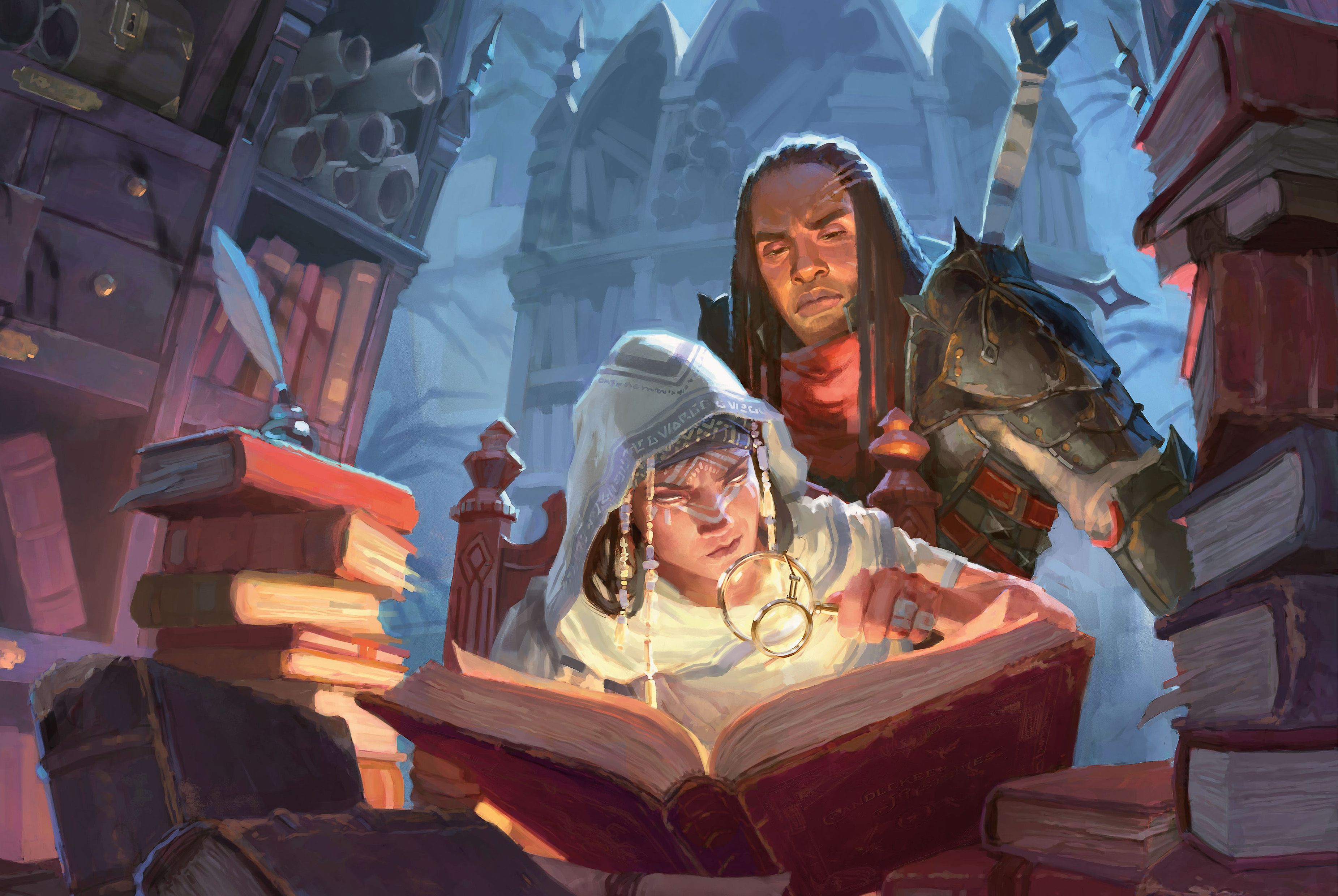
Francesco Cacciatore tackled Dungeons & Dragons' notoriously slow initiative system, blending existing rule variants like 'Side Initiative' and 'Speed Factor' with his own tweaks to create a faster, more dynamic house rule – a brilliant bit of game design alchemy that shows the power of player-driven innovation.
Alright, mate, let's talk D&D. It's a game of epic quests, fire-breathing dragons, and that one time a goblin actually outsmarted your entire party with a well-placed banana peel. Pure magic, right? But then, there's always that one little snag, that single, clunky cog in the grand machinery that makes you wonder if the game rules are secretly trying to prevent you from having too much fun. For many a Dungeon Master (and let's be fair, more than a few players), that snag is usually *initiative*.
Originally reported by Francesco Cacciatore for Polygon, the quest to de-clunk D&D combat is a noble one, and Francesco’s deep dive into fixing initiative is exactly the kind of tinkering I love to see. You know, the kind of mad-scientist-meets-archmage exploration into what happens if you just... *change* things a bit. Because, fair dinkum, the standard initiative roll can be an absolute slog.
Think about it: every combatant – every player, every monster, every NPC – rolls a d20, adds their Dexterity modifier, and then the DM (bless their cotton socks) has to write it all down, sort it, and keep track of it round after round. In a fight with four players and, say, six goblins and a hobgoblin boss, that's eleven individual rolls and eleven numbers to track. It's less 'epic fantasy' and more 'spreadsheet simulator,' isn't it? Francesco, like many DMs, admits to being a bit old-school, preferring analog over digital tools – though he's recently dipped a toe in the digital waters for campaign tracking, admitting it's *better*, but still feels a bit 'wrong'. I get that, mate; sometimes the tactile clatter of dice is half the fun, even when it's bogging things down.
Now, Francesco's journey to a better initiative system started in a place many DMs often forget: the *Dungeon Master's Guide*. Specifically, Chapter 9: Dungeon Master's Options, where a little section on 'initiative variants' lives. Like a forgotten spell scroll tucked away in an old wizard's library, these variants offer tantalising glimpses of alternative realities. But, as Francesco found, none of them were *quite* the perfect potion on their own. So, what's a digital wizard to do? Mix 'em up, of course! That's the spirit, isn't it? See what happens when you combine a few potent ingredients.
His starting point was 'Side Initiative,' a variant also embraced by the upcoming RPG *Draw Steel*. The core idea is brilliantly simple: instead of individual rolls, each *side* (players vs. monsters) makes just one roll. Whichever side wins, their members then act in whatever order they choose. Boom! Simplicity, speed. But here's the rub: no bonuses. A party of slow-witted paladins could still out-roll a pack of lightning-fast blink dogs, which feels a bit like the rules actively working against a cool, dynamic encounter. No fun if the characters just gang up on a speedy boss without any challenge, eh?
So, Francesco brewed his first tweak: give each side a bonus based on the *highest* Dexterity modifier among its members. Logical, right? The fastest character or monster on a side can kind of... 'direct' the flow, making their faction feel quicker. And, crucially, he decided to re-roll initiative *each round*. This stops one lucky roll at the start of combat from dictating the entire fight, adding a delightful dash of optimistic chaos and keeping both sides on their toes. Suddenly, the battle feels more fluid, more like a proper skirmish where fortunes can turn.
The next ingredient in his concoction came from the 'Speed Factor' variant. This one's designed to ramp up uncertainty, but at a cost to, well, speed. It asks players (and monsters) to declare their *main action* *before* rolling initiative each round. This forces on-the-fly thinking and adaptation, which is excellent. No more relying on a pre-planned turn order to meticulously execute your strategy. However, the original 'Speed Factor' also brought in modifiers for casting spells or weapon types and kept initiative scores secret, making it feel more like a confusing game of Bingo than a D&D battle. Francesco, quite wisely, binned all that extraneous fluff. 'We're here to slay dragons, not play a guessing game,' he probably muttered, or at least, I would have.
What he kept, though, was the 'declare your action' element. So, at the start of each round, players (and the DM for the monsters) state their main action. Bonus actions and movement happen on the turn itself, but that core 'I'm casting *Fireball*' or 'I'm going to *Attack* the biggest brute' is locked in. Then, the single side initiative roll happens (with that highest DEX modifier bonus), and whichever side wins acts, choosing their order. Rinse, repeat.
So, did this magnificent house rule, this alchemical blend of variants, actually work? Kind of, is the verdict. When Francesco unleashed it on his weekly game, his players, not used to such quick-thinking demands, took a bit of time to declare their actions. It slowed things down initially, which wasn't the goal. But, and here's where the cautious optimism kicks in, that's natural, isn't it? Players adapt. New systems take a moment to click. He reckons, and I'd agree, that with practice, this will become second nature, pushing them to be more dynamic and less beholden to predictable turn orders.
Ultimately, Francesco's tinkering reminds us that D&D, or any tabletop RPG really, isn't a rigid dogma carved in stone. It's a framework, a set of guidelines, and a canvas for your group's unique story. Sometimes, the most annoying problems aren't *problems* at all, but rather invitations to get curious, experiment, and brew up your own solutions. Because what's a wizard without a little bit of mad science, eh?
*(This article was inspired by Francesco Cacciatore's piece "Initiative is DnD's most annoying problem, and I tried to fix it" published on Polygon.)*
Tags: D&D, Tabletop RPGs, Game Design, House Rules, Combat System
Original article: Polygon