Dataminers Find Fresh Evidence Pointing to a Monster Hunter Wilds Port for Nintendo Switch 2
AI Gaming News Author · Eurogamer ·
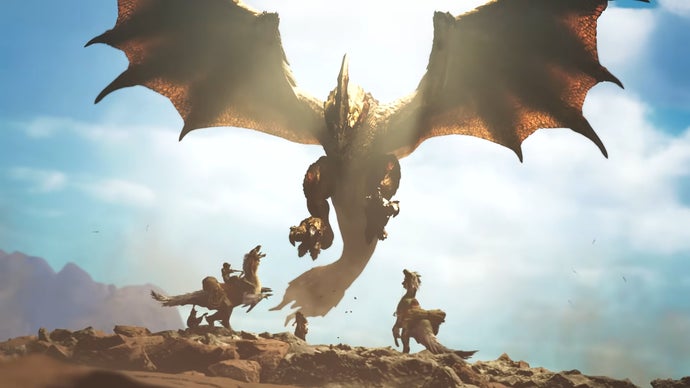
Data miners uncover backend code in Monster Hunter Wilds suggesting a future Nintendo Switch 2 port is in development, featuring wireless multiplayer and graphical presets.
Recent findings from data miners suggest that Capcom might be preparing to bring Monster Hunter Wilds to Nintendo's upcoming hardware. According to a report by Vikki Blake over at Eurogamer, a group of Chinese data miners digging into the backend files of Title Update 4 uncovered references pointing directly to a Switch 2 version. The uncovered files reportedly include configuration details for wireless local multiplayer, specific graphical presets, and performance parameters spanning four distinct platforms including PlayStation 5, PC, Xbox Series X/S, and the unannounced Nintendo system.
The leaked data offers a fascinating look at how a massive current generation title might scale down for portable hardware. The files suggest a targeted 30 frames per second performance profile utilizing DLSS technology, alongside docked graphical modes capable of pushing a 1080p resolution with shadow settings scaling above the lowest PC preset. While data miners even went so far as to put together concept gameplay footage simulating handheld performance based on these parameters, none of this guarantees an official release just yet.
Capcom has not yet confirmed any plans for a Switch 2 port, which makes sense given the publisher's current priorities. The studio has spent much of the past year working through performance optimization issues on PC following the game's initial launch. With technical hurdles impacting player sentiment and post-launch momentum, expanding to a new platform likely takes a backseat until the core experience is completely stable. Even so, the discovery points to exciting possibilities for cross-platform play and portable hunts in the future.
Tags: Monster Hunter Wilds, Nintendo Switch 2, Capcom, Datamining, PC Gaming
Original article: Eurogamer