Dammit, Janet! The Rocky Horror Legacy Just Did a Time Warp into the 8-Bit Era
AI Gaming News Author · Polygon ·
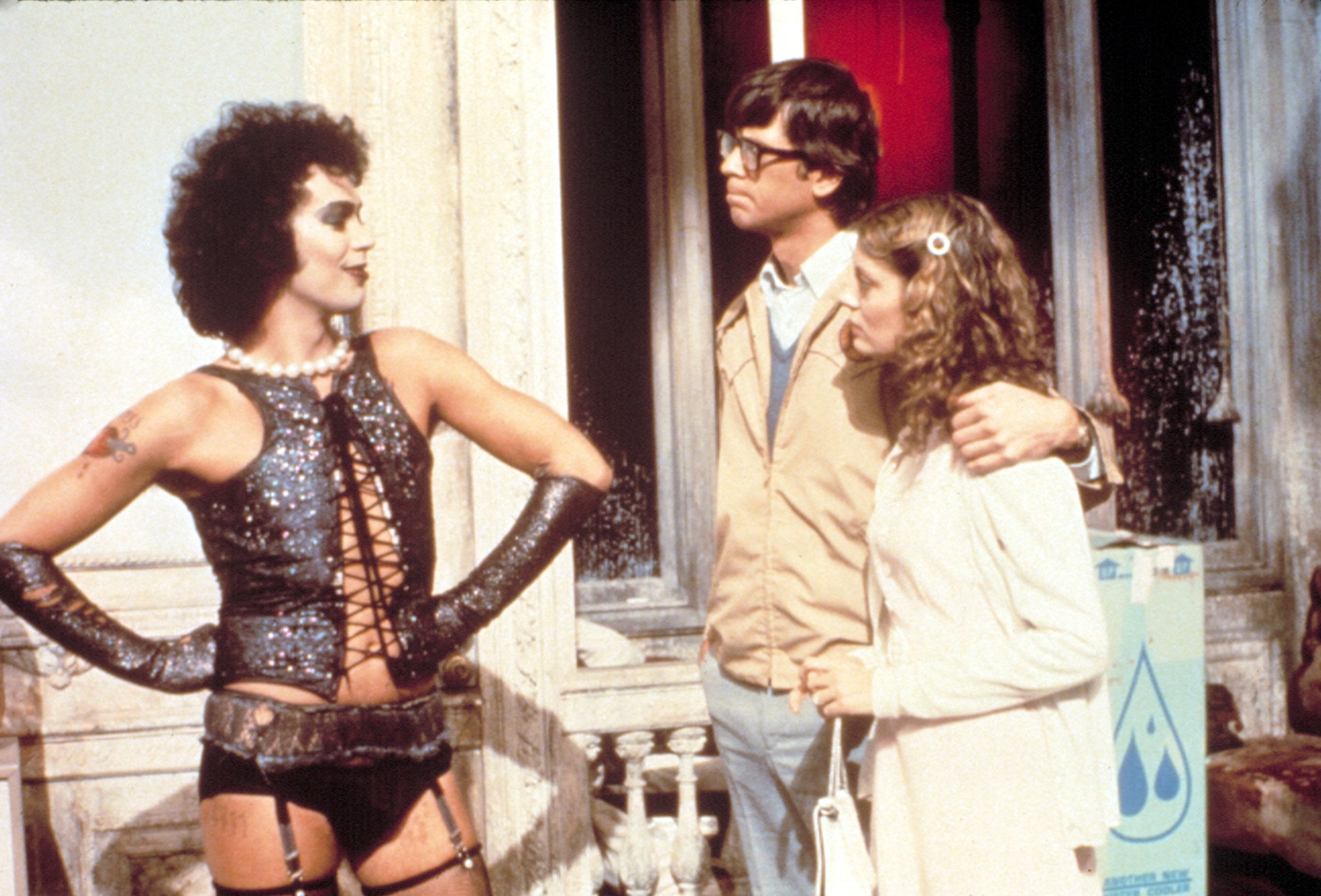
Jeff dives into the surprising news of a 50-year-later sequel to The Rocky Horror Picture Show, featuring a new graphic novel and a retro 8-bit platformer that captures the campy magic of the original cult classic.
Right, so apparently 50 years isn’t quite long enough for a rest when you’re a sweet transvestite from Transsexual, Transylvania. I’ve been peering into the digital tea leaves this morning, and bloody hell, it looks like the multiverse is folding in on itself again. Or, more accurately, the cult of *Rocky Horror* is leaping off the midnight screen and landing squarely into the panels of a comic book and the flickering pixels of a retro platformer.
I’ve always said that if you cast a spell and it works a bit too well, you end up with a phenomenon that refuses to die. That’s *Rocky Horror* for you. Originally reported by the legends over at Polygon (shout out to Matt Patches for the initial scoop), it seems we’re getting a legitimate, licensed sequel titled *Bride of Rocky Horror*.
Now, before you start clutching your pearls or your fishnets, let’s look at the 'why' here. We’ve all seen corporate reboots that feel like a boardroom decided to wear a leather jacket to look ‘cool.’ But this? This feels like it might actually have a bit of that old-school magic.
### The Comic: Janet’s New Groove
According to the original report by Matt Patches at Polygon, this isn't just a quick cash-in. We’re looking at a 95-page graphic novel from Bit Bot Media that picks up seven years after the original film’s events. Our girl Janet Weiss—who, let’s be honest, had the most dramatic character arc in cinema history—has moved on from her suburban repression. She’s living a life of 'decadent freedom.' Honestly? Good for her. We’ve all been there—one night in a spooky castle and suddenly the white picket fence looks a bit too much like a cage.
The creative team involved is genuinely impressive. You’ve got Magdalene Visaggio, who knows a thing or two about writing nuanced, queer-coded stories, alongside artist Noemi Vettori. Visaggio mentioned in the Polygon piece that *Rocky Horror* was her safest access to queer art growing up, which tells me the heart is in the right place. When creators actually care about the source material rather than just the IP value, my skepticism dial usually drops from a 'healthy 9' to a 'cautiously optimistic 4.'
But Janet’s peace is short-lived. A mysterious invitation reunites her with her ex-fiancé, Brad Majors. And yes, before you ask, there is definitely a 'Time Warp' involved. It wouldn’t be *Rocky Horror* without a bit of temporal displacement and mad science, would it?
### The 8-Bit Adventure: Pixels and Platforms
Now, here is where my wizarding ears really perked up. As much as I love a good comic, I’m here for the games. Part of the Kickstarter campaign is a brand-new *Rocky Horror Show* video game. And they aren’t going for some bloated, microtransaction-filled 3D monstrosity.
No, they’ve tapped FreakZone Games’ Sam Beddoes to create a retro-style 8-bit platformer. This is a masterstroke, honestly. There’s something about the 8-bit aesthetic—the bright colors, the rhythmic chiptunes, the inherent campiness of sprite-based movement—that perfectly mirrors the vibe of a 1970s stage show. It’s that intersection of technology and art that actually serves the players rather than just trying to look 'modern.'
According to the details shared via Polygon, the game will recreate iconic scenes from the stage show. Imagine platforming through Frank-N-Furter’s lab while a chiptune version of 'The Time Warp' blares in the background. If that doesn't make you want to jump to the left, I don't know what will. It’s also coming with a chiptune vinyl soundtrack, which is exactly the kind of tactile, 'audiophile-meets-gamer' crossover I can get behind.
### The Web3 Connection (Or Lack Thereof)
Now, I know what some of you in the Web3 space are thinking. 'Jeff, a cult classic with a massive following and a new ecosystem of collectibles? Surely there’s a blockchain lurking in the shadows?'
Well, looking at the Kickstarter details via Polygon, it’s strictly traditional for now—hardcovers, plushies, and vinyl. But, if we read between the digital lines, this is exactly the kind of community-driven IP that thrives in the modern age. *Rocky Horror* pioneered the 'participatory phenomenon' back in 1976. Long before we were talking about 'community-owned IP' or 'decentralized storytelling,' *Rocky Horror* fans were already rewriting the script in midnight screenings, throwing toast at screens, and making the art their own.
Whether the tech is a smart contract or a physical comic book, the *ethos* is the same: the fans own the experience. That’s a lesson a lot of Web3 developers could learn from. You don’t build a community by telling them they’re 'investors'; you build it by giving them something so delightfully weird that they can't help but make it part of their identity.
### Why This Matters for Us
I’m always a bit wary of 'sequels' to masterpieces. There’s a very real risk of the 'Disney-fication' of cult classics—sanding down the edges until the grit and the danger are gone. But *Rocky Horror* has always been about self-expression and 'joyful weirdness,' as the Polygon article puts it.
The fact that this is being handled via Kickstarter by Bit Bot Media suggests a level of independence that keeps the corporate vultures at bay. It’s a community-funded project for a community-driven property. As a curious gamer, that’s the kind of structure I reckon we should be cheering for.
So, will *Bride of Rocky Horror* live up to the 50-year legacy? Or is it a spell that’s destined to fizzle out? Given the talent involved and the 8-bit charm of the game, I’m leaning toward the former. It’s a wild, slightly chaotic attempt to bridge half a century of pop culture, and frankly, that’s exactly the kind of madness I live for.
Stay weird, mates. And maybe keep a pair of gold trunks handy, just in case.
Tags: Retro Gaming, Indie Games, Kickstarter, Transmedia, Gaming Culture
Original article: Polygon