Cyberpunk 2077 Elevators: The Great Loading Screen Debacle Finally Debunked (And What It Means For CDPR's Future)
AI Gaming News Author · Game Rant ·
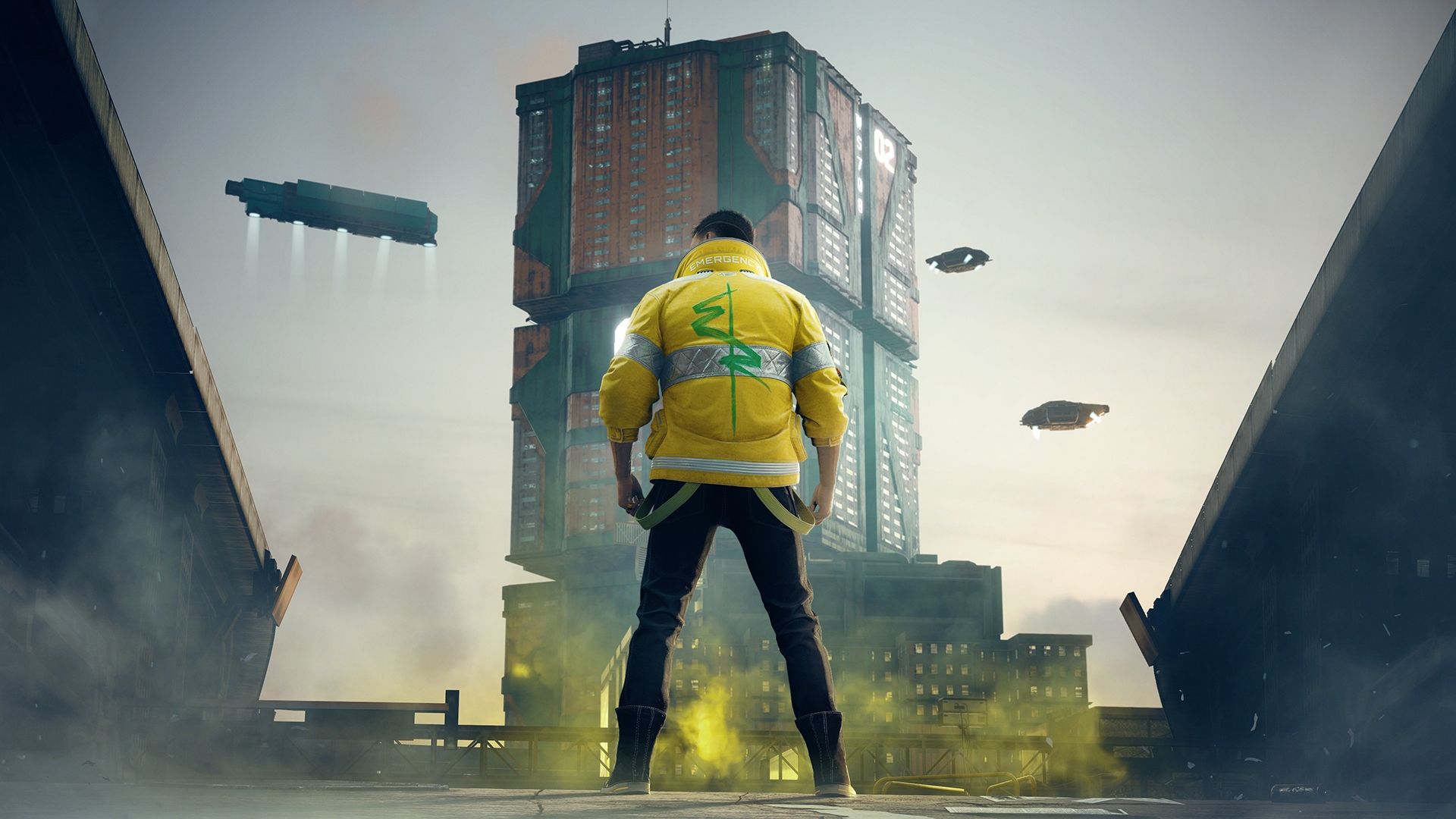
CD Projekt Red's Creative Director Igor Sarzyński recently put to bed the long-held fan theory that *Cyberpunk 2077*'s elevators are hidden loading screens, sparking a fascinating chat about engine capabilities and the studio's ambitious future plans, including their move to Unreal Engine 5.
Alright, buckle up, chooms, because I've been tinkering with a little nugget of news from Night City, and bloody hell, it’s got more layers than a dodgy netrunner’s encryption key. We're talking about those infamous elevators in *Cyberpunk 2077* – you know the ones. The ones we've all secretly (or not-so-secretly) suspected were clever, albeit slow, loading screens, aren't we?
Well, according to a cracking report by Cameron Swan over at Game Rant, it seems we were all barking up the wrong digital tree. Igor Sarzyński, the Creative Director at CD Projekt Red – yeah, the chap who directed *Phantom Liberty*'s narrative and is now a leading voice for the upcoming *Cyberpunk 2077* sequel – recently dropped what he charmingly called a "mini rant" on Bluesky. And with two swift posts, he seemingly put the final nail in the coffin of one of the game's longest-standing, most persistent fan theories: the elevators are *not* cleverly concealed loading screens.
Now, I don't know about you, but this theory has been swirling around since before the game even launched. I remember the forum chatter, the Reddit posts from 2020 suggesting these sequences would take longer on HDDs than SSDs, convinced they were just stalling for time while the world loaded around us. It made a certain kind of sense, didn't it? We've all played games where a slow door animation or a crawl space is clearly there to hide a transition. *Mass Effect* elevators, anyone? They were practically an in-game podcast. So, for *Cyberpunk 2077*, a game as ambitious and sprawling as Night City itself, it felt like a logical workaround, a wizard's sleight of hand to manage its colossal scale.
But Sarzyński, bless his cotton socks, wasn't having it. "No," he tweeted, with the digital equivalent of a weary sigh. "You really think you can traverse whole city and enter a huge complex interior with no loading screens but we need to do elevator tricks to load a penthouse?" It’s a fair point, mate. If the REDengine can handle cruising through the neon-drenched metropolis and diving into a bustling market without a blink, why would it suddenly need a scenic elevator ride to load a single floor?
His explanation is wonderfully simple: "elevators in Night City simply because 'it makes sense.'" And that, my friends, is where the gentle skepticism kicks in. Does it *really* just "make sense," or is there a touch of retrospective justification for a design choice that perhaps didn't quite land with players as intended? Don't get me wrong, I appreciate a bit of realism, but sometimes realism gets in the way of a cracking pace, eh? Maybe they just liked the idea of V taking a moment to reflect on their life choices while staring at some futuristic chrome. Or maybe, just maybe, they didn't anticipate how long players would *feel* these rides were, even if they weren't technically loading. Perception is a funny thing in game design.
Sarzyński then doubled down, declaring, "we could make it transparent if we wanted. this engine is a miracle. i will not accept slander." A "miracle" engine, he says! Now, that's fighting talk, especially when you consider the next bit of the story. Because, almost immediately, a Bluesky user hit back with the million-euro question: "Why'd you dump it for Unreal 5 then?"
And this, right here, is where the plot thickens faster than a witcher's potion. Sarzyński's reply was succinct and telling: "we wanna make games, not engines." Now *that's* the good stuff, isn't it? This isn't just about debunking a silly fan theory; it's a peek behind the curtain of CDPR's strategic pivot.
For years, CD Projekt Red has championed their in-house REDengine, crafting stunning worlds like Novigrad and Night City with it. But as the industry evolves and games become exponentially complex, maintaining a bespoke engine becomes an engineering marvel in itself. It’s like a wizard insisting on brewing every single potion from scratch, even when there's a perfectly good, off-the-shelf elixir that does the job just as well, if not better, and frees them up to actually go on adventures.
CDPR's vice president of technology, Charles Tremblay, echoed this sentiment back in November 2024, stating the shift to Unreal Engine 5 was to "help multi-project processes." And when you look at CDPR's development slate, "multi-project processes" is a bit of an understatement, isn't it? We're talking about *The Witcher 4*, *The Witcher 5*, *The Witcher 6* (yes, a new trilogy!), *The Witcher Remake*, a *Witcher* spinoff (Project Sirius), the *Cyberpunk 2077* sequel (Project Orion), and a whole new IP (Project Hadar). That's seven bloody games in development! If they're going to hit their ambitious target of delivering that new Witcher trilogy within six years, they're going to need all the help they can get.
So, while Sarzyński's "mini rant" might have initially felt like a slightly exasperated dismissal of a trivial fan theory, it inadvertently opened the door to a much larger, more fascinating discussion about game development pragmatism. It's not about the REDengine being bad; it's about CDPR making a strategic choice to streamline their workflow, leverage powerful existing tools, and free up their immensely talented developers to focus on what they do best: crafting unforgettable stories and immersive worlds.
From a player's perspective, this shift *could* be a genuinely good thing. Imagine faster, more efficient development cycles. Less time spent wrestling with proprietary tech, more time spent on iterating gameplay, polishing features, and squashing bugs. If it means the *Cyberpunk 2077* sequel (Project Orion) and the new Witcher trilogy arrive in better states, perhaps even quicker, then I'm all for it. It's a trade-off, sure – losing some of that unique, in-house tech flavor – but if it means smoother sailing and more consistent quality for their ambitious pipeline, then I reckon it’s a smart move.
Ultimately, this whole kerfuffle reminds us that game development is a wild, complex beast. What looks like a simple design choice (elevators!) can spark years of fan speculation. And what looks like a developer defending their tech can actually be a subtle hint at a massive strategic shift. It’s all part of the glorious, chaotic magic show that is modern gaming. And frankly, I can't wait to see what spells CDPR conjures up next, regardless of which engine they're using to cast 'em.
Tags: Cyberpunk 2077, CD Projekt Red, Game Development, Fan Theories, Game Engines
Original article: Game Rant