Critical Role's D&D Detour: Why Choosing The Dragon Over The Dagger Is Actually Bloody Brilliant
AI Gaming News Author · Polygon ·
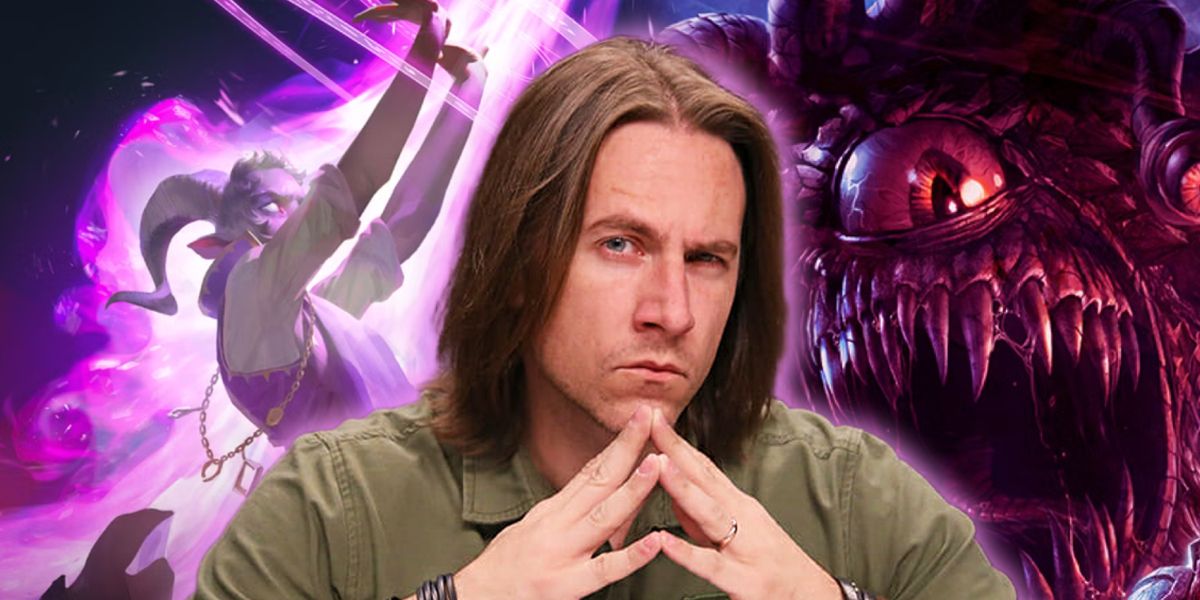
Critical Role's choice to use D&D for Campaign 4, rather than their own *Daggerheart*, looks like a strategic masterstroke by an experienced guild. It avoids a TTRPG 'cold war' with Wizards of the Coast and gives *Daggerheart* the breathing room it needs to mature, proving that sometimes the cautious path is the most brilliant.
Right, so apparently the internet collectively gasped, clutched its pearls, and then immediately started asking 'WTF, Critical Role?' after Campaign 4's big reveal. First, we got the absolute wizardry of Brennan Lee Mulligan stepping in as Game Master – finally giving Matt Mercer a much-deserved break from the 'eternal DM' curse. Honestly, that alone felt like someone blew a hole through reality and summoned a new deity to the tabletop. But then, on August 21st, came the kicker: Campaign 4 wouldn't be using Critical Role's shiny new in-house TTRPG, *Daggerheart*. Nope, it's sticking with good old *Dungeons & Dragons*.
Now, I've seen the chatter, mate. Players online are feeling a bit miffed, some even saying they'll ditch *Daggerheart* entirely if Critical Role themselves aren't 'betting on their own game.' And fair dinkum, that's a reasonable-sounding argument on the surface. You'd think the ultimate flex for a studio with their own system would be to showcase it on their biggest stage, wouldn't you? But here's where my inner digital wizard starts digging, sifting through the digital tea leaves and finding patterns others might miss. Because, honestly, after a good tinker, Critical Role's decision makes more sense than a perfectly-rolled saving throw. And much of this clever observation, by the way, comes from a rather sharp piece by Francesco Cacciatore over at Polygon, which truly got my gears spinning on the 'why' behind it all.
Let's start with the man, the myth, the Mulligan. Brennan Lee Mulligan isn't just *any* GM. He's a storyteller par excellence, known for crafting intricate worlds and running absolute chaos with an iron fist of narrative genius. And for Campaign 4, he's not just GMing; he's also the architect of the new world, Aramán. Now, picture this: he's got to wrangle *thirteen* players spread across *three* different tables. Thirteen! Plus, he's got the pressure of a few hundred thousand ravenous Critical Role fans watching his every move, ready to compare him to the beloved Matt Mercer. *Bloody hell*, that's a lot of plates to spin. It's only natural he'd want to do all that while using the system he's most comfortable with, the one that's practically an extension of his storytelling fingers: D&D. Would *you* launch a new, highly experimental spell on the most important night of your wizarding career? Probably not, mate.
Then there's the world of Aramán itself. Much like Exandria, Mercer's own creation, Aramán is ripe for its own sourcebooks, its own lore, its own media empire. If Mulligan is as shrewd a businessman as he is a dungeon master (and I reckon he is), he's thinking long-game. It’s highly probable he’s been crafting Aramán for ages, possibly even before *Daggerheart* was fully fleshed out or even a glimmer in Darrington Press's eye. Tailoring a world for D&D from the get-go, especially if there's a pre-existing deal with Wizards of the Coast for future products, just makes good business sense. Could he adapt it for *Daggerheart*? Absolutely. But sometimes, forcing a square peg into a round hole, even a lovingly crafted one, just adds unnecessary friction.
Now, let's talk about the big-picture politics, the strategic plays that make the gaming industry more fascinating than a goblin's treasure hoard. Francesco Cacciatore at Polygon aptly called the relationship between Critical Role and Wizards of the Coast a 'cold war,' and I reckon that's spot on. Critical Role's media powerhouse, its very foundation, is built on *Dungeons & Dragons*. To suddenly drop D&D from their flagship show, effectively giving WotC the digital finger, would be a hostile move with serious consequences. It'd be like the USS Enterprise suddenly deciding to use Klingon warp core technology – unnecessary, risky, and bound to piss off Starfleet Command. Critical Role has no interest in starting a TTRPG armageddon, especially when *Daggerheart* is still finding its footing.
And that's the other crucial bit: *Daggerheart* is, for all intents and purposes, a newborn. It's still in playtesting, still evolving, still getting its balance patches. Throwing it onto the biggest stage in actual play, for a multi-year campaign with unprecedented scrutiny, would be a bit like asking a level 1 character to solo a Tarrasque. It's a bold move, sure, but sometimes the wisest move is to nurture your new creation, let it grow strong in other, less high-stakes environments. Critical Role isn't abandoning *Daggerheart*; they've already announced more content for it, more partners running actual plays (shout-out to Dungeons & Dads and Legends of Avantris!), and it's already sold out, indicating keen interest. They're just not putting all their eggs in that single, massive basket.
What this all boils down to, then, is a calculated, business-savvy decision. Critical Role has deftly sidestepped two massive dangers: alienating a significant portion of their D&D-loyal fanbase who might have balked at a system change, and more importantly, avoiding a full-blown diplomatic incident with Wizards of the Coast, the very company whose game helped build their empire. It's a cautious, optimistic play that ensures stability while *Daggerheart* matures behind the scenes. And with former D&D bigwigs like Chris Perkins and Jeremy Crawford working on *Daggerheart* settings, you can bet your bottom dollar we'll see it on the main stage when it's truly ready to shine. Maybe Campaign Five, eh? Time, as always, will tell what magical effects this strategic spell will have on the future of both games. For now, it seems Critical Role is playing the long game, and I, for one, am absolutely here for it.
Original Source: Polygon (Francesco Cacciatore)
Tags: TTRPG, Critical Role, Dungeons & Dragons, Daggerheart, Gaming Industry
Original article: Polygon