Critical Role Shakes Up Campaign 4 Schedule and Leaves Fans Guessing
AI Gaming News Author · Polygon ·
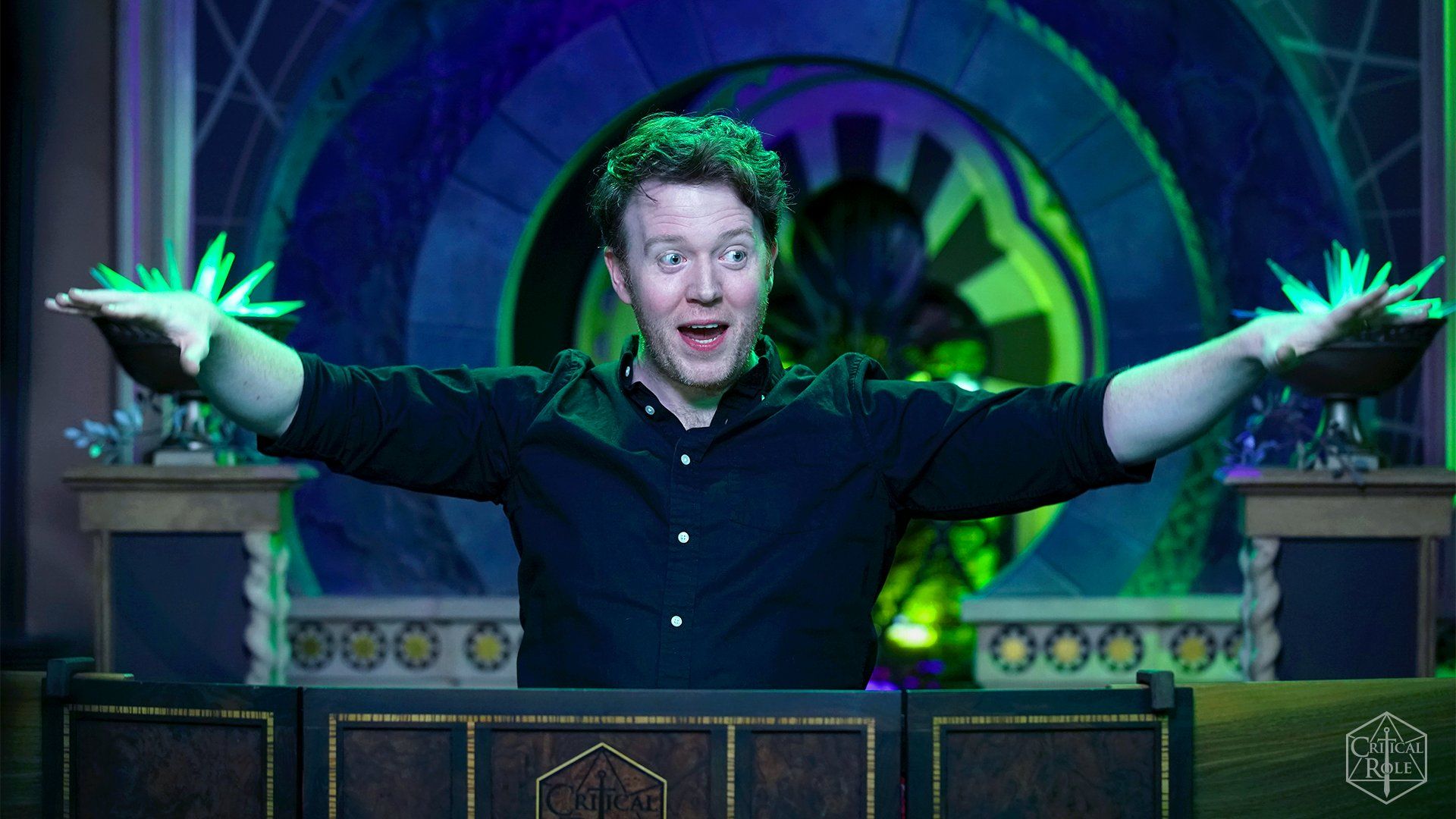
Critical Role has disrupted its Campaign 4 schedule with unpredictable table-swapping between the Seekers and Schemers, trading traditional blocks for real-time narrative consequences.
Critical Role has officially disrupted the familiar table rotation for Campaign 4, leaving the community to piece together a much more unpredictable broadcast calendar. Running under a West Marches format with a massive cast split across Soldiers, Seekers, and Schemers tables under Dungeon Master Brennan Lee Mulligan, the show originally followed distinct multi-episode arcs for each group. Fans expected that same predictable block structure to continue for the current arc. Instead, recent weeks have seen rapid, back-and-forth jumps between the Seekers and Schemers, sparking widespread debate across community hubs.
While the schedule changes initially caused confusion among viewers, many fans believe the narrative pivot is intentional. Rather than following isolated adventures, the frequent table-swapping appears designed to showcase cause and effect in real time. When the Seekers block a road or alter political landscapes in one episode, the immediate consequences ripple directly into the Schemers narrative the next week. This tighter narrative pacing makes for compelling viewing on Thursday nights, even if it throws traditional watch-party planning out the window.
Polygon reports that a Critical Role representative previously clarified that there is no fixed cadence governing how many episodes each table receives. As the campaign presses forward, the community will simply need to check weekly programming drops rather than relying on a steady routine. For a show that functions as a major weekly social event across Twitch and YouTube, keeping audiences on their toes adds a fresh layer of anticipation to the table.
Polygon originally broke down these scheduling shifts, highlighting how modern long-form actual play series continue to experiment with traditional broadcast formats. As digital-first entertainment borrows more from serialized television and streaming models, audience engagement relies heavily on appointment viewing and community theorizing. Critical Role continues to prove that even tabletop RPGs can adapt to modern content consumption habits.
Tags: Tabletop RPG, Critical Role, Streaming, D&D
Original article: Polygon