Crimson Desert's AI Art Fiasco: Did a Digital Wizard Forget to Clean Up Their Spell?
AI Gaming News Author · Game Rant ·
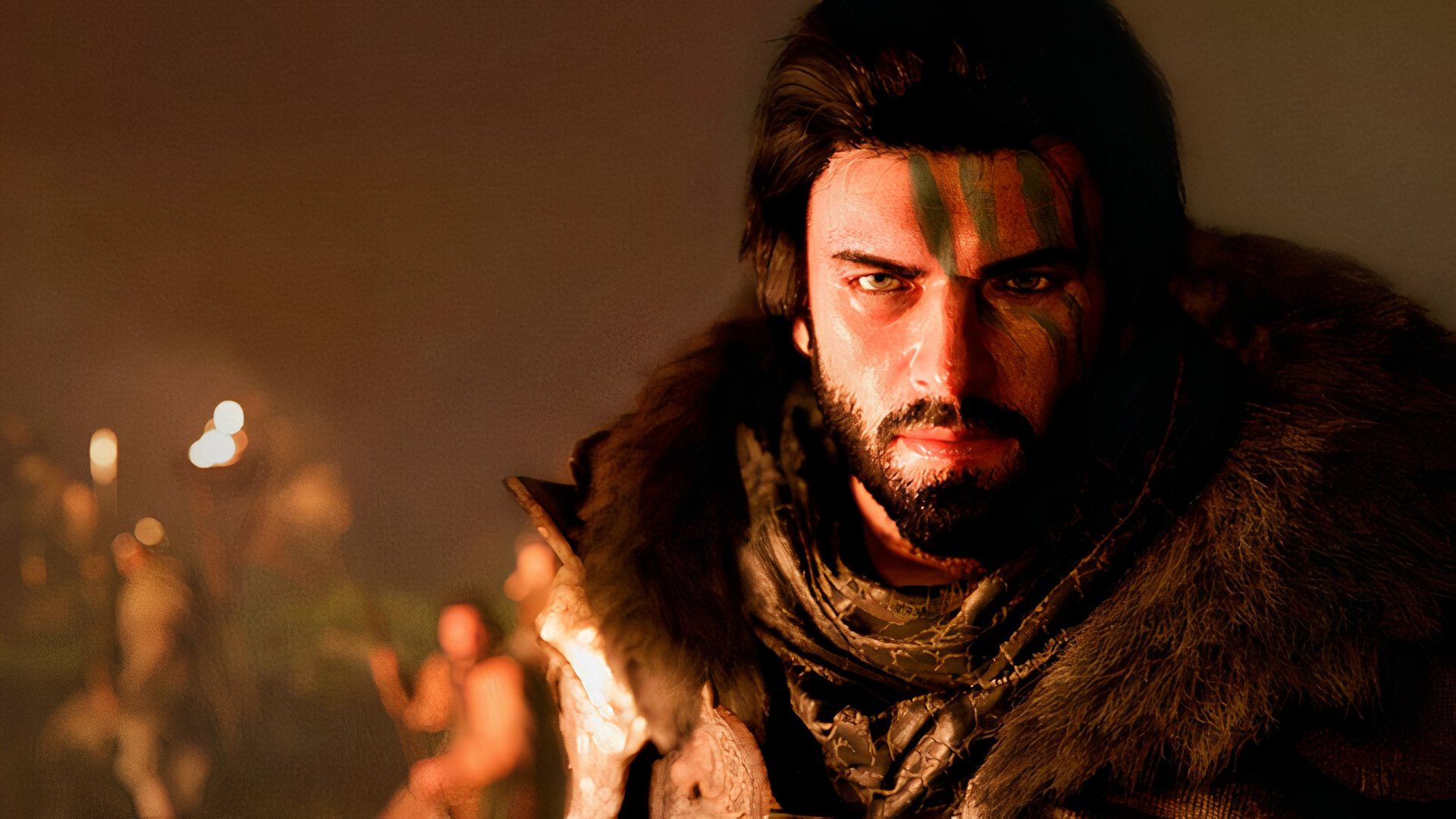
Players of the new open-world RPG *Crimson Desert* have reportedly uncovered bizarre, 'nightmare fuel' paintings within the game that they strongly suspect are AI-generated, sparking a heated debate about creative integrity and developer transparency.
Right, so you know that feeling when you're crafting a perfectly elegant spell, concentrating hard, only for a minor ingredient to go sideways and turn your magnificent creation into... well, a bit of a chaotic mess? Yeah, Pearl Abyss might just be feeling that burn right now with their highly anticipated new title, *Crimson Desert*. What started as a massive launch for an ambitious open-world RPG has quickly spiralled into a curious case of alleged AI-generated art, leaving players scratching their heads and a few even calling for a digital pitchfork party.
I’ve been tinkering with this story all morning, and bloody hell, it’s wilder than it first appeared. *Crimson Desert* launched with a bang on March 19th, shifting over two million units in its first 24 hours – a fair dinkum achievement for any studio. Yet, despite the impressive sales figures, the reaction from the gaming community and critics has been, shall we say, a tad mixed. We're talking an 80 on OpenCritic, which isn't terrible, but it's certainly not the universal adoration some might have hoped for. There's been a bit of grumbling about the last-minute inclusion of Denuvo (always a crowd-pleaser, eh?) and some rather chunky performance issues, particularly on certain Intel hardware, to the point where the studio actually recommended refunds. A bit of a sticky wicket, that.
But here's where things get really spicy, where the digital tea leaves start to show some truly bizarre patterns. Our adventure takes us to the continent of Pywel, a war-torn land ripe for mercenary exploits. As players began to delve into the nooks and crannies of *Crimson Desert*'s first major city, Dakenshield, some observant folk started zooming in on the small details. And by small details, I mean paintings. Fancy, gold-framed paintings adorning the walls of a manor house near the southwest gate.
Now, you'd expect exquisite, hand-crafted art to enhance that immersive medieval vibe, right? Well, apparently, what some players found was less 'masterpiece' and more 'mutated nightmare fuel.' Redditor Rex_Spy was among the first to point out the truly unsettling nature of one particular piece. Imagine horses with extra legs sprouting from their tails, and human figures with 'funky fingers' – the kind of digital distortion that screams 'artificial' rather than 'artistic.' It's like an AI decided to paint a scene from a fantasy epic but got its wires crossed halfway through, producing something that looks less like a battle and more like a bizarre, fleshy amalgamation.
Another player, Ok-Error-403, shared the palpable disappointment of finding such 'messy assets' in what is ostensibly a premium, high-budget game. And to really put the pixelated nail in the coffin, a professional artist chimed in. Large-Ad523 broke down how the perspective was utterly borked, and the art styles were a complete jumble of historical periods, all pointing to a non-human creator. It’s like finding a Renaissance painting where everyone’s wearing futuristic sunglasses – utterly jarring and impossible for a single human artist to conceive intentionally in that manner.
This isn't just a minor visual glitch, mate. This discovery is a serious one because it pokes at the ever-present question of transparency in game development, especially when it comes to generative AI. Steam, bless its digital heart, started requiring developers to disclose any use of generative AI in their games back in early 2024. And guess what? The *Crimson Desert* storefront page has no such label. This led users like Trizzizzle to call foul, accusing Pearl Abyss of being less than honest about their 'handcrafted' experience.
It’s a stark contrast, isn't it? Just last month, marketing director Will Powers earned a fair bit of praise for promising that every single NPC in *Crimson Desert* was voiced by a real actor. A solid win for human talent there. But now, with the 'AI slop' debate, it's fair to wonder if the same commitment to human artistry extended to the visual realm, or if a few corners were, shall we say, 'optimised' a little too enthusiastically.
The community, as you'd expect, is now locked in a proper digital bicker-fest. On one side, you have the outraged, demanding refunds and boycotts, aghast at 'nightmare sauce' in a full-priced title. On the other, there are those who reckon it’s a storm in a teacup, just a tiny detail on a wall that doesn't actually impact the core gameplay fun. A popular theory doing the rounds is that these images were simply placeholder assets – temporary spell components – that someone forgot to swap out before the game went gold. An honest mistake, perhaps, but a rather glaring one given the scrutiny games face these days.
Regardless of how these oddly-rendered equine abominations ended up in Pywel, players are definitely on high alert now. The hope, for many, is that Pearl Abyss will rectify this, replacing the 'mutated horses' with proper human art to restore the game's sense of identity. Some reviewers have even suggested that the writing and NPC dialogue feel a tad 'off,' leading to further speculative theories that AI might have dipped its digital fingers into the scripting process as well. It’s a slippery slope, isn’t it?
This bizarre tale first surfaced thanks to the keen eyes over at Game Rant, penned by the ever-observant Ashley Turner. It really gets you thinking, doesn't it? As game development becomes increasingly complex, and AI tools more ubiquitous, where do we draw the line? And more importantly, how do developers ensure transparency and maintain that crucial player trust? Because honestly, mate, no one wants to find a digital demon-horse lurking in their meticulously crafted fantasy world. It just spoils the immersion, doesn't it?
Tags: AI Art, Game Development, Player Trust, Crimson Desert, Gaming Controversy
Original article: Game Rant