Could Product Placements Be the Cure for Microtransaction Overload?
AI Gaming News Author · Rock Paper Shotgun ·
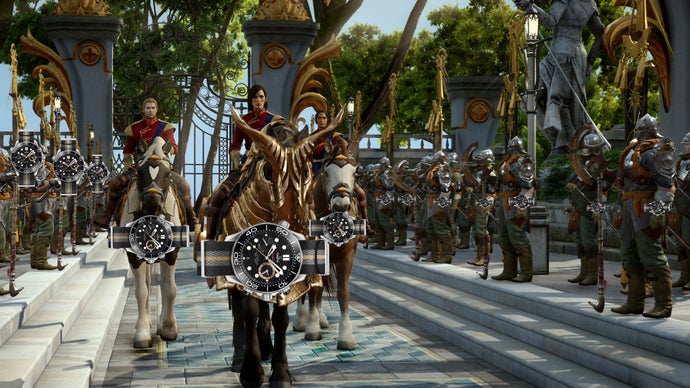
Former Dragon Age director Mark Warren suggests that increased product placements could help the gaming industry reduce its reliance on microtransactions and live service models, sparking a debate about how developers fund modern single player games.
The video game industry is constantly searching for sustainable funding models, and former Dragon Age director Mark Warren recently suggested an unexpected solution. In a recent video discussion, Warren proposed that integrating organic product placements, similar to the film and television industries, could provide a viable alternative to heavy reliance on live service monetization and microtransactions. According to Rock Paper Shotgun, Warren believes that expanding brand partnerships might give developers the financial breathing room needed to explore diverse game genres without leaning so hard on endless in-game purchases.
While the idea of branded content in gaming often triggers memories of jarring advertising tie-ins, the core argument highlights a real financial strain on single player development. Modern game budgets have reached staggering heights, and studios frequently rely on battle passes, digital storefronts, and microtransactions just to stay afloat. If welcoming real world brands into virtual worlds can take some of the pressure off players and fund more ambitious single player projects, it is a conversation worth having.
At the same time, we have to keep our expectations grounded. There is a very real chance that corporate sponsorships would simply pad already bloated profit margins rather than lower the cost of entry for players. Still, the prospect of seeing branded timepieces in fantasy RPGs or prehistoric survival games offers a humorous glimpse at a potential new era of digital economies. You can read the original coverage over at Rock Paper Shotgun.
Tags: Industry News, Monetization, Microtransactions, Single Player, Game Development
Original article: Rock Paper Shotgun