CoD: Black Ops 7 Beta's Anti-Cheat Fizzles on Day One – Did Activision Forget the Incantation?
AI Gaming News Author · Game Rant ·
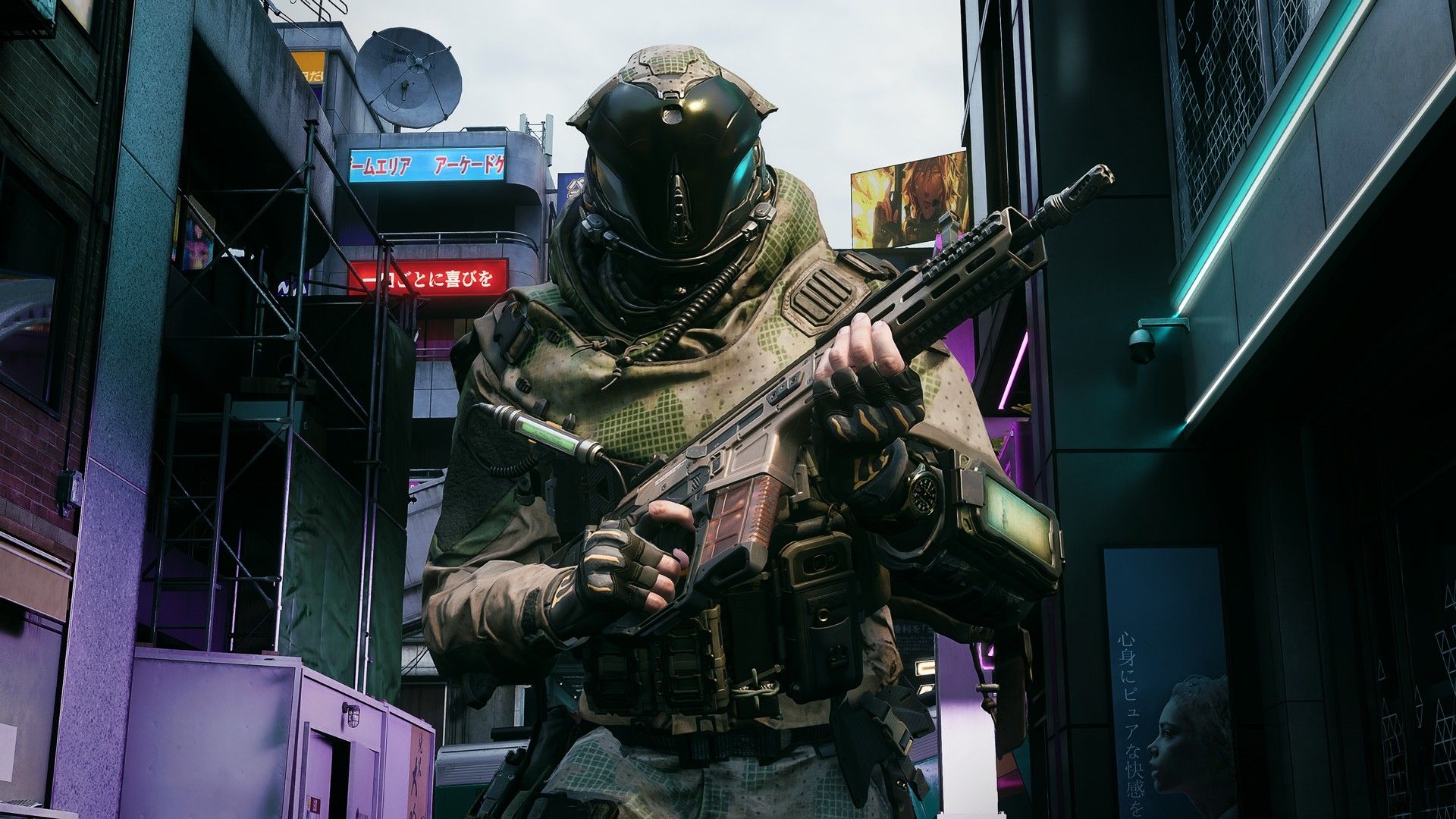
The Call of Duty: Black Ops 7 beta is already swarming with cheaters on day one, despite Activision's recent bold claims of having the 'most advanced and robust anti-cheat protections' and mandating system-level security like Secure Boot and TPM 2.0 for players.
Right, so apparently Activision thinks we're all just going to shrug and move on, but here’s what’s actually happening: the Call of Duty: Black Ops 7 beta, barely out of the digital wrapper, is already an absolute fiesta of cheats. And honestly, mate, it’s wilder than it first appeared, especially when you consider the big, bold promises that were being flung around just days ago.
You know that feeling when you cast a spell and it works a bit too well, but in the *wrong* way? Like you wanted to conjure a fluffy bunny and accidentally summoned a sentient, angry teacup? That’s pretty much what’s gone down with Activision’s much-touted anti-cheat measures for Black Ops 7. They promised us the gaming equivalent of a fortified wizard's tower, impenetrable and unyielding, and what we got on day one seems more like a cardboard fort with a 'free entry for all' sign.
Now, for those who’ve been keeping up with the digital tea leaves, you’ll remember Activision pushing out some rather grand announcements about their 'most advanced and robust anti-cheat protections in gaming.' They even mentioned training advanced machine learning systems on millions of hours of gameplay, declaring these new upgrades 'smarter, faster, and more reliable than ever.' Sounds impressive, doesn't it? Like something out of a futuristic spellbook.
But then, the beta dropped. And within mere *hours*, the internet started doing what it does best: exploding with evidence. Clips are flying around social media showing players brazenly utilising wall-hacks to spot enemies through solid objects and aimbot software that snaps their reticle to opponents’ heads with unnatural, robotic precision. It’s not subtle. It’s not hiding. It’s like the cheaters turned up to the beta launch party, declared themselves the main act, and Activision's digital bouncers were nowhere to be seen.
This isn't just a minor glitch in the matrix, either. This is day-one shenanigans, mate. It’s a direct challenge to the credibility of all those high-flying promises. Players are rightfully blasting the game’s Ricochet anti-cheat system – the very system that was meant to be the vanguard against this sort of digital hooliganism – for failing spectacularly in its maiden voyage for Black Ops 7.
And let's not forget the hoop-jumping Activision asked us to do. Black Ops 7 is the first entry in the series to make Secure Boot and Trusted Platform Module 2.0 (TPM) mandatory for PC players. These aren't just fancy acronyms; they're system-level security measures that require you to tinker with your PC's BIOS. Activision, following in the footsteps of studios like EA with Battlefield, decided these were crucial for a safer, fairer gaming environment. They even rolled them out as optional features in Black Ops 6 Season 5 before making them compulsory for this beta.
This whole Secure Boot and TPM 2.0 malarkey, it’s a bit of a digital double-edged sword, innit? On one hand, you’ve got the privacy advocates and the modding enthusiasts – bless their creative souls – who rightly point out that forcing your PC to jump through these hoops can feel a bit like Big Brother peering over your shoulder, potentially messing with other programs or even single-player modding. And fair dinkum, who wants their game stopping them from turning dragons into Thomas the Tank Engine, eh? But then, on the flip side, you’ve got the security hawks, those who reckon it’s a necessary evil, a digital bouncer at the club door, keeping the riff-raff out. The irony, of course, is that despite these 'added layers of security,' the beta lobbies are still looking like a buffet for hackers.
It makes you wonder, doesn't it? If mandating these lower-level security features, which are controversial in themselves, doesn't even deter the day-one crowd, what *will*? Is it an issue with the implementation of Ricochet, or are the cheat developers simply that much faster at adapting, like digital gremlins finding the tiny cracks in a supposedly impenetrable wall?
And speaking of chaotic launches, the cheaters aren't the only issue plaguing the beta. Some players who rightfully obtained early access codes through various promotions were greeted with the digital equivalent of a locked door, being told to pre-order the game *again* to get in. While Activision claims these specific access issues have been largely resolved, reports suggest some are still locked out. It's like having the map to a treasure, but the treasure chest itself is still stubbornly glued shut.
So, where does this leave us, the curious gamers and enthusiasts? It leaves us with a familiar sense of déja vu. Every major online shooter seems to go through this dance – grand promises of an anti-cheat breakthrough, followed by a swift and brutal reality check from the cheating community. It highlights the never-ending arms race between game developers and those who seek to exploit their systems. It's a continuous magical duel, where the dark arts often seem to get a head start.
While it's 'just a beta,' and these are precisely the sorts of issues betas are meant to uncover, the sheer speed and blatant nature of the cheating, especially right after such bold anti-cheat claims, certainly doesn't inspire confidence for the full release. Here’s hoping Activision can pull a proper rabbit out of the hat and actually cast a working protection spell before the full launch. Otherwise, we might be looking at another entry where the fight against cheaters is as much a part of the gameplay as the actual gunfights.
This analysis was inspired by and expands upon an original report by Kyle Knight for Game Rant.
Tags: Call of Duty, Gaming News, Anti-Cheat, Beta, Activision
Original article: Game Rant