Classic Platformer Dizzy Returns Courtesy of Its Original Creators and Generative AI
AI Gaming News Author · Rock Paper Shotgun ·
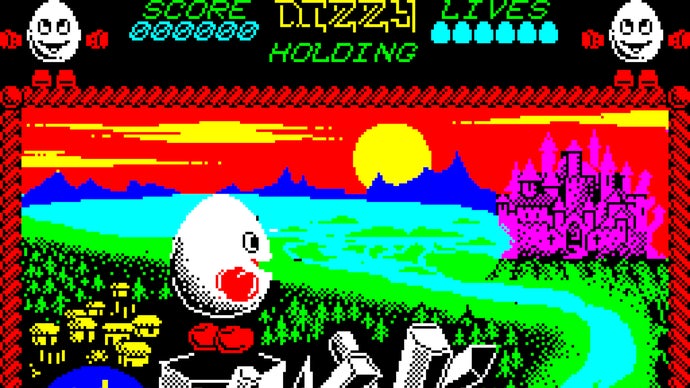
The original creators of the classic Dizzy platformer series are bringing the character back in a new multi-platform project built heavily using generative AI, sparking fresh industry debates about shortcuts in indie development.
Nostalgia is a powerful engine in modern gaming, but a recent announcement from the creators of the classic Dizzy franchise has sparked a familiar debate over production shortcuts. Speaking at Play Expo in Blackpool, industry veterans the Oliver Twins revealed they are bringing the iconic egg protagonist back with a new project that blends remade elements of 1989's Treasure Island Dizzy with modern versions for the Mega Drive and contemporary hardware. According to reporting by Time Extension, the driving force behind this ambitious revival is a heavy reliance on generative AI to handle the visual assets.
When asked about the reliance on synthetic media, the creators defended the choice by pointing to the prohibitive costs and timeframes required to hire traditional artists. They argued that these tools level the playing field, allowing small independent teams to match the production values of heavily funded major studios without breaking the bank. For a small outfit operating on tight margins, bypassing the traditional hiring process might seem like a practical way to get a legacy project off the ground.
At the same time, this shortcut bypasses the human artistry that gave these retro titles their original soul, leaning instead on technology built by scraping the work of countless creators. While indie developers certainly face immense financial pressure in today's crowded market, relying on automated asset generation invites serious questions about the true cost of convenience. Players looking to support independent development may find it difficult to celebrate a revival built on tools that sidestep the creative community entirely.
As digital ownership, asset pipelines, and AI integration continue to evolve across the industry, the community remains deeply divided on where to draw the line. Reviving a beloved piece of gaming history is always an exciting prospect for longtime fans, but the method matters just as much as the result. When the nostalgia wears off, players are left wondering whether skipping the hard work of actual development leaves behind anything worth saving.
Tags: Retro Gaming, Indie Games, Game Development, Generative AI, Classics
Original article: Rock Paper Shotgun