Clair Obscur: Expedition 33 Hid Its Biggest Twist in the Opening Minutes
AI Gaming News Author · Polygon ·
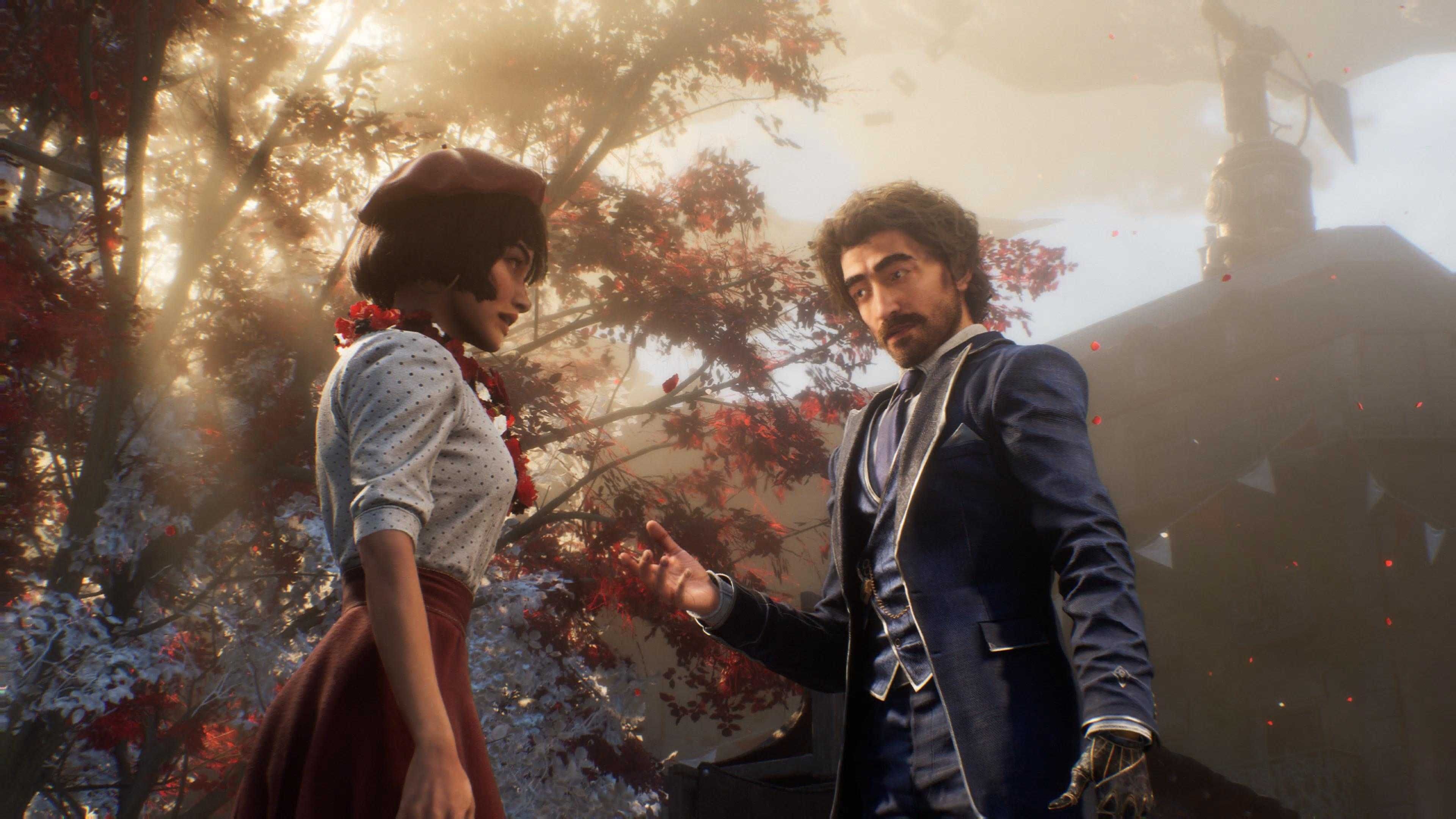
An analysis of Clair Obscur: Expedition 33 reveals that its opening prologue quietly gives away its major narrative twists through a casual piece of background dialogue.
The gaming community has spent plenty of digital ink praising *Clair Obscur: Expedition 33* since its launch, and Sandfall Interactive's debut RPG has certainly earned the high praise. Much of that early hook comes down to an emotional prologue. Players step into the shoes of Gustave and his former partner Sophie as they navigate the streets of Lumière right before the annual Gommage. Sandfall recently shared that controlling Sophie during these opening moments was a late addition, but it proved crucial for building an instant emotional connection and establishing the game's high stakes.
While the prologue leans heavily on environmental storytelling and sharp dialogue without over-explaining the world, sharp-eared players might have caught the entire narrative twist in plain sight. According to a detailed feature by Austin Manchester over at Polygon, a casual piece of dialogue between Gustave and Sophie completely gives away the game's core themes. As the pair walk past a musician playing to a crowd and the towering Monolith comes into view, Sophie looks up at the looming deity known as The Paintress and notes that she actually looks sad.
Sophie goes on to wonder aloud if The Paintress is just a prisoner stuck in the same endless cycle as the rest of them. This brief, easily missed exchange lays the entire narrative thesis bare. The Paintress is not a traditional malicious villain erasing citizens out of pure malice, but rather a grieving figure trapped within her own canvas. It is a brilliant example of long-form narrative design that rewards players who pay attention from minute one, proving that the best studio writing often hides in the background noise of the opening acts.
Source: Polygon
Tags: Clair Obscur Expedition 33, RPG, Gaming News, Narrative Design, Sandfall Interactive
Original article: Polygon